


8 Fast Nanoplasty Facts You Need to Know Now
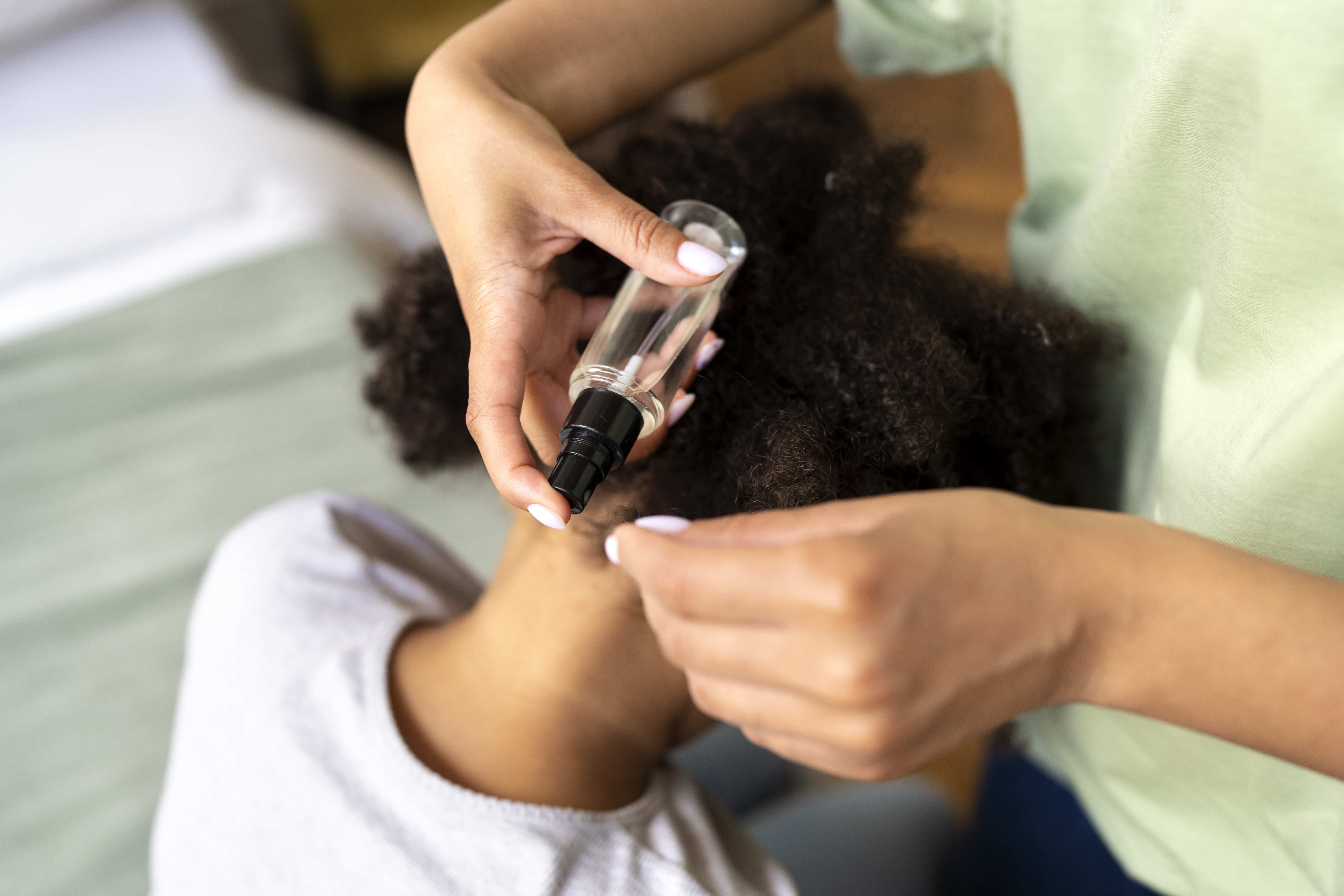
Thinking about nanoplasty but not sure if it is worth it? The question many people ask is: is nanoplasty good for your hair, or will it just cause more damage in the long run?
In simple terms, nanoplasty can be a gentler option than some older straightening treatments, but it still needs the right care, the right products and the right expectations.
Here are eight key facts to help you decide if hair nanoplasty is right for you.
What Nanoplasty Actually Is
Nanoplasty is a smoothing treatment that uses amino acids and other active ingredients to relax the hair structure and reduce frizz.
It sits in the same general family as keratin treatments and other straightening treatments, but the formula is usually designed to be formaldehyde free and less harsh on the hair shaft.
The goal is not just pin-straight hair. Most nanoplasty products aim for smoother, softer hair that is easier to style, with reduced bulk and frizz. You can still wear your hair wavy if you want, but styling time is often shorter.
How Does Nano Hair Straightening Work?
Nano hair straightening uses a mix of amino acids, organic acids and smoothing agents that penetrate into the hair shaft when heat is applied. The stylist applies the product, lets it process, then uses a straightening iron to seal it in.
This process helps reshape the bonds in the hair in a more controlled, gentle way compared to some older chemical relaxers that use very harsh chemicals. The result is softer, smoother hair that can look more polished with less effort.
How Does Nanoplasty Compare To Traditional Keratin Treatments?
Nanoplasty often gets compared to keratin treatments because both aim for smoother, frizz free hair. The key difference is that many modern nanoplasty formulas are formaldehyde free or use very low levels of harsh preservatives, while some traditional keratin treatments have been known to release formaldehyde fumes when heat is applied.
If you are weighing up options, it can help to understand the pros and cons of each. Our blog post “Are keratin treatments bad for you?” explains safety concerns and how to choose safer straightening treatments.
Which Hair Types Suit Nanoplasty Best?
Nanoplasty works best on certain hair types and conditions. It is often a good fit if you have:
- Wavy or curly hair that is frizzy and hard to manage
- Thick hair that feels too puffy in humidity
- Slightly damaged hair from colouring or heat, but not severely broken
If your hair is very fragile, over-bleached or breaking, even a gentler nano therapy for hair might still be too much. In those cases, a stylist may suggest repairing treatments first and delaying any strong smoothing treatment.
Does Nanoplasty Damage Your Hair?
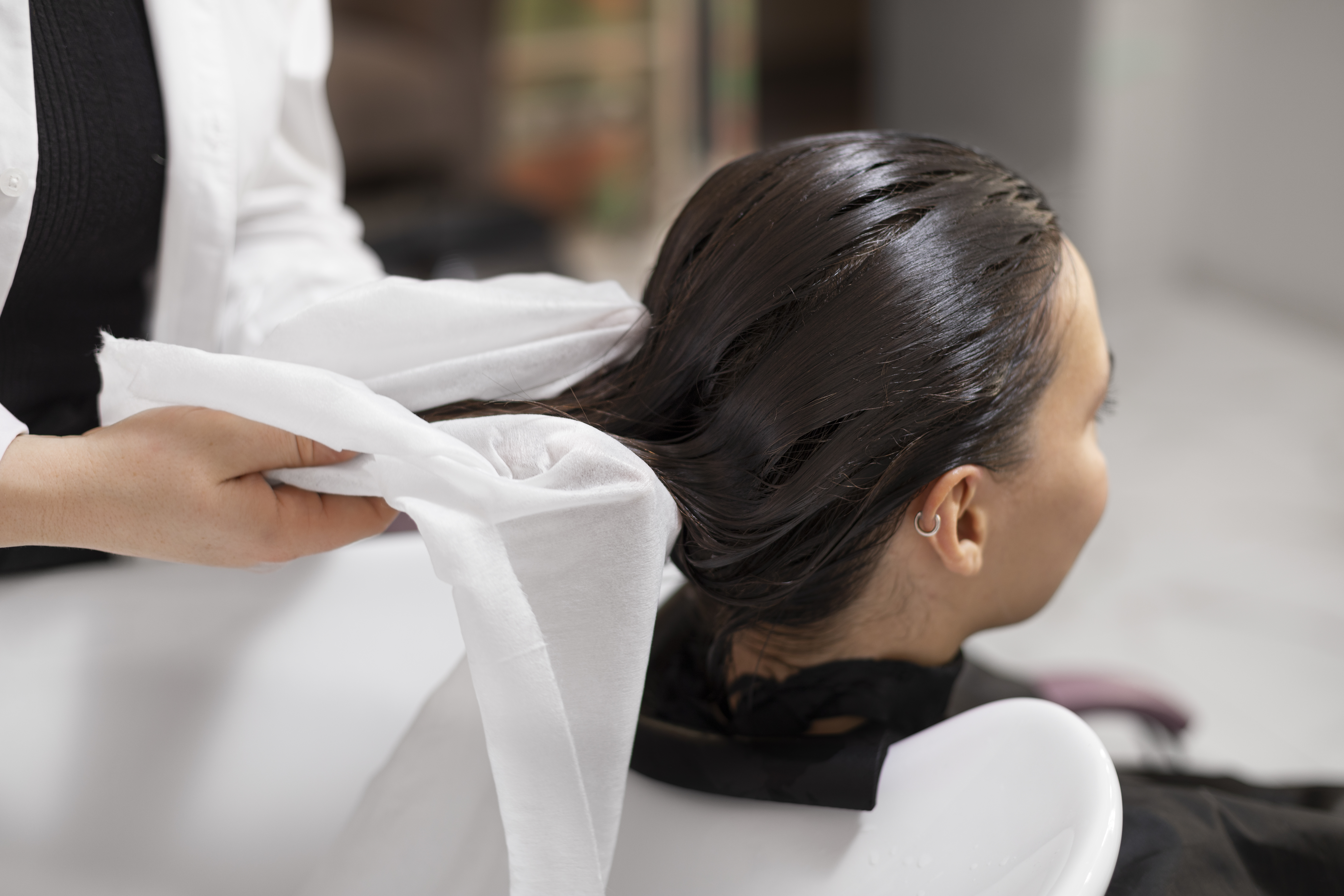
Any process that changes the internal structure of the hair carries some risk. Nanoplasty is usually designed to be less aggressive and to avoid the high levels of harsh chemicals seen in some older straightening systems. Still, using heat to seal the product means there can be some stress on the hair.
So, can it damage your hair? It can, if it is done on very compromised hair, processed too often, or not looked after properly at home. This is why a thorough consult is important, especially if you are already worried about damaged hair or have a history of breakage.
How Should You Care For Your Hair After Nanoplasty?
What you do after the service makes a huge difference to how long the results last and how healthy your hair feels. After washing your hair for the first time post-treatment, you will want to keep your routine gentle and simple.
Two big rules help:
- Use sulfate free shampoos to avoid stripping the smoothing layer too quickly
- Pair them with suitable conditioners and occasional masks for moisture
If you need help choosing products, the guide “Best shampoo for keratin treated hair” is also very useful for nanoplasty, since the same sulfate free shampoos and conditioners work well for both:
You should also use a heat protectant whenever you blow-dry or iron your hair. This protects the hair shaft and supports the results of your smoothing treatment.
What Can You Expect From Your Hair After Nanoplasty?
Right after nanoplasty, your hair will usually feel smoother, shinier and easier to detangle. Many people find that their natural texture is more relaxed, but not completely straight, especially if they had strong curls or waves to begin with.
Over the following weeks and months, the effect slowly softens. How long it lasts depends on:
- Your natural hair type and curl pattern
- How often you wash your hair
- The products you use
- How much heat styling you do
This is why aftercare matters. Our blog post “Keratin treatment aftercare: 10 golden rules” offers tips that crossover well to nanoplasty, including how often to wash and how to protect the hair at night:
With good care, many people enjoy the benefits of hair straightening and frizz control from nanoplasty for a few months before needing a refresh.
How Do You Choose The Right Salon for Nanoplasty?
Nanoplasty is not a basic service. It needs a trained stylist who understands different hair types, how to assess damage and how to adjust processing time. A proper consultation should include a chat about your colour history, current condition and your expectations.
If you are still on the fence between nanoplasty and regular keratin treatments, learn what dedicated keratin treatment service actually includes, and how salons handle smoothing in general.
In Conclusion
Nanoplasty can be a good option if you want smoother, frizz free hair without some of the harsher ingredients found in older straightening systems. It still needs respect, though, because any smoothing treatment can damage your hair if your hair is already very weak or if aftercare is ignored.
If you are ready to see if nanoplasty is right for you, talking to a stylist who understands both nanoplasty and keratin-style smoothing is a smart first step. To chat with a curl and smoothing friendly team, book your nanoplasty or straightening consult today!