





How To Manage Frizzy Hair: Treatments And Styling Tips

Frizzy hair can feel like it has a mind of its own, especially in humid Australian weather,So, how do you treat frizzy hair in a way that actually works and fits into real life?
Frizz is not just about looks. It often means your hair is dry, stressed, or missing some basic care it needs.
This blog post keeps things simple. You will see what causes frizz, how to look after your hair day to day, and which treatments and styling tips actually help. The goal is not “perfect hair”. It is healthier hair that behaves better and feels good to touch.
What Actually Causes Frizzy Hair?
Frizz usually comes down to one main thing: lack of moisture in the hair. When hair is dry, the outer layer lifts and lets humidity in, which makes strands swell and stick out. That is when frizz shows up.
A few common causes are:
- Heat damage from blow dryers, straighteners, and curling irons without proper care
- Chemical services like bleaching, colouring, or straightening
- Using harsh shampoos that strip natural oils
- Rubbing hair with a towel or brushing it when it is dry
- Humid climates, like many parts of Australia, that make the hair shaft swell
When the outer layer lifts, it stops doing its job to smooth the hair cuticle. Over time this can lead to brittle hair, split ends, and more frizz.
Start With Gentle Washing Habits
How you wash and rinse your hair has a big impact on frizz. A few small changes can help protect your hair and keep more moisture locked in.
- Use a gentle, sulphate free shampoo if you can, especially if you already have dry hair
- Focus shampoo on your scalp, not your ends, so you avoid damaging the hair cuticles
- Always rinse your hair with lukewarm or cool water, not hot, as hot water can dry it out and roughen the cuticle
- Finish with conditioner from mid lengths to ends to protect the hair shaft and add slip
Try not to wash every day if your hair does not need it. Washing too often can strip natural oils that protect your hair and help prevent frizzy hair.
Conditioner, Masks And Leave In Care
If you want the best remedy for frizzy hair, you need regular moisture and a bit of patience. There is no instant magic, but consistent care makes a big difference.
Here are some simple steps:
- Use a hydrating conditioner every wash and leave it in for a few minutes
- Add a weekly or fortnightly hair mask for extra moisture and repair
- Choose masks with ingredients like oils, butters, or proteins that support hair health and strengthen the hair shaft
- Try a lightweight leave in cream or serum that anti frizz and smoothing formulas offer to seal the cuticle and reduce frizz
A good hair mask can be one of the best cure for frizzy hair over time, because it helps fill in weak spots and smooth out rough areas that catch humidity.
If you want more ideas on products and simple frizzy hair treatment options, you can read this helpful guide: Top 5 Best Solution for Frizzy Hair
Towel Drying And Brushing The Right Way
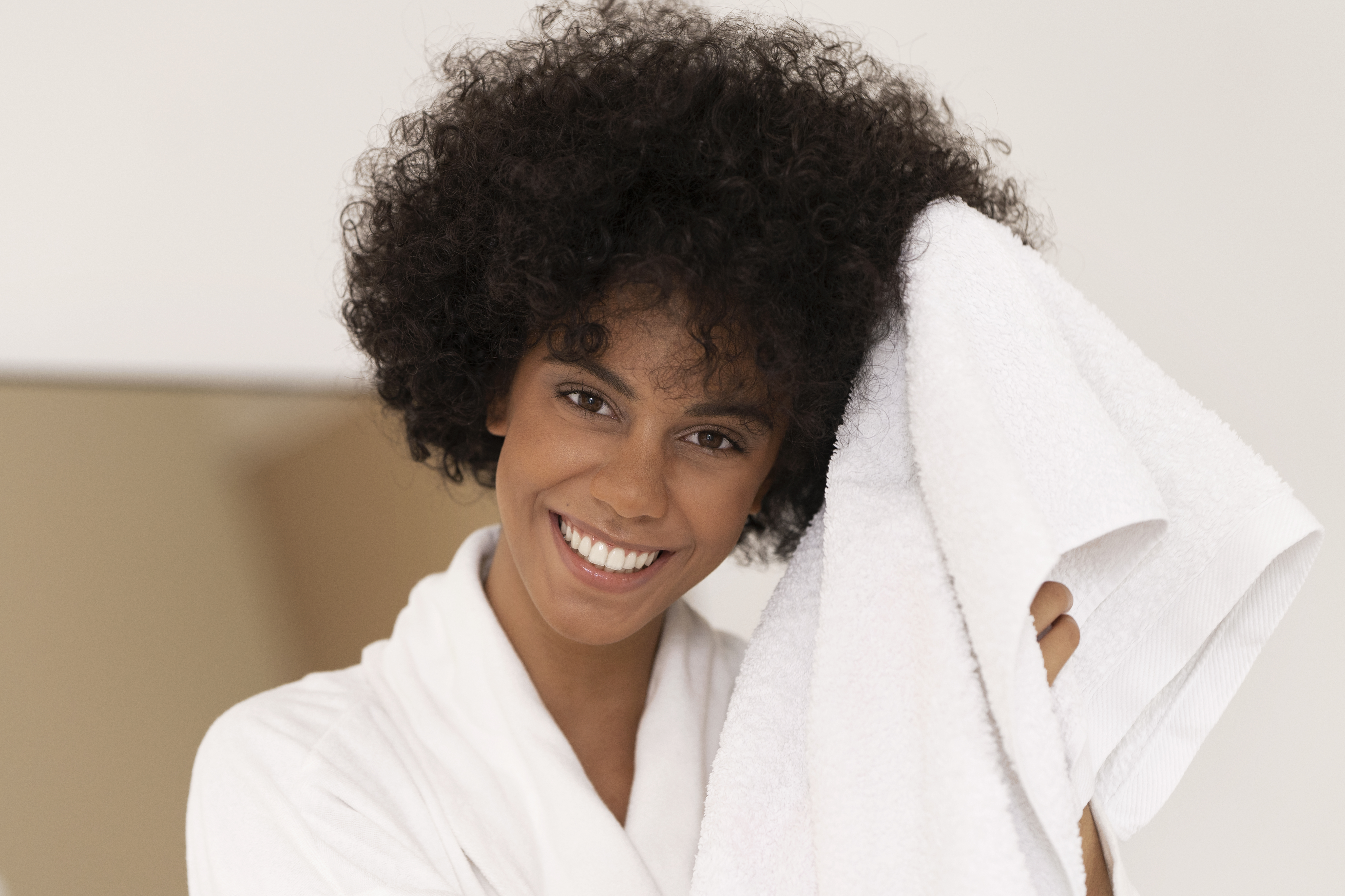
Frizz often starts the moment your hair starts to dry. Rough towel drying and harsh brushing can lift the cuticle and create frizz before you even style.
Try these habits:
- Gently squeeze out water instead of rubbing with a cotton towel
- Use a microfibre towel or a soft old t shirt to reduce friction
- Comb or detangle on damp hair, starting from the ends and working up
- Use a wide tooth comb or detangling brush, not a fine comb, to avoid snapping and damaging the hair cuticles
If your hair is curly or wavy, avoid brushing it when dry. This can separate the curls, create fluff, and make frizz much worse.
Heat Styling Without Destroying Your Hair
Heat styling is not the enemy by itself, but using high heat too often or without protection is a problem. It breaks down proteins and lifts the cuticle, leading to more frizz and heat damage over time.
To protect your hair while still using styling tools:
- Always apply a heat protectant on damp hair before you blow dry or straighten
- Keep your dryer or iron on the lowest heat that still gives results
- Do not pass a straightener over the same section again and again
- Give your hair regular breaks from hot tools to help maintain hair health
A heat protectant creates a light barrier that protects hair from high temperatures and helps smooth the hair cuticle so it lies flatter. This is a key part of any frizzy hair treatment routine if you like polished styles.
If you want a detailed, practical guide on blow drying techniques, this article is useful: How To Blow Dry Your Hair Straight Without Frizz.
Styling Tips To Reduce Frizz
Once your basic care is in place, styling becomes much easier. The aim is to reduce friction, seal the cuticle, and protect your hair from moisture in the air.
A few styling tips:
- Work with damp hair, not soaking wet and not bone dry
- Apply a smoothing cream, serum, or oil that protects hair and adds slip
- If you blow dry, use a nozzle attachment and aim airflow down the hair shaft to smooth the hair cuticle
- For curls, use a diffuser and avoid touching your hair too much while it dries to reduce frizz
Choose hair care products that match your hair type. Fine hair usually needs lighter creams and sprays. Thick or curly hair may need richer creams and oils to keep frizz under control.
For a professional finish, a salon Haircut & Blow Wave Service can help reset your shape and remove dry, frayed ends that tend to frizz.
Everyday Habits That Protect Your Hair
Frizz control is not only about what you do in the bathroom. Daily habits matter too. Small changes can protect your hair all week.
Some ideas:
- Sleep on a silk or satin pillowcase to reduce friction while you move at night
- Tie your hair loosely in a soft scrunchie or braid to prevent tangles
- Avoid tight hairstyles that put stress on the hair shaft and lead to breakage
- Use a hat or UV protecting spray if you are in strong sun a lot, which is common across Australia
All these things help protect your hair from extra stress. Less breakage and dryness means less frizz.
Ingredients To Look For In Anti Frizz Products
When you buy anti-frizz hair care products, it helps to know what to check on the label. You do not need everything, but a few types of ingredients are handy.
Common helpful ingredients include:
- Silicones like dimethicone that coat the hair lightly and reduce friction and frizz
- Oils such as argan, coconut, or jojoba that add shine and help seal moisture in
- Humectants like glycerin that help hair hold on to water, though they can be tricky in very humid weather
- Proteins that strengthen weak or brittle hair and help it feel smoother
If your hair is very fine, use lighter formulas so your hair does not look flat. If your hair is thick or curly, richer creams and masks may work better to reduce frizz and keep your style in place.
When To Get Professional Help
Sometimes frizz is more than just a bit of dryness. If your hair feels rough from roots to ends, snaps easily, or never seems to improve, you might be dealing with serious damage.
A stylist can:
- Check how damaged your hair is
- Trim off split or burnt ends
- Suggest a personalised frizzy hair treatment plan, such as salon masks or bond repair services
- Recommend styles and cuts that help your hair sit better with less effort
Getting a professional view can save you time and help you avoid products or habits that are making things worse.
In Conclusion
Frizzy hair is not a life sentence. With gentle washing, regular moisture, and a bit of care around heat and styling, you can slowly improve how your hair looks and feels. All you need is consistency and choosing habits and hair care products that protect your hair instead of stressing it.
If you are ready for personalised help with your frizz, you can book a professional smoothing and styling service with Intaglio Hair. Use this link to schedule your visit: Book your frizz control and styling session .