






Top Signs Your Hair Needs a Professional Repair Treatment
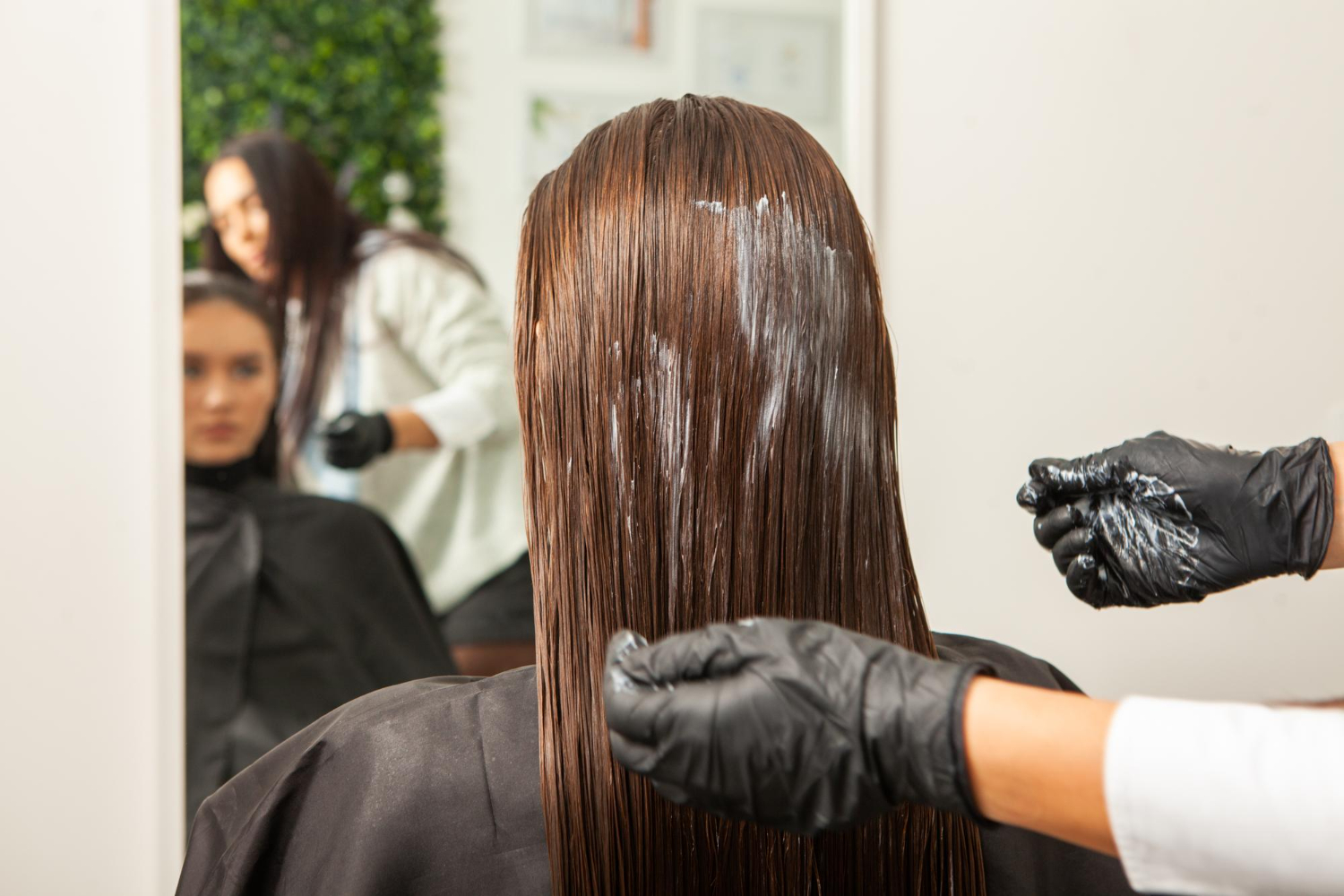
A hair repair treatment can help when your hair no longer feels like itself. It may feel rough, tangle easily, look dull or snap when you brush it. These signs often point to damage in the hair fibre, and while home care can help, some concerns need a professional assessment and a more targeted treatment.
Hair goes through a lot in everyday life. Heat styling, colouring, bleaching, sun exposure, pool water and rough brushing can all affect its condition. The earlier you spot the signs of damage, the easier it is to adjust your routine and protect the length you still have.
Your Hair Feels Dry All The Time
Dryness is one of the most common signs of hair damage. You might use conditioner, oils or a hair mask, yet your hair still feels rough shortly after washing. This can happen when the protective outer layer of the hair becomes worn down.
The outer layer is called the cuticle. When it lies flat, hair tends to feel smoother and reflect more light. When it is lifted or damaged, moisture escapes more easily. Hair can then feel dry or look frizzy and become harder to style.
A mask can improve softness for a while, but it may not be enough if your hair is very dry or chemically processed. A salon treatment can help assess whether your hair needs moisture and protein support or a gentler approach to styling. Using the wrong treatment too often can also leave hair feeling stiff or weighed down.
You Are Seeing More Breakage
Hair shedding and hair breakage are not the same thing. Shedding happens when a full strand falls from the root, often with a small white bulb at one end. Breakage happens when the hair snaps somewhere along the strand.
Broken hair can show up as shorter pieces around the crown, hairline or ends. You may notice flyaways that do not settle and uneven length or more hair in your brush. Hair that is prone to breakage often feels weak when wet and may stretch too far before snapping.
A professional can help identify where the problem is happening. If the breakage is mainly through your lengths, it may be linked to bleaching, heat styling, tight hairstyles or repeated colour overlap.
If you are concerned about excessive shedding, it is worth understanding the difference between breakage and hair loss. How to Address Hair Breakage and Hair Loss explains why these concerns need different approaches.
Your Ends Split And Tangle Easily
Split ends are not just a cosmetic issue. Once a strand splits, the damage can travel upwards and cause the hair to break higher along the hair shaft. You may notice your ends catching on a comb and knotting quickly or looking thin compared with the rest of your hair.
No product can permanently seal a split end. Some products can make it look smoother until your next wash, but trimming is the only reliable way to remove the damaged section. If you keep avoiding trims, your hair may continue to break and make it harder to retain length.
A repair service can support the hair that remains after a trim. It will not replace lost length, but it can improve how the hair feels and behaves while you grow it out. This is especially useful if your ends have been through repeated colour services or daily heat styling.
Bleached Hair Feels Stretchy Or Weak

Bleached hair can look beautiful, but lightening removes natural pigment through a chemical process. It can also affect the structure of the strand, particularly if the hair has been lightened more than once or lifted quickly.
One warning sign is hair that feels overly stretchy when wet. Healthy hair has a little natural elasticity, but it should return to shape without breaking. If wet hair stretches, feels gummy or snaps easily, it may need professional attention.
People searching for how to repair bleached damaged hair often want a quick fix. The truth is that severe bleach damage cannot be fully reversed. But you can improve the feel of the hair, reduce future breakage and make a plan that protects what is left. How to Fix Damaged Bleached Hair outlines practical ways to support lightened hair and avoid further stress.
Your Colour Fades Or Looks Uneven
Colour fading is normal, especially with reds, coppers and fashion shades. But very fast fading can also suggest that your hair is porous. Porous hair absorbs pigment quickly, then releases it just as quickly when you wash it.
You may also notice darker patches, lighter ends or colour that looks dull only weeks after your appointment. This is common with treated hair, especially when the hair has a mix of old colour, highlights and previous bleach underneath.
A salon repair treatment can help improve the condition of the hair before your next colour service. It may help colour apply more evenly and leave the surface looking smoother. Your stylist can also recommend colour-friendly hair products that suit your texture, wash routine and current level of damage.
Your Blow Dry Does Not Last
If your usual blow dry no longer looks smooth or lasts only a few hours, your hair may be telling you something. Damaged hair often has a rougher surface, which makes it more likely to absorb moisture from the air and become frizzy.
You may find that your hair feels fluffy after drying, even with a brush and smoothing products. Or it may look flat at the roots but dry at the ends. These changes can be linked to heat exposure, colour processing or a lack of moisture balance.
Try lowering the temperature of your hair dryer and using heat protection every time you style. Hold the dryer a short distance away from your hair rather than pressing it directly against the strands. These small changes can help protect hair while you work on improving its condition.
Your Routine Is No Longer Enough
A good hair care routine should make your hair easier to manage over time. If you are following one but your hair still feels worse, it may be time to reassess the products and techniques you use.
Not every product works for every person. Fine hair may become flat under rich masks and oils. Thick, curly or coarse hair may need more moisture and slip to prevent tangles. Different hair types need different levels of cleansing, conditioning and treatment.
A leave in treatment can be useful for dry or textured hair because it adds moisture and helps reduce friction during brushing. But if your hair is heavily damaged, a leave-in product may only support the surface. A professional treatment for damaged hair can address your specific concerns more directly.
You Are Losing Length Despite Growing Hair
Hair grows from the scalp, but you only see length when the ends stay strong enough to remain intact. If you feel like your hair has not grown for months, it may be growing at the roots but breaking through the mid-lengths and ends.
This is common when hair is exposed to frequent bleaching, heat tools, tight ponytails or rough towel drying. The aim is not only to encourage growth. It is also to reduce breakage so the length has a chance to stay.
A hair treatment for damaged strands may include moisture, strengthening ingredients or bond-supporting care, depending on the condition of your hair. Your stylist may also recommend adjusting your colour schedule, using less heat or trimming weak ends gradually.
If your concern is thinning at the scalp rather than breakage through the lengths, a different approach may be needed. Best Hair Regrowth Treatments You Can Book Now can help you understand professional options for hair growth and scalp-focused concerns.
How To Protect Your Hair Between Appointments
Professional care works best when it is supported at home. A few consistent habits can make a noticeable difference to your hair health:
- Use a gentle shampoo and conditioner suited to your hair needs.
- Apply a heat protectant before blow-drying, straightening or curling.
- Avoid brushing wet hair roughly, especially if it is lightened or fragile.
- Use a wide-tooth comb or detangling brush, starting from the ends.
- Limit tight hairstyles that pull on the same area every day.
- Use a nourishing mask when your hair needs extra moisture.
- Schedule trims before split ends travel further up the strand.
- Take breaks between major chemical services when possible.
These steps cannot turn severely damaged hair into completely healthy hair overnight. But they can reduce further stress and support stronger-looking, more manageable hair over time.
In Conclusion
A professional repair treatment may be worth considering when your hair feels dry, breaks easily, tangles constantly or struggles after bleaching and heat styling. The right treatment depends on your hair type, damage level and the services your hair has had in the past. Getting advice early can help protect your hair and make your routine more effective.
Ready to give your hair the care it needs? Book your hair treatment appointment with our hair experts today!