



Nanoplasty for Hair Extensions: The Complete Guide
Nanoplasty has become a popular option in Australia for people who want smoother hair without harsh chemicals. It is now moving into the world of hair extensions too, which is why choosing experienced nanoplasty treatment specialists matters so much.
When you are dealing with both your own hair and extensions, you need a method that is gentle, predictable, and designed with the extra stress on your strands in mind.
This guide walks through what nanoplasty is, how it behaves on extensions, and how it compares with keratin. .
What Nanoplasty Actually Is
Nanoplasty is a smoothing and straightening treatment that uses nano sized particles, amino acids, and organic acids to work inside the hair fiber, rather than just coating the outside. These tiny molecules can penetrate the hair shaft, helping to realign the internal structure and leave hair straighter, shinier, and less frizzy.
Unlike some older straightening systems that relied on strong formaldehyde based formulas, many modern nanoplasty systems use plant based or low toxicity ingredients and focus on repair as well as straightening.
That is a big reason it is often seen as more compatible with coloured hair and extensions, which are already under extra stress.
How Does Nanoplasty Work On Hair
The basic process usually follows a few simple steps, though each brand has its own protocol.
- Hair is cleansed, often with a clarifying shampoo, to remove oils and product buildup so the formula can take properly.
- The nanoplasty solution, rich in amino acids and other nutrients, is applied to the hair from roots to ends or avoiding the bonds if you have extensions.
- Heat is used to activate the formula, usually with a straightening iron at a set temperature, which helps lock the ingredients into the hair.
- Hair is rinsed, dried, and styled to reveal the final result.
Because the particles work inside the hair, nanoplasty can straighten and smooth while also improving elasticity and strength in many cases. Results often last several months if you follow the aftercare instructions, including using the right shampoo and avoiding harsh chemicals.
For more detail on how long results typically last in real life, you can check this breakdown: How Long Does Nanoplasty Last on Hair?.
Nanoplasty On Hair Extensions: Key Things To Know
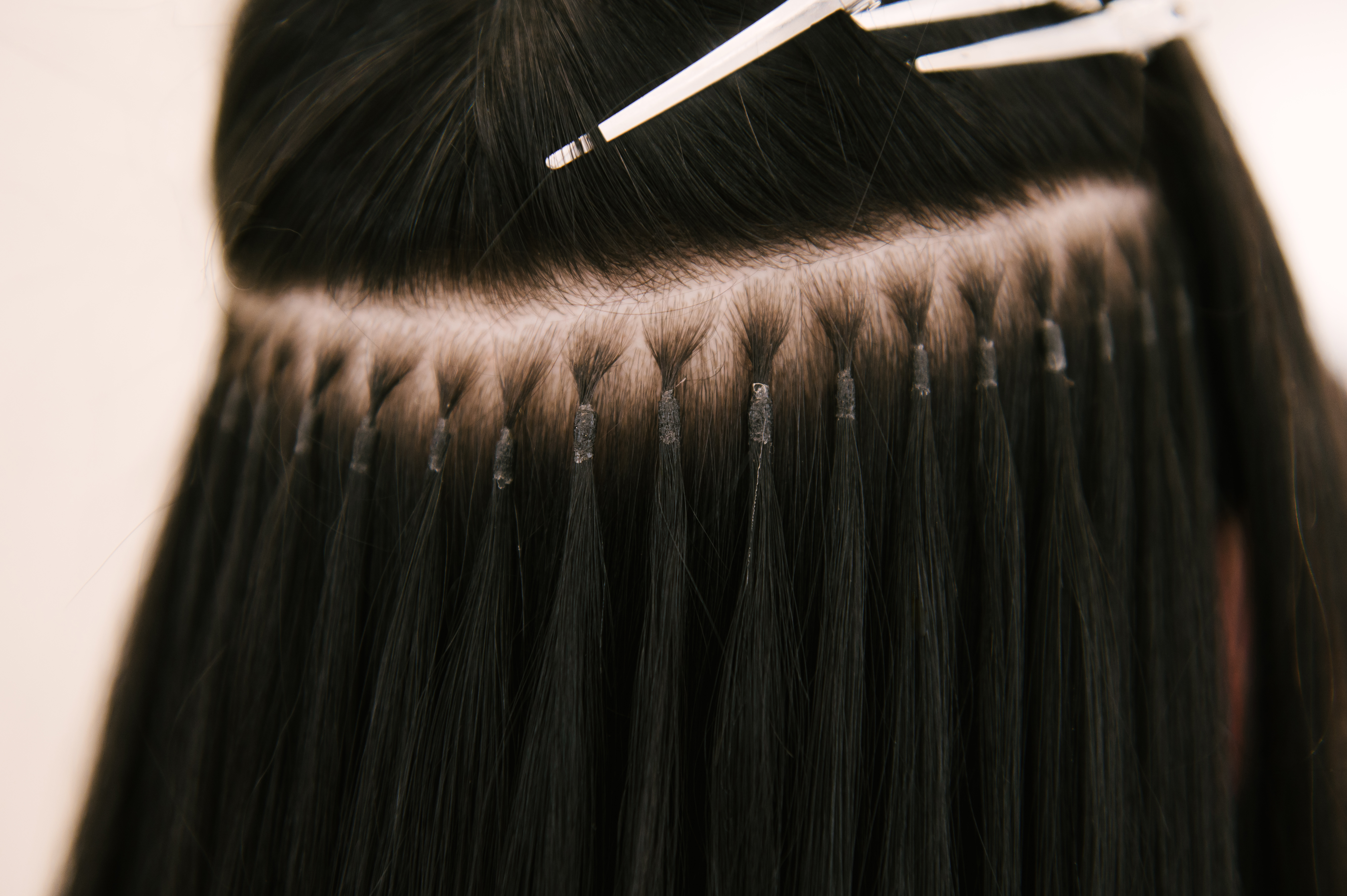
When you bring extensions into the picture, things get more technical. Extensions are already processed hair, and they are attached to your natural hair with bonds, tapes, or wefts that need protecting.
A few important points:
- Not all extensions are suitable for nanoplasty, especially very damaged, poor quality, or synthetic hair.
- The bonds or tapes must be protected from excessive heat and product to avoid slipping or weakening.
- Your stylist may adjust the formula or timing on the extensions compared with your natural hair, because extensions sometimes absorb treatment differently.
This is why it is important to see a salon used to nanoplasty and extensions together, rather than someone just learning the technique. They can assess your hair and extension type and tell you honestly whether it is a good idea.
Benefits Of Nanoplasty For People With Extensions
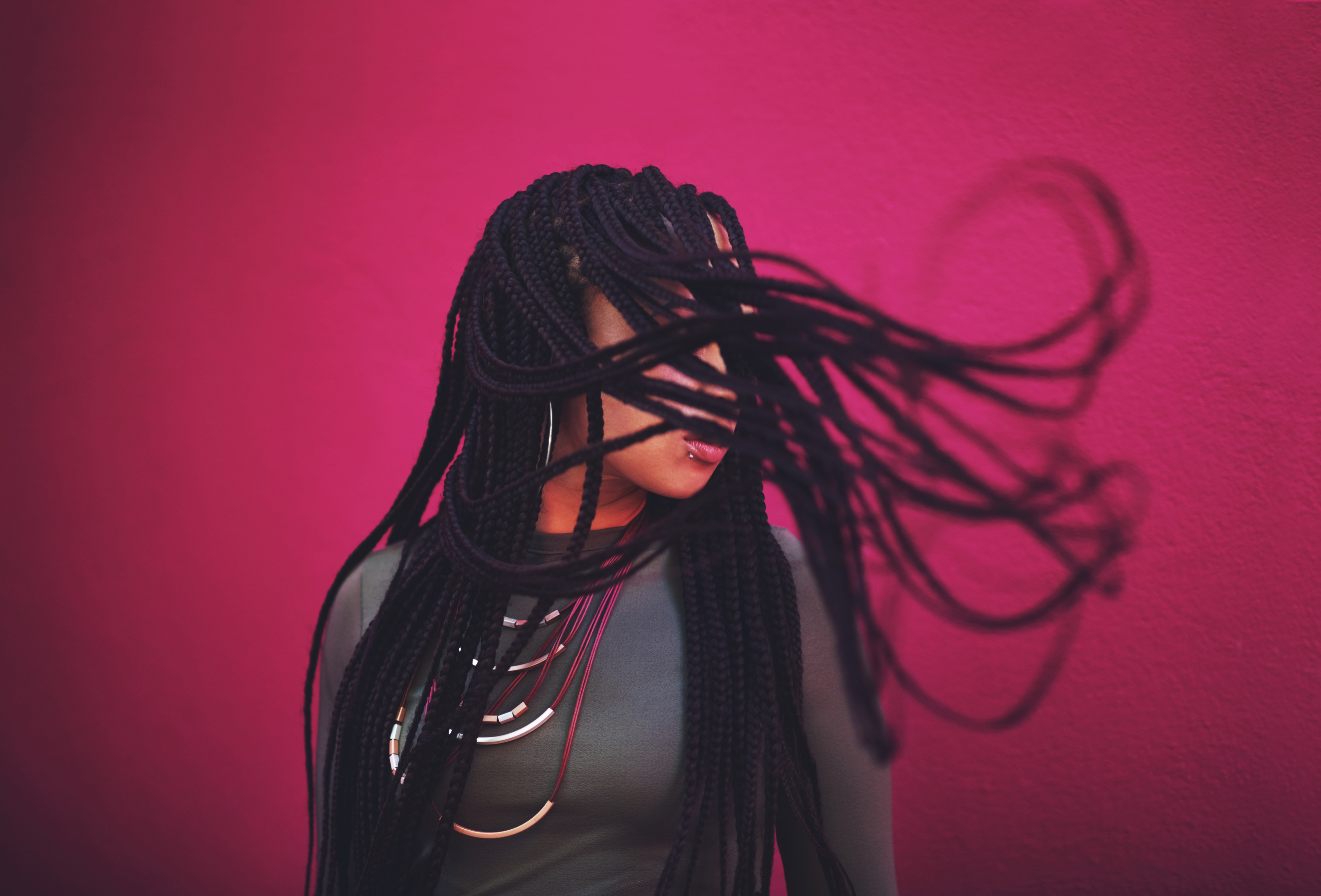
When done correctly, nanoplasty on hair extensions and natural hair can offer a few clear benefits:
- Smoother, straighter finish that makes blending your natural hair with extensions easier day to day.
- Reduced frizz, which is helpful in humid or coastal Australian climates.
- Easier styling, as hair tends to air dry with less puff and needs less time with the straightener or blow dryer.
- Potential strengthening and repair, as many formulas contain amino acids, plant oils, and vitamins.
If you are someone who spends a lot of time styling your hair to make your extensions blend, nanoplasty can cut down that effort and help your hair sit more smoothly around the bonds.
Nanoplasty Vs Keratin Treatment: What Is The Difference?
Nanoplasty and keratin treatments are both smoothing options, but they work in slightly different ways.
- Nanoplasty uses nano sized particles and organic acids that go inside the hair fibre to restructure it and provide longer lasting straightening.
- Keratin treatments generally coat the outside of the hair with a keratin based layer that smooths the cuticle, reduces frizz, and adds shine for a few months.
- Nanoplasty formulas are often marketed as more natural and free from formaldehyde, while some keratin systems still rely on chemical activation.
- Many nanoplasty systems allow you to wash and style your hair almost straight away, whereas keratin treatments often require a waiting period of up to three days with no washing or tying hair back.
In short, nanoplasty is more about restructuring and longer lasting straightening, while keratin is more about surface smoothing and shorter term frizz control. Both can work with extensions, but your stylist will consider your hair type, extension method, and lifestyle.
If you are curious about keratin itself as a separate option, you can read more here: Keratin Treatment Service.
Is Nanoplasty Safe For All Hair Types?
Nanoplasty is usually promoted as suitable for most hair types, including coloured, bleached, or chemically treated hair. However, that does not mean it is perfect for every situation.
Keep in mind:
- Very damaged, thin, or heavily lightened hair may not be strong enough for intensive straightening treatments, including nanoplasty.
- A proper consultation and strand test can help a stylist see how your hair and extensions react before committing to a full head.
- Afro or very tightly curled hair can be straightened with nanoplasty, but the process may be more intense and should only be done by someone experienced with that hair type.
If your hair or extensions are already fragile, your stylist might suggest repairing and strengthening first, or they may recommend a gentler smoothing option instead.
Aftercare When You Have Extensions
Once your nanoplasty is done, taking care of your hair properly will help keep it smooth and protect both your natural hair and extension bonds.
General aftercare tips:
- Use a sulphate free shampoo and gentle conditioner that will not strip the treatment.
- Avoid high heat near the extension bonds, even though the lengths of your hair will now handle styling more easily.
- Brush gently with an extension friendly brush, starting from the ends and working upwards.
- Follow any specific rules your stylist gives you about swimming, salt water, and chlorine, which can affect both nanoplasty and extension adhesive.
Most people can expect several months of smoother hair if they keep up with good home care and avoid harsh products.
How Long Results Last With Extensions
The lifespan of nanoplasty on hair that has extensions can vary, but many people see results for around five to six months, sometimes longer, depending on the formula used and how quickly their hair grows. With extensions, you also need to factor in your regular move up or replacement schedule.
Because extensions are not attached to your scalp, they do not get the same natural oils and may feel dryer over time. A good stylist will balance the strength of the nanoplasty formula so the extensions stay smooth without becoming brittle.
Choosing Nanoplasty Treatment Specialists
If you are thinking about nanoplasty for hair extensions in Australia, the main thing is to choose people who do this kind of work often, not just occasionally. There are salons in Sydney, Melbourne, the Gold Coast and other areas that focus heavily on nanoplasty services and training.
When you pick a salon, look for:
- Clear before and after photos of nanoplasty on hair similar to yours, ideally with extensions.
- Honest consultations that include a hair and extension assessment, not just a quick quote.
- A clear explanation on: how does nanoplasty work , what you can expect on your hair type, and what aftercare will involve.
A good stylist will also talk you through nanoplasty vs keratin treatment for your specific hair, instead of pushing one option for everyone.
In Conclusion
Nanoplasty can be a strong option if you wear hair extensions and want smoother, straighter, lower maintenance hair without harsh chemical straightening.
Because extensions add another layer of complexity, it is important to work with nanoplasty treatment specialists who understand both the science of the product and the practical care of bonds and wefts.
If you would like personalised advice on nanoplasty, keratin, or other smoothing options for your extensions, you can book a professional consultation. Use this link to schedule your visit: Book your nanoplasty or smoothing session today!