


Nanoplastia for All Hair Types: Can It Work for Your Hair?

If you have ever asked yourself “is nanoplasty good for your hair,” you are in good company! Many people in Australia are curious about this newer straightening option and how it compares to keratin treatments and other chemical treatments they may have tried before. Let’s discuss it!
What Is Nanoplastia, In Simple Terms?
Nanoplastia, or nanoplasty, is a hair straightening and smoothing treatment that works by using organic acids, amino acids and nourishing oils to restructure the hair from the inside. It aims to reduce frizz by smoothing the hair shaft and making styling easier while keeping the formula formaldehyde free and low in harsh chemicals.
Unlike older straightening treatments that relied heavily on strong chemical bonds, nanoplastic hair treatment focuses on repairing and aligning the hair fibre rather than just coating the surface. Heat from flat ironing is still part of the process, but the idea is that the ingredients are gentler on both the hair and sensitive skin on the scalp.
How Does Nanoplastia Work On Different Hair Types?
Nanoplastia is often described as suitable for all hair types, including fine, wavy, curly, coarse and previously coloured hair. In practice, the result depends on your natural hair type, past chemical history and how your stylist adjusts the temperature and number of passes during flat ironing.
For fine or medium hair, fewer passes at a lower temperature are usually enough to smooth the cuticle and reduce frizz without damaging your hair. Coarse or very curly hair may need more passes and slightly higher heat to achieve stronger hair straightening, sometimes up to almost fully straight results.
Nanoplastia vs Keratin Treatments
Many Australians compare nanoplastia treatment with classic keratin treatments, as both promise smoother, shinier hair and less frizz. Keratin treatments work mainly by coating the hair with a protein-rich formula that can include aldehydes, sometimes including or replacing formaldehyde, to lock in results for several months.
Nanoplastia, on the other hand, focuses on organic acids and amino acids to realign the hair from within, with formaldehyde free formulas that aim to be gentler on scalp and lungs.
If you are curious about more traditional smoothing, you might also check our keratin treatment service page, which outlines what to expect from modern keratin services.
Does Nanoplastia Damage Hair?
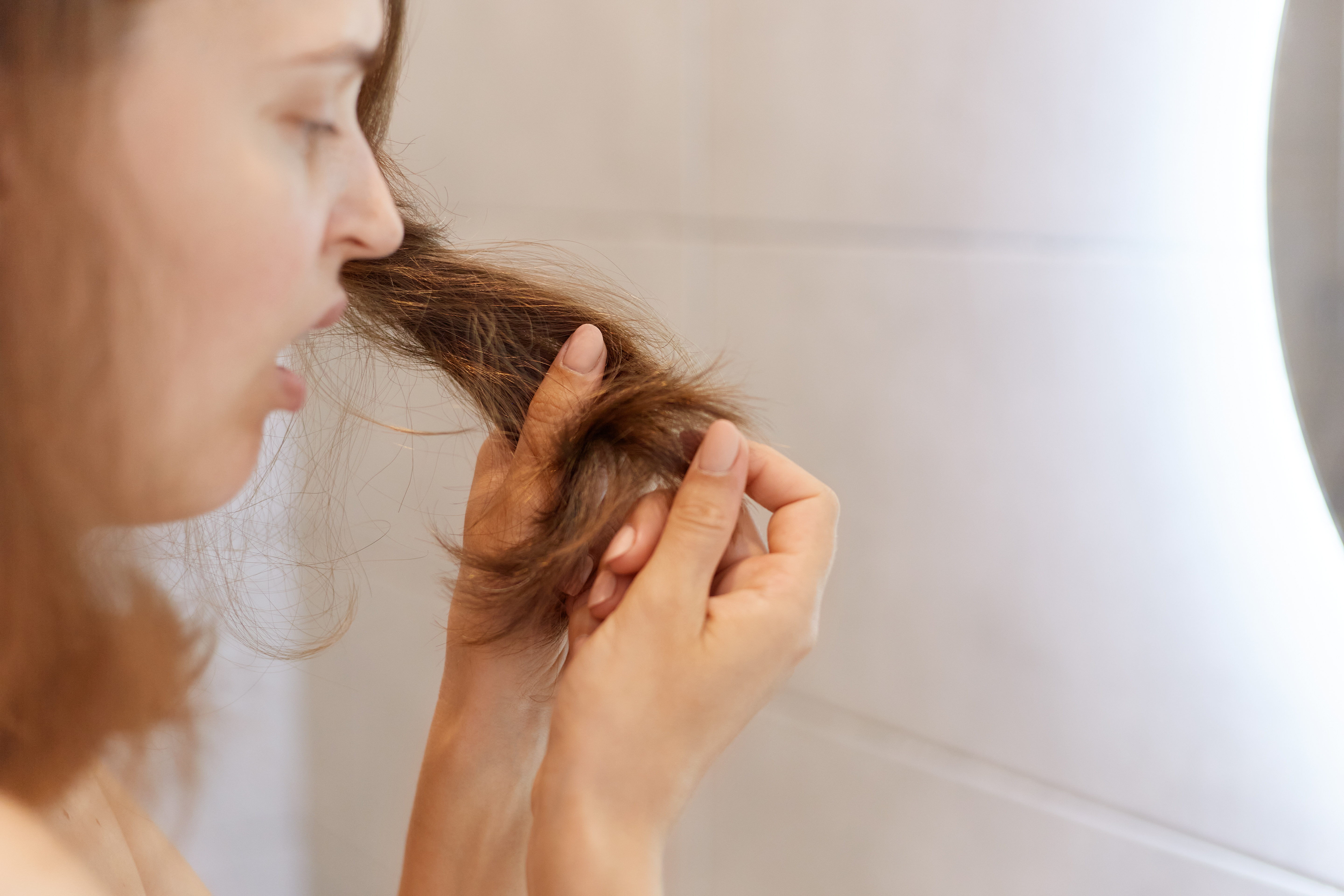
A common worry is: does nanoplastia damage hair, especially in the long term. The honest answer is that any straightening treatment carries some risk, and nanoplastia is no different. The main risk comes from incorrect use, such as leaving product on too long or using flat ironing temperatures that are too high for your hair type.
Reports on nanoplastia hair treatment side effects mention that excessive heat or poor technique can still lead to damaged hair, breakage or dryness. People with very fragile or heavily bleached hair need extra care, and it is smart to have a thorough consultation and strand test before committing to a full treatment.
What Are The Side Effects And Risks?
Most people tolerate nanoplastia well, but some side effects can occur. Nanoplastia hair treatment side effects can include temporary scalp irritation, dryness, or increased sensitivity if you already have reactive or sensitive skin. This is why patch testing and honest discussion about your medical and hair history are important before treatment.
There is also the general risk of damaging your hair if you combine too many chemical treatments in a short period, such as bleaching, colouring and strong straightening treatments back to back.
Your stylist should ask about your hair’s past to decide whether nanoplastia products are appropriate, or whether a lighter smoothing option or a simple conditioning plan might be safer for your treated hair.
Is Nanoplastia Really Formaldehyde Free And “Gentle”?
Many brands now promote nanoplastia as formaldehyde free and vegan friendly, with reduced harsh chemicals. These formulas often rely on organic acids and amino acids to soften and realign the hair fibres, combined with oils and conditioners to keep hair supple.
Even so, “gentle” does not mean risk free. Heat is still used on the hair shaft and, if misused, can cause dryness or breakage over time. Good aftercare with a sulfate free shampoo and regular hydration masks or leave-in treatments helps maintain softness and protect the new structure of the hair.
How Long Does Nanoplastia Last And What About Maintenance?
Depending on brand and technique, nanoplastia results can last around six to eight months, especially on wavy or curly hair that responds well to straightening treatments. Lifestyle also matters. If you swim often, wash your hair daily, or use strong cleansers, the effect may fade more quickly.
To keep your hair looking good, most salons recommend gentle cleansing routines and products designed for treated hair, such as sulfate free shampoo and hydrating conditioners.
For more detail on durability, read our guide: How Long Does Nanoplasty Last On Hair. It explains how hair type, routine and home care influence how long your smooth look will stay.
What Is A Typical Nanoplastia Appointment Like?
A nanoplastia appointment in an Australian salon usually starts with washing your hair with a clarifying or appropriate shampoo, then lightly drying it to prepare for product application. The stylist sections the hair, applies the nanoplasty product evenly, and allows it to rest for a set time based on your hair type and condition.
After the product has done its work, they rinse, blow dry your washed hair until it is fully dry, and then begin flat ironing in small sections to seal the treatment into the hair shaft. The number of passes and temperature are adjusted for fine, medium, coarse or previously chemically treated hair to balance straightening and protection.
If you are curious about current trends and what salons are offering, look at Nano Plastia Hair Treatment Trending in Salons in Australia, which gives an overview of how popular this service has become and what clients are asking for.
Who Is A Good Candidate For Nanoplastia?
Nanoplastia can work well if you have:
- Curly or wavy hair that you often straighten and want lower-maintenance smoothness.
- Frizzy hair that reacts badly to humidity and needs better control.
- Previously coloured or lightly treated hair that still feels strong and can handle some heat.
You might want to skip or delay nanoplastia if your hair is very fragile and badly over-processed, or if your scalp tends to react to many products. In those cases, slow repair with conditioning, protein balance and careful trimming may be safer before you think about new chemical treatments.
So, Is Nanoplastia Good For Your Hair?
Whether nanoplastia is “good” for your hair depends on the health of your hair today, your hair type, and how realistic your expectations are. If done correctly on suitable hair, it can reduce daily heat styling, help you avoid constant flat ironing, and provide smoother results with fewer harsh chemicals than some older systems.
If done without care, or on hair that is already weak, it can add stress and contribute to damaging your hair further, even if the formula is marketed as gentle. The safest way to look at it is as a tool: useful for many people, but not right for everyone, and best used with good professional guidance and sensible aftercare.
In Conclusion
Nanoplastia offers a formaldehyde free option for strong hair straightening while using organic acids and amino acids to work inside the hair fibre. It can suit a wide range of hair types when applied by an experienced stylist who respects your hair’s limits.
If you are thinking about nanoplastia and want personalised advice for your hair type, you can book a consultation and Nanoplastia service. This lets a stylist look closely at your hair and talk through whether this treatment is the right step for you.
Ready to see if nanoplastia suits your hair? Book your nanoplastia hair treatment with our experts today!