






Ways To Make Your Hair Grow Faster
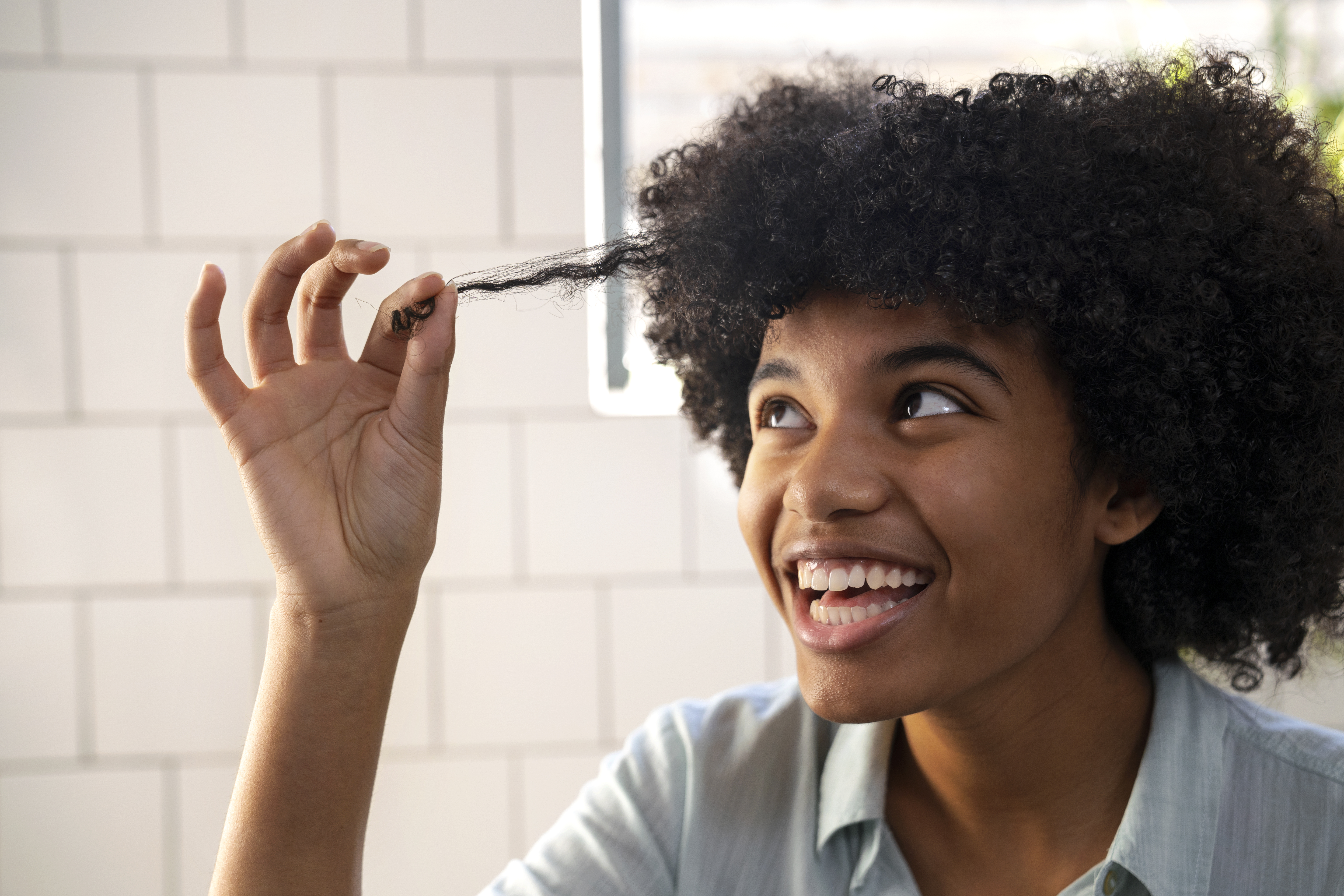
Wanting longer, thicker hair is normal, but it can be confusing to figure out how to help hair grow in a way that is realistic and actually works. A lot of “miracle” products promise instant results, but real hair growth is slower and depends on what is happening both inside your body and on your scalp.
The aim is not to force your hair to grow overnight, but to create the best conditions for strong, steady growth over time.
First, Know How Hair Actually Grows
Hair grows from follicles in your scalp, not from the lengths you see in the mirror. Each follicle cycles through three phases: growth, rest, and shedding. On average, hair grows about 1 to 1.5 centimetres per month, although this varies from person to person.
What this means:
- There is a natural limit to how fast your hair can grow.
- The goal is to keep as many follicles as possible in the growth phase and make sure the hair they produce is strong and healthy.
- Damaging your hair faster than it grows (with breakage and split ends) will make it feel like it “never grows”, even if your roots are doing their job.
So when you look for the best for hair growth, think about both the scalp and the lengths. You want to protect what is growing and stop breaking off what you already have.
Support Growth From The Inside
Your hair is made mainly of protein, so your overall health and diet matter. Hair is not essential for survival, so your body will always prioritise organs and key systems first. Hair gets what is left over.
Helpful basics:
- Balanced diet
Aim for enough protein (like eggs, lean meat, legumes, tofu), healthy fats, and a range of fruits and vegetables. Nutrients like iron, zinc, vitamin D, and B vitamins play a role in hair growth. If your diet is restrictive or you feel low in energy, it is worth talking to your GP about blood tests rather than guessing with supplements. - Hydration
Being well hydrated supports overall circulation, including blood flow to the scalp, which brings nutrients to the follicles. - Stress and sleep
High stress and poor sleep can push more hairs into the shedding phase at once. Managing stress and getting decent rest may not seem like hair tips, but they matter.
If you suspect something is off (for example, sudden shedding, thinning, or patchy loss), speak with a doctor early. No topical product will fix a medical or nutritional issue on its own.
Be Gentle With Your Scalp
Think of your scalp as the soil your hair grows from. Healthier scalp, healthier growth.
Simple scalp-friendly habits:
- Avoid harsh scratching
Scrubbing your scalp with nails or sharp tools can cause micro damage. Use the pads of your fingers or a soft scalp brush. - Keep buildup in check
Product, sweat, and oil buildup can make your scalp feel tight and itchy. A gentle shampoo, used regularly enough for your hair type, keeps follicles clear without stripping. - Massage your scalp
A few minutes of scalp massage several times a week can boost local blood flow. You can do this with clean fingers, a bit of oil, or while you shampoo.
If you colour your roots, keeping your regrowth tidy can also help you feel better about your length while it grows. For small touch ups that keep things tidy without overprocessing the ends, a service like Root Touch Up Hair Colour Services can help you sit with the grow out phase more comfortably.
Protect The Lengths So They Do Not Break
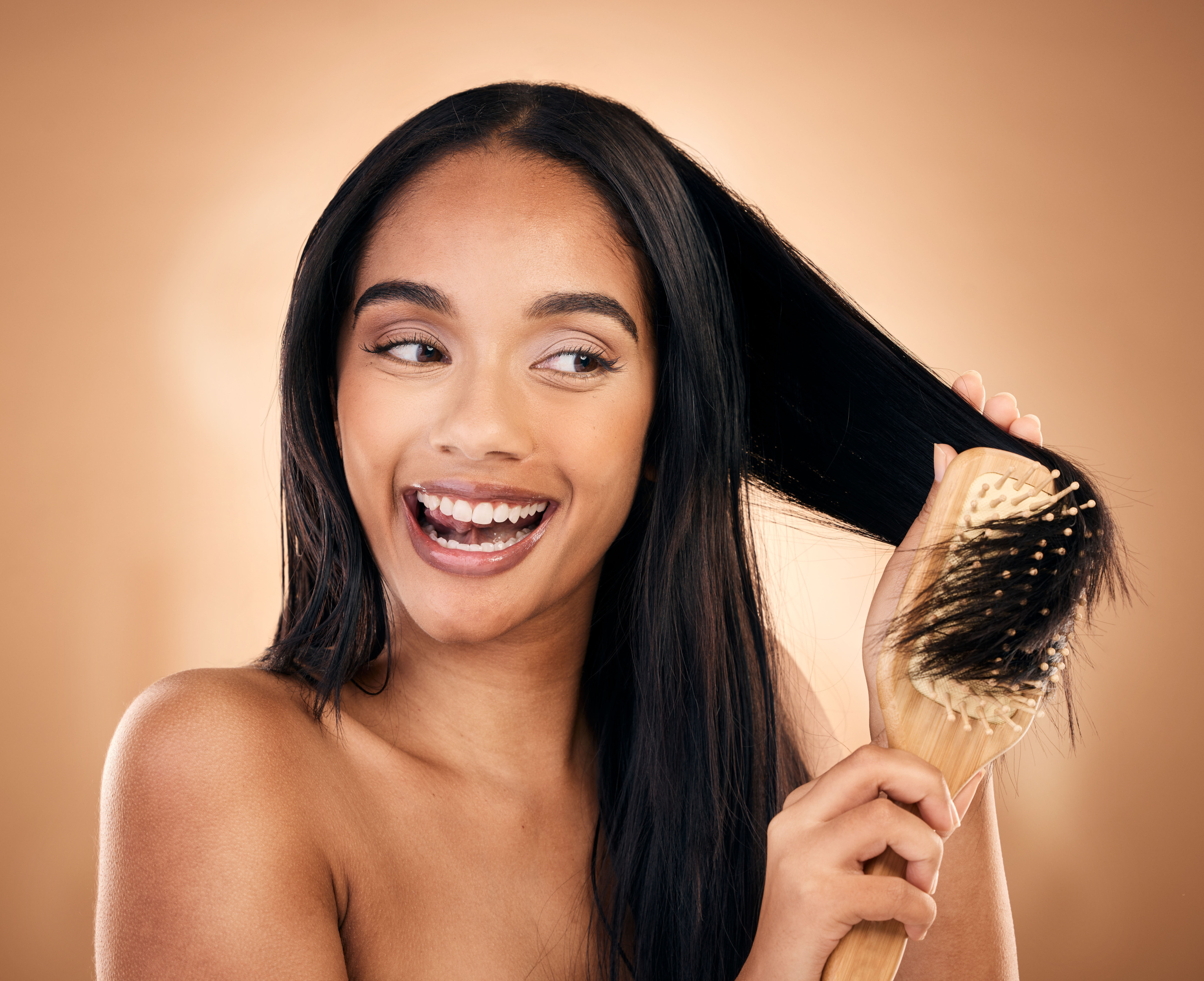
A lot of people think their hair “stops growing” at a certain length, when the real problem is breakage. Your ends are the oldest part of your hair, and they have been through the most washing, brushing, and styling.
To keep more of what you grow:
- Be gentle when your hair is wet
Wet hair is more fragile. Squeeze it with a towel instead of rubbing, and detangle with a wide tooth comb or a gentle brush, starting at the ends and working up. - Reduce heat damage
Constant hot styling can cause dryness, split ends, and breakage. Try to:- Use a lower heat setting.
- Always apply a heat protectant before blow drying, straightening, or curling.
- Give your hair some heat-free days with air drying or simple updos.
- Trim regularly
You do not need to cut off a lot, but removing split ends every 8–12 weeks stops splits from travelling up the hair shaft and breaking. - Avoid tight styles
Very tight ponytails, buns, and braids can strain both the hair and the follicles, especially around your hairline. Go for softer tension where you can.
Often, the best for hair growth in practical terms is simply reducing damage. If less is breaking off, your hair can actually reach the lengths you are aiming for.
Build A Growth-Friendly Hair Care Routine
You do not need a shelf full of products. Focus on a simple routine that supports both scalp and hair.
Core pieces:
- Gentle shampoo and nourishing conditioner
Choose products suited to your hair type (fine, thick, oily, dry, curly, etc). Avoid very harsh cleansers that leave your hair feeling squeaky and stripped. - Leave in conditioner or lightweight oil
These help reduce friction and protect your ends day to day. Apply mostly to mid lengths and ends, not the roots. - Weekly mask or treatment
A hydrating or strengthening mask once a week (or fortnight) can help keep hair flexible and resistant to breakage.
If you want practical, everyday ideas tailored to growth, this guide is useful: Top Tips to Boost Hair Growth Naturally . It dives deeper into specific habits that fit into a normal routine.
What Actually Helps Hair Grow Faster Vs What Is Just Hype
You will see a lot of quick fix promises online. It helps to separate what has some logic behind it from what is mostly marketing.
Things that can genuinely support growth:
- Addressing health issues with a doctor (like iron deficiency or hormone imbalances).
- Improving diet and managing stress.
- Keeping the scalp clean and healthy.
- Reducing breakage through gentle handling and smart styling.
Things to be cautious about:
- Products that claim to “double growth speed” or give overnight results.
- Harsh DIY scalp treatments that irritate or burn.
- Random supplements with no guidance, especially if you are already taking other medications.
If you feel your hair is thinning or shedding more than usual, that is where proper hair growth therapy may come in. Instead of guessing, a consultation with a professional who understands scalp health and growth patterns can point you to options that actually match your situation. There is a helpful overview here: Best Hair Regrowth Treatments You Can Book Now.
When To Consider Professional Hair Growth Therapy
You do not need a clinic for every growth goal, but some signs are worth checking:
- You see more scalp than usual or your part looks wider.
- You are noticing lots of shedding on your pillow, in the shower, or on your brush for several weeks in a row.
- Your hair feels much finer than it used to, or your ponytail feels noticeably smaller.
- You have had a major stress, illness, or hormonal shift, and your hair changed soon after.
Professional hair growth therapy can include in salon treatments, at home products with active ingredients, or referrals to medical specialists where needed. The aim is not only cosmetic but to understand what is driving the change.
Starting early usually gives better results, because more follicles are still active and can respond to support.
Be Patient, But Strategic
Hair growth is slow; there is no way around that. But small, consistent changes add up.
Realistic expectations:
- You probably will not see a big length difference week to week, but you may notice less shedding, better shine, and fewer split ends after a couple of months of better care.
- Most growth plans are measured in months, not days, because of the natural hair cycle.
The good news is that many of the habits that are best for hair growth are also good for your overall health: better nutrition, less stress where possible, more gentle routines.
In Conclusion
Learning how to help hair grow is mostly about supporting what your body is already trying to do, not forcing it to do something unnatural. For some people, small changes at home are enough. For others, especially if shedding or thinning is involved, combining good daily habits with expert advice and hair growth therapy will bring better results.
If you would like personalised support with your growth goals, including colour, trims, and treatment options that respect your hair’s condition, use this link to schedule your visit: Book your hair health and growth focused session today!