



Seasonal Shedding: Understanding Hair Loss In Summer, Autumn, Winter And Spring
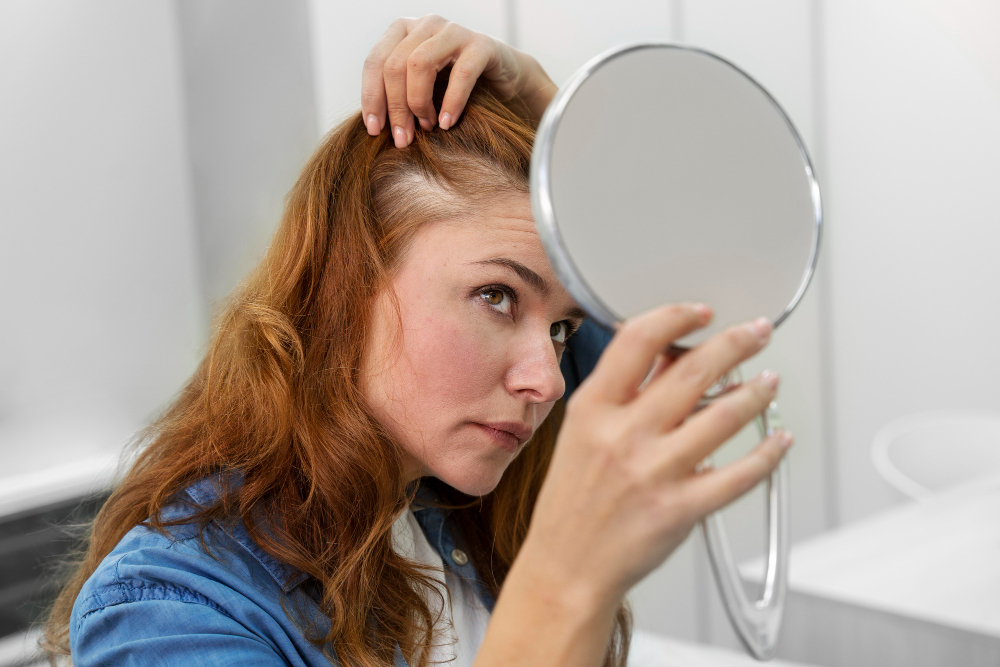
Finding extra strands in your shower drain can make anyone nervous. Many Australians notice seasonal patterns where their hair sheds more noticeably during certain months of the year.
Seeing an increased amount of hair on your brush feels alarming, but seasonal shedding is a natural response to weather changes. Let’s discuss how to separate normal shedding from real medical hair loss.
Seasonal Shifts and Your Hair Growth Cycle
To understand why shedding fluctuates, look at the natural hair growth cycle. Each hair follicle operates through three main phases. The anagen phase is when hair is actively growing, lasting two to seven years.
Next comes the catagen phase, a short transitional window. Finally, the telogen phase is a resting stage lasting around three months, after which the strand drops out and a new fiber forms.
Humans often retain more hair in summer to shield the scalp from sun exposure. When autumn arrives, many hairs enter the resting phase together. This shift causes an uptick in hair fall a few months later. For most people, this spike is a temporary telogen phase rather than permanent thinning.
Clients regularly ask their stylist: how much hair shed is normal on an average day? Most dermatologists agree that losing between 50 and 100 hairs daily is standard.
If you are uncertain about your daily strand count, read Hair Shedding vs Hair Loss: What’s the Difference? to distinguish temporary molting from genuine follicle miniaturization. Paying attention to regrowth patterns gives you peace of mind throughout seasonal changes.
Summer Sun Exposure and Scalp Stress
Summer across Australia brings intense sun exposure that can damage the outer hair shaft. Ultraviolet rays degrade protein structure, leaving hair brittle and prone to snapping. Because the cuticle is the outermost part of the hair, protecting it preserves essential moisture.
Swimming in salty oceans or pools adds stress. Chlorine strips natural scalp oils, triggering premature hair shedding reasons that show up weeks later. Wearing a wide-brimmed hat outdoors shields both your skin and delicate hair follicles from sun damage.
Autumn Changes and Post-Summer Shedding
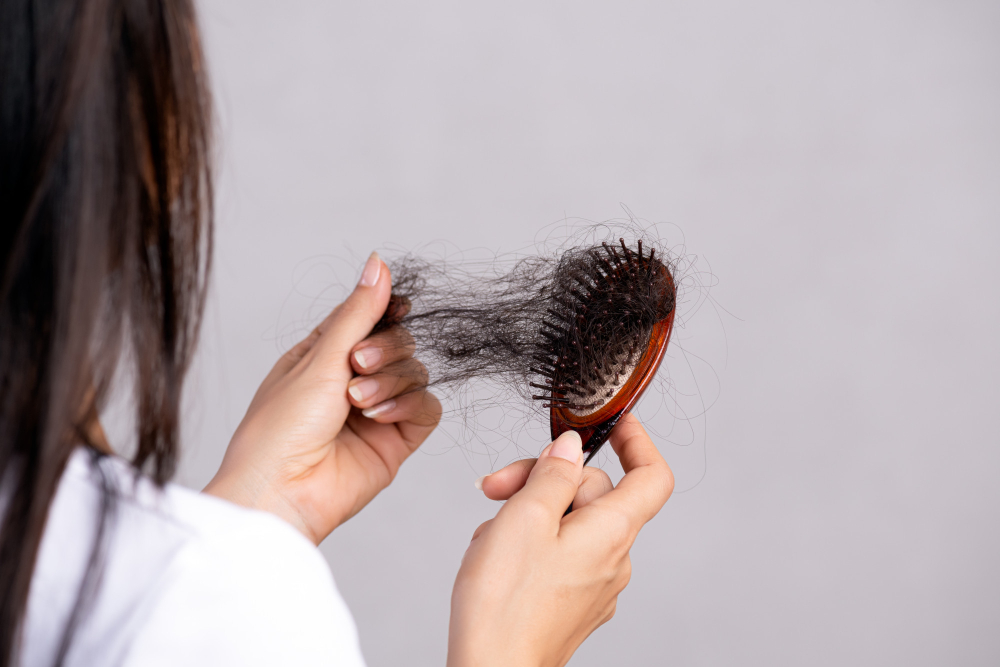
Autumn is when Australians often notice shedding as summer hairs transition into resting phases. This phenomenon is often mistaken for sudden hair thinning, causing unnecessary worry.
In medical terms, widespread shedding triggered by environmental shifts is known as telogen effluvium. Unlike genetic conditions that shrink follicles permanently, this resting-phase shed is temporary.
The follicles remain alive beneath the surface, preparing to produce new strands once the cycle resets. As long as you maintain a nourishing diet and avoid harsh chemicals, autumn shedding usually subsides within six to eight weeks.
Winter Dryness and Indoor Heating
Winter presents a different set of challenges for hair health across southern parts of Australia. Cold winds and indoor heating pull moisture from your scalp, making strands coarse and prone to tangling.
Many people rely more heavily on hot showers and heat styling tools to dry their hair quickly in cold mornings. High heat weakens protein bonds along each strand, causing breakage that looks identical to root shedding.
Our guide: How to Address Hair Breakage and Hair Loss offers sensible ways to protect vulnerable strands from mechanical snapping during colder months. Swapping to gentler drying methods preserves strand elasticity until warmer weather returns.
Spring Renewal and Fresh Follicle Growth
Spring brings recovery for your scalp. Improving blood circulation delivers nutrients to each hair follicle, sprouting tiny new hairs along your parting.
These short, fine hairs indicate that your follicles have exited the resting phase and are actively producing new fibers. To keep this new hair growing strong, focus on gentle brushing and balanced nutrition.
Eating sufficient protein, iron, and zinc supports keratin production from the inside out. Spring is also the ideal window to assess your hair care routine and clear away winter product buildup.
Practical Steps on How to Stop Hair Shedding
While you cannot stop seasonal shedding completely, you can prevent hair breakage and maintain a healthy scalp year-round. Learning how to stop hair shedding comes down to establishing sensible daily habits that help your hair transition smoothly between extreme Australian weather changes.
Regular scalp massages stimulate circulation and support optimal scalp health. A clean scalp provides the best environment for robust hair growth. Wash your hair with a mild shampoo that cleanses without stripping natural oils.
Avoid washing with scalding water. Apply a hydrating conditioner after every wash to lubricate strands. Once a week, use a deep conditioning mask to restore moisture.
Allow hair to air-dry whenever possible, and apply a thermal protectant before blow-drying. Detangle gently using a wide-tooth comb.
When Shedding Points to Underlying Hair Loss
Seasonal shedding should always stabilize after a few months. If you notice persistent shedding that lasts longer than three months, you may be dealing with a medical condition rather than weather-related shedding.
Other common triggers for progressive hair loss include nutritional deficiencies, thyroid irregularities, hormonal fluctuations, and genetic patterns.
A widening part line, visible scalp through thin hair, or shedding that leaves behind no new growth warrants a closer look.
Read: Best Hair Regrowth Treatments You Can Book Now for clinical therapies, topical solutions, and in-salon scalp treatments designed to treat different types of hair loss effectively. Consulting a professional early ensures you address excessive hair shedding before it impacts overall hair density.
In Conclusion
Noticing seasonal shifts where your hair sheds is a completely normal part of the body’s response to changing climates. Protect your scalp from extreme weather, and support your body with good nutrition to keep your strands resilient.
Ready to restore your scalp health and boost your hair density? Book your salon consultation today and let our experienced team help you achieve your best hair.