






How to Detox Your Hair and Scalp with Salon-Approved Treatments
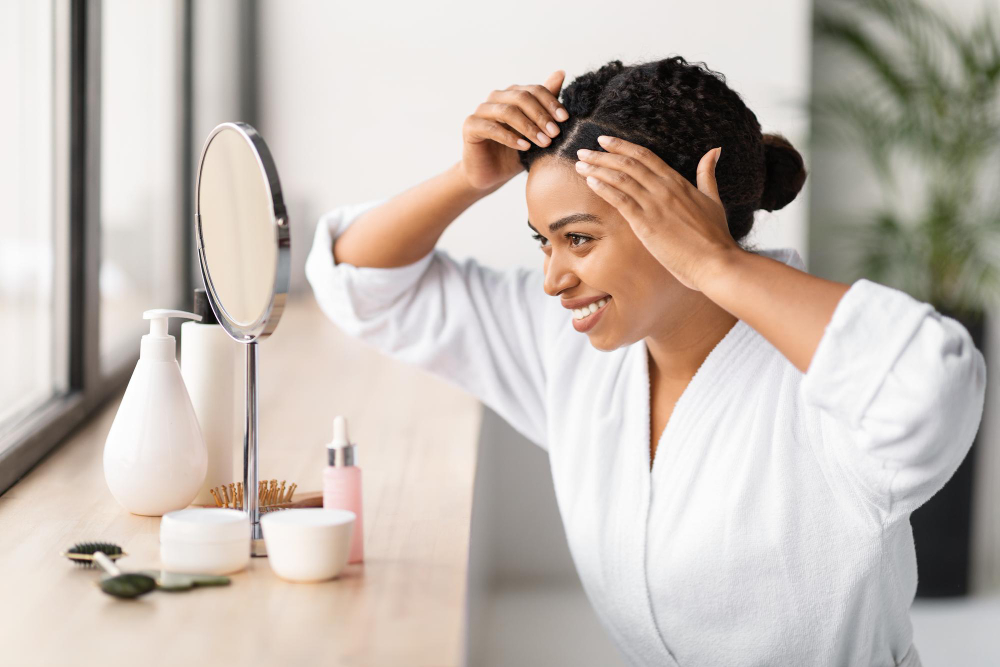
A hair detox can help when your hair feels heavy or harder to style than usual. It is not about stripping everything from your hair. It is about clearing away excess oil and environmental grime so your scalp and lengths can return to a more balanced state.
Most people use several hair products each week. Shampoo, conditioner, dry shampoo, hairspray, mousse, heat protectant and leave-in treatments can all leave residue behind over time. Add sweat, pollution and your scalp’s own natural oil, and it is easy to see why hair can start to feel flat or look less fresh between washes.
What Is A Hair And Scalp Detox?
A detox for hair is a focused cleansing routine that helps remove product buildup from the scalp and hair shaft. It may involve a clarifying shampoo or exfoliating treatment, a scalp massage or even a professional in-salon service.
Scalp detoxification matters because a clean scalp gives your hair its best starting point. Your hair follicles sit within the scalp, so keeping the area free from excess residue and dead skin cells supports a comfortable, healthy scalp environment.
This does not mean your scalp needs harsh cleansing every week. In fact, over-cleansing can leave the scalp dry and irritated or overly oily as it tries to compensate. The right approach depends on your routine plus your hair types and how much styling product you use.
Signs You May Need To Detoxify Hair
Your hair does not need a detox on a fixed schedule. Instead, pay attention to how it looks and feels. You may benefit from detox treatments if you notice:
- Hair that feels coated, waxy or limp after washing
- Roots that become oily quickly
- Dry shampoo that no longer seems to work
- Itchy or flaky areas on the scalp
- Hair products that sit on the surface rather than absorbing
- Dull lengths with less movement or shine
- Styling products that are harder to wash out
A deep cleanse can be especially useful after frequent heat styling, swimming, travelling or wearing a lot of dry shampoo. It can also be helpful before a colour appointment, as clean hair can allow your stylist to assess your natural base and condition more accurately.
Start With The Right Detox Shampoo
For many people, a clarifying or detox shampoo is the simplest way to remove buildup. These shampoos are designed to lift residue from styling products, minerals and excess oil more thoroughly than an everyday shampoo.
Use a detox shampoo once every few weeks if you use a moderate amount of product. If you rely on dry shampoo or texturising sprays most days, you may need it more often. But be careful with frequency. A strong cleanser used too often can make dry or coloured hair feel rough.
Apply the shampoo to wet hair and focus on the scalp first. Use your fingertips, not your nails, to massage gently for about a minute. Then pull the lather through the mid-lengths and ends before rinsing well. Follow with a moisturising conditioner or mask, particularly if your hair is bleached, curly or naturally dry.
A professional can also help you work out the best cleansing routine for your needs. If you are dealing with shedding or changes in density, read How to Address Hair Breakage and Hair Loss for a closer look at common causes and practical care steps.
Try Scalp Scrubs With Care

Scalp scrubs can help lift dead skin cells and surface residue. They are usually used before shampooing or in place of a first shampoo. Some contain fine physical exfoliants, while others use gentle acids or enzymes to loosen buildup.
Be careful not to scrub too hard. A scalp scrub should feel cleansing, not abrasive. Massage it in with light pressure, then rinse and shampoo as directed. If your scalp is sensitive, flaky, irritated or affected by a skin condition, check with a hair professional or dermatologist before using one.
A salon scalp treatment can be a good option if you are unsure what is causing the issue. Your stylist can examine your scalp and recommend suitable products to make sure the service suits your hair and skin needs.
Can You Use Apple Cider Vinegar?
Apple cider vinegar is often mentioned in advice about how to detox your hair. Some people use a diluted rinse to help cut through residue and make hair feel smoother. But it is not the best option for everyone.
Vinegar is acidic, and using it too strong or too often may irritate the scalp or affect colour-treated hair. Never apply undiluted apple cider vinegar directly to your scalp. If you choose to try it, dilute a small amount with plenty of water, avoid broken or irritated skin and rinse thoroughly.
There are usually more predictable salon-approved options, such as a professionally formulated detox shampoo or a treatment designed for your specific hair type. These products are made to cleanse without leaving your scalp feeling stripped.
Support A Healthy Scalp Between Detoxes
Detoxing your scalp works best when it is part of a simple, consistent routine. You do not need to use every treatment available. Instead, make a few practical changes that reduce the chance of heavy residue returning.
- Wash your brushes and combs regularly to prevent old oil and products from transferring back to clean hair.
- Rinse thoroughly after shampooing, conditioning and styling. Leftover products can create buildup quickly.
- Use dry shampoo sparingly and wash it out properly rather than layering it for several days.
- Choose styling products that suit your hair texture and use only the amount you need.
- Avoid applying heavy oils directly to the roots unless advised by your stylist.
- Use aloe vera-based scalp products only if they suit your skin, as even gentle ingredients can cause irritation for some people.
Your routine also affects hair growth in indirect ways. A clean, balanced scalp does not guarantee faster growth, but it can make it easier to care for the hair as it grows. Hair starts at the follicle, so regular cleansing, gentle handling and suitable products all matter.
Match The Treatment To Your Hair Type
Fine hair often shows product buildup quickly because residue can weigh it down. A light clarifying wash every few weeks may help restore volume without overdoing it.
Curly and coily hair may need a gentler approach because it can be naturally drier through the lengths. Focus cleansing at the roots, then follow with plenty of moisture. People with coloured or chemically treated hair should choose products made for treated hair and ask their stylist how often to clarify.
If you are not sure where to begin, the right stylist can make a real difference. How to Choose the Perfect Hair Stylist for You explains what to look for when you want advice that suits your hair goals, texture and routine.
When To Book A Salon Treatment
At-home care is useful, but salon treatments can offer a more targeted deep cleanse. A stylist can remove product residue while protecting the condition of your lengths. They can also recommend a routine that fits your hair type, colour history and scalp concerns.
Book in if your scalp feels persistently itchy or flaky, or if your hair still feels coated after washing. These issues may be more than ordinary buildup. A stylist can guide you, and a doctor or dermatologist can help if there are signs of a scalp condition.
In Conclusion
A hair detox is simply a way to clear excess residue and give your scalp a fresh start. Use gentle, suitable products and avoid over-cleansing, especially if your hair is dry, coloured or sensitive. With the right balance, it can help your hair feel lighter, cleaner and easier to manage.
When ready for personalised advice and a professional scalp refresh, be sure to book your salon treatment with our hair experts.