






Can You Colour Hair After Nanoplasty? Timeline & Mistakes To Avoid
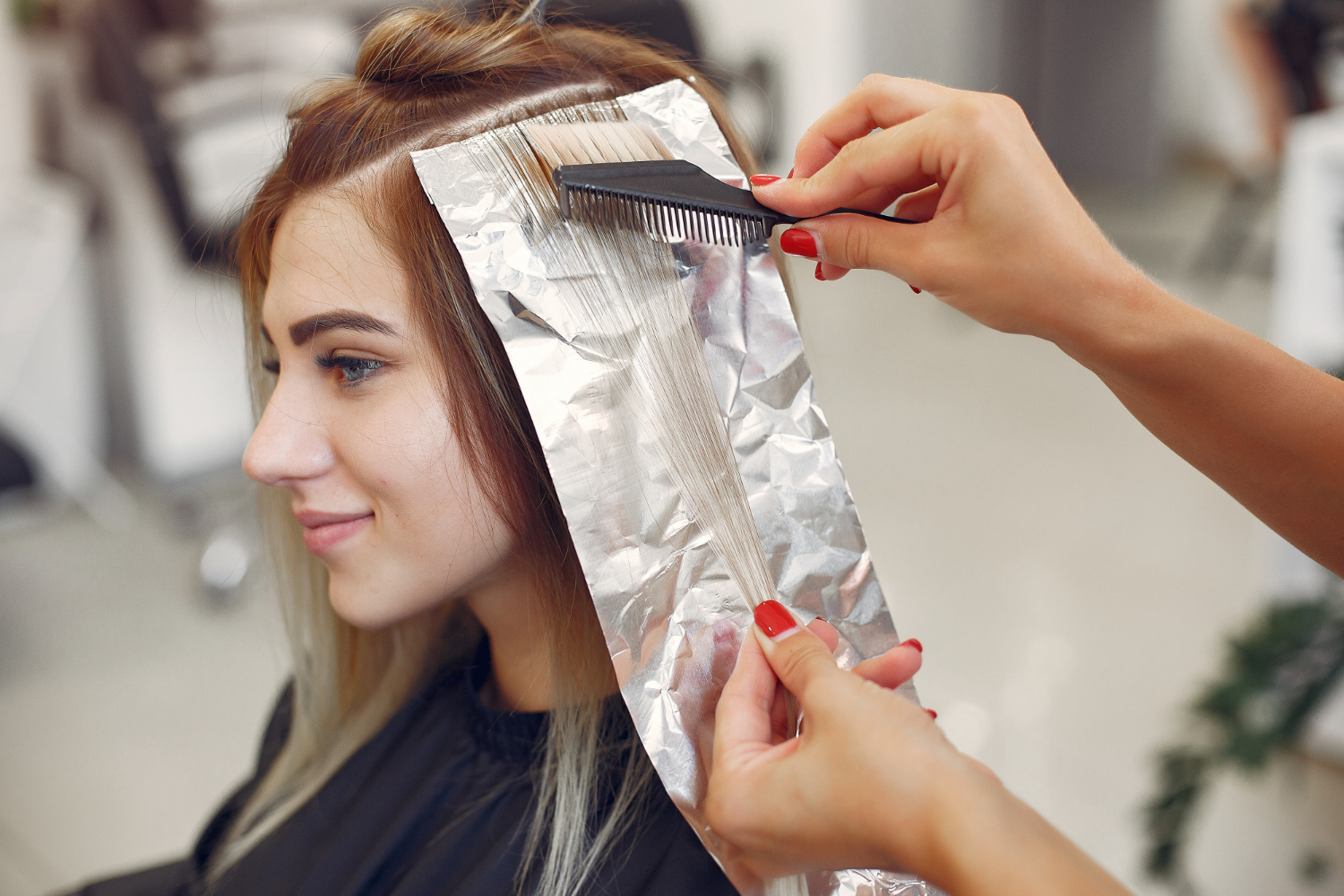
If you are wondering how long after nanoplasty to colour hair, the safest answer is to wait until your hair has settled and your stylist has checked its condition.
In many cases, waiting around two weeks is a sensible starting point, but the right timing depends on the nanoplasty formula, your hair history and the type of colour service you want. Colouring too soon can affect both the colour result and the smooth finish you paid for.
Nanoplasty is often chosen by people who want smoother, easier-to-manage hair without committing to traditional chemical relaxing. But it is still a salon chemical service that uses heat and active ingredients. That means your hair needs time before another process, especially if you want to lighten it, cover grey or make a major colour change.
What Nanoplasty Does To Hair
A nanoplasty treatment is a smoothing service designed to reduce frizz or soften texture and make hair easier to style. It is often promoted as formaldehyde free, although product formulas vary, so it is always worth asking your salon exactly what is used and how it works.
Many nanoplasty formulas contain ingredients such as amino acids, proteins and conditioning agents. These ingredients are applied to the hair, then sealed in with heat. The treatment is intended to smooth the surface of the hair and reduce volume or curl, depending on your natural texture and the formula used.
The final result is usually smooth hair that feels easier to dry, brush and style. But nanoplasty does not create identical results for everyone. Different hair types respond differently. Fine hair may look very sleek, while thick, coarse or curly hair may keep some movement but feel less frizzy.
Why Waiting Matters
Colour and nanoplasty both affect the surface and internal structure of the strand. After a smoothing service, the hair needs time to settle before you add another chemical process. Colouring too early can interfere with the smoothing effect and may make your colour look uneven.
Some colour formulas need to open the hair cuticle to work properly. Nanoplasty aims to smooth and seal that outer surface. When the two services are performed too close together, the colour may not develop as expected. It may fade sooner and appear patchy or take differently through the roots and lengths.
Waiting also gives you time to see how your hair feels after the treatment. If it feels dry, fragile or unusually flat, your stylist may suggest delaying colour and focusing on conditioning care first. This is particularly important for hair that has already been bleached and highlighted or frequently heat styled.
For more detail about smoothing services on previously coloured hair, read Nanoplasty Process for Coloured Hair. It explains why your existing colour history should be part of the decision before booking either service.
A Practical Colour Timeline
There is no single timeline that suits every person. Your salon should always follow the product manufacturer’s instructions and assess your individual hair. Still, these general timeframes can help you plan.
If you want to color your hair with a toner or semi permanent gloss, you may be able to do so sooner than a major lightening service. A gentle colour refresh is usually less demanding than bleaching, but it can still affect tone and shine if done too early.
For permanent root colour or grey coverage, waiting around 10 to 14 days is often a safer approach. This gives the treatment time to settle and lowers the chance of uneven colour. If you want highlights, balayage or a significant lift, you may need to wait longer because lightening can place more stress on the hair.
Your stylist may also recommend colouring first and booking nanoplasty afterwards. This can be a good option when your priority is a fresh colour result followed by smoother, more manageable hair. However, the order should be decided after a consultation because it depends on your current condition and colour goal.
Nanoplasty Compared With Keratin
Nanoplasty and keratin treatments are both used to reduce frizz and make hair easier to manage, but they are not the same service. Keratin treatment formulas often use a protein-based smoothing approach that is activated and sealed with heat. Nanoplasty formulas may use a different blend of acids, amino acids and conditioning ingredients.
Both can create a smoother finish, but neither should be treated as completely risk-free. Heat is usually part of the application process, and high heat can add stress to already dry hair. The condition of your hair before the service matters as much as the treatment itself.
Our article: Everything You Need to Know About Keratin Treatment explains that keratin services are generally used to smooth the cuticle, reduce frizz and make hair more manageable, with results that can last for several months depending on care and hair type.
Can You Colour Hair After Keratin Treatment?
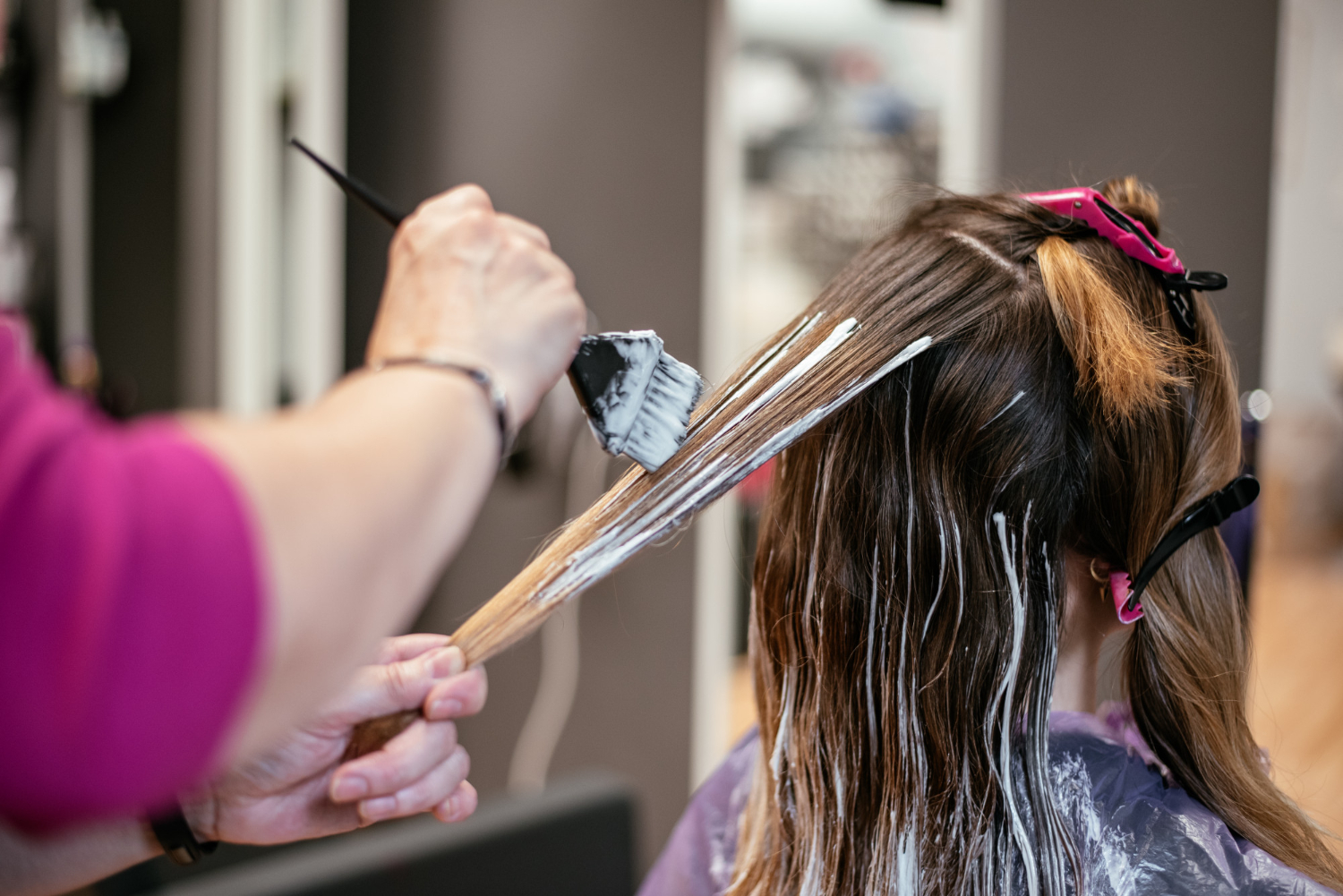
People often ask, can you colour hair after keratin treatment? Usually, yes, but timing is important. In many cases, it is best to wait about 12 to 14 days after a keratin service before applying colour, particularly if you want the smoothing treatment to last and your colour to develop evenly.
The same cautious mindset is useful for hair after a keratin treatment and hair after nanoplasty. Both services may change how the surface of your hair responds to colour. If you apply dye immediately, the pigment may not take evenly, and the smoothing treatment may not perform as intended.
Our article: Can You Color Your Hair After Keratin Treatment provides further guidance on planning colour around a keratin service and why giving the hair time between appointments matters.
Mistakes To Avoid
One of the biggest mistakes is booking colour and nanoplasty too close together without asking whether your hair can handle both. A stylist needs to know your full hair history, including permanent dye, box colour, bleach, highlights, toners and previous smoothing services.
Avoid washing your hair earlier than your stylist recommends after nanoplasty. Some formulas require a waiting period before the first wash, while others are rinsed or washed on the day. Follow the specific aftercare instructions for your service rather than relying on a general rule from social media.
Using the wrong products can also shorten the life of your treatment. A sulfate free shampoo and conditioner is often recommended because strong cleansers may strip the treatment and cause the smooth finish to fade sooner. Use products suggested for your own hair needs, especially if your hair is coloured or lightened.
Do not assume that more heat will keep your hair straighter for longer. Use heat protection before blow-drying, straightening or curling. Even treated hair can become dry or fragile if high temperatures are used too often.
Colour Choices After Nanoplasty
If your hair has recently had nanoplasty, choose your next colour service with care. Darkening your hair or refreshing faded colour can often be less demanding than lifting it several shades lighter. But even a darker shade needs to be applied properly to avoid uneven absorption.
A gloss or semi-permanent toner can be a useful option when you want shine or a small tone adjustment. It may also suit people who want to blend early greys without committing to permanent colour. Your stylist can decide whether a gloss is appropriate based on your hair’s porosity and the timing of your nanoplasty.
If you want highlights or blonde colour, expect a more detailed discussion. Lightening products need to penetrate the hair shaft and lift natural or artificial pigment. This can be harder to predict after a smoothing treatment, particularly if your hair has also been previously bleached or coloured.
Be clear about your goal. Bring photos, explain whether you want warmer or cooler tones, and mention how often you are willing to maintain your colour. This helps your stylist choose a realistic direction without putting unnecessary pressure on the hair.
Looking After Treated Hair
Good aftercare helps prolong both your smoothing result and your colour. Use a gentle, sulphate-free cleansing routine and avoid very hot water. Wash only as often as your scalp needs, rather than out of habit.
Use a soft towel or cotton T-shirt to blot water from your hair instead of rubbing it hard. Brush gently, starting at the ends and working upwards. If you use a hair dryer, keep the airflow moving rather than concentrating intense heat on one section.
Your stylist may also recommend a conditioning mask or leave-in product for keratin treated hair or nanoplasty-treated lengths. The right product can support softness, but it should not leave the hair heavy or coated.
In Conclusion
You can colour your hair after nanoplasty, but waiting around two weeks is often the safer choice for smoother results and more even colour. Your hair condition and the service you want all affect the best timing. A professional consultation is the best way to protect your hair while planning both colour and smoothing treatments.
Ready to plan your next colour or smoothing appointment? Book your hair appointment with our nanoplasty hair experts today!