



Nanoplasty vs. Keratin Treatments: Which Is Right for Your Hair?

Choosing between nanoplasty vs keratin treatment can feel confusing, especially when both promise smoother, more manageable hair. Both are popular straightening treatments for people dealing with frizzy hair, but they work differently and suit different needs.
The best choice depends on factors like your hair type, colour history, goals and how much time you can commit to aftercare.
A keratin treatment is usually chosen to reduce frizz and make daily styling easier. Nanoplasty is often positioned as a longer-lasting smoothing option that uses ingredients such as amino acids, proteins and organic acids.
Neither treatment is right for every person, so it helps to understand what each one does before booking.
What Is A Keratin Treatment?
A keratin treatment is a salon service designed to smooth the hair cuticle and reduce the appearance of frizz. Keratin is a protein naturally found in hair and other organs like the skin and nails. During the treatment, a stylist applies a smoothing formula then blow-dries the hair and uses heat to seal the product into the hair shaft.
The result is usually softer hair with more smoothness and shine. It may not make every hair type pin straight, particularly very curly hair, but it can reduce styling time and make hair easier to blow-dry.
Results vary depending on the formula plus your hair’s condition and home care routine. In many cases, keratin results last a few months before gradually fading with washing your hair.
For a closer look at what this service can do, read Keratin Treatment Benefits: A Comprehensive Guide. It explains the practical benefits and the type of aftercare that helps maintain the finish.
What Is Nanoplasty?
Nanoplasty is a hair smoothing and straightening service that is often promoted as an alternative to traditional keratin services. It generally uses a blend of amino acids, proteins, collagen and organic acids. The formula is applied to the hair, processed for a set time and sealed with heat.
Nanoplasty offers a smoother finish by working through the hair fibre rather than simply sitting on the surface. Depending on the brand and technique used, it may create stronger straightening effects than a standard keratin treatment. Some people find it gives a more polished result, especially on thick or very frizzy hair.
So, is nanoplasty good for your hair? It can be a suitable option when it is performed by an experienced stylist using a reputable formula and appropriate heat settings. But it is still a chemical and heat-based service. Anyone with very damaged hair or a sensitive scalp should speak with a stylist before going ahead.
The Main Difference
The biggest difference between nanoplasty and keratin is how the treatment works and how long the result tends to last.
A keratin treatment generally focuses on coating and smoothing the outer hair cuticle. It can leave hair softer and easier to manage, but the effect slowly washes out. Nanoplasty and keratin can both make styling simpler, yet nanoplasty is usually intended to create a more lasting change to the hair structure.
Nanoplasty is often marketed as being free from formaldehyde and similar harsh chemicals. That said, formulas vary between brands. Always ask your salon what product is being used or request product information if needed and tell your stylist about scalp sensitivity and previous chemical services.
This matters in Australia. SafeWork NSW has warned that some keratin straightening products can release formaldehyde when heat is applied, and it recommends salons obtain and keep product safety information. Older Australian recalls also show why it is important to choose a salon that uses compliant products and is open about its treatment formulas.
Which Treatment Lasts Longer?
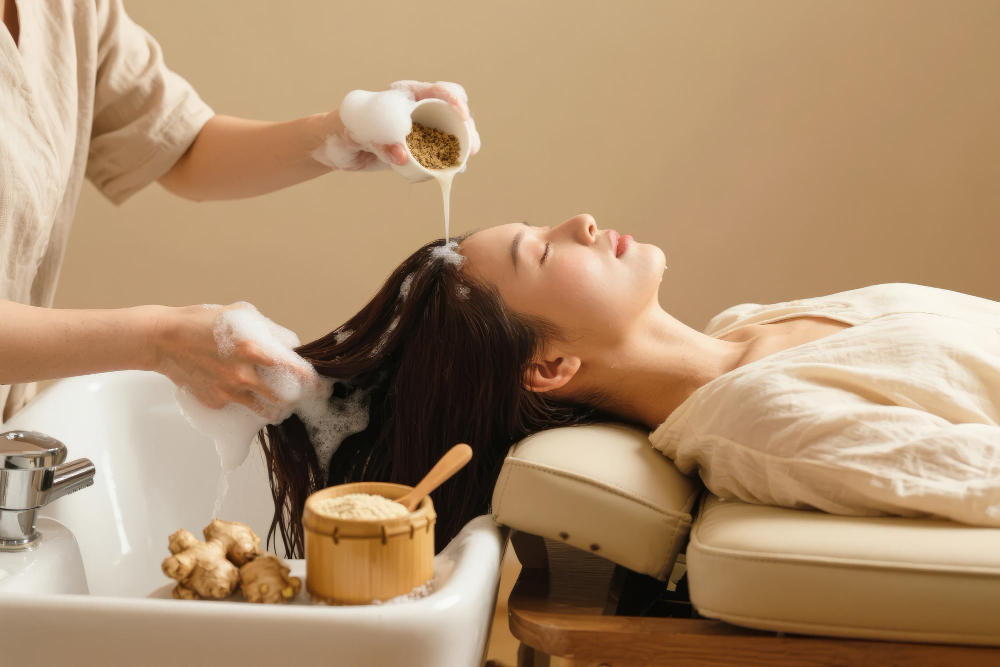
Keratin treatments often last around two to four months, depending on your hair type, how frequently you wash and the products you use at home. Nanoplasty can offer longer lasting results, often around four to six months, though the exact result varies from person to person.
If you are wondering how long does nanoplasty take, allow roughly two to four hours at the salon. Length, density, porosity and curl pattern all affect the appointment time. A stylist may need longer for thick or long hair, especially when careful sectioning and heat application are required.
For more detail on timing and maintenance, see How Long Does Nanoplasty Last on Hair?. Your stylist can also give you a more accurate estimate after checking your current condition and hair goals.
Which Is Better For Colour-Treated Hair?
Colour treated hair needs extra care with any smoothing service. Bleach or permanent colour and previous straightening work can make the hair shaft more porous. That means it may absorb treatment quickly, but it may also be more vulnerable to dryness or breakage from heat.
A keratin treatment can be a gentler choice for some people who want smoother hair without very strong straightening effects. Nanoplasty may work well for others, but it should be tailored carefully when hair is fragile or already damaged.
A good stylist should assess your hair first. They may suggest a strand test or postponing the treatment until the hair is stronger. There is no benefit in forcing a result that puts the condition of your hair at risk.
Which Works Best For Curly Hair?
Both treatments can work on curly hair, but the final look can be quite different. Keratin may loosen curls and reduce frizz while allowing some natural movement to remain. This can suit someone who wants more control but does not want to lose all texture.
Nanoplasty can create a straighter finish, depending on the formula and how it is applied. It may suit someone who wants a more noticeable change and less need for straighteners. But it is important to be clear about your goal before the appointment. Bring photos and explain whether you want smoother curls or straighter hair.
Hair types including fine, coarse, curly, wavy, coloured and textured hair can react differently. A consultation gives your stylist the chance to recommend a treatment that works with your hair rather than against it.
Aftercare Makes A Difference
Post treatment care affects both the look and life of your service. Your stylist will tell you when you can wash your hair, as instructions differ by formula. Some services allow same-day washing, while others require you to wait.
Many salons recommend a sulphate-free shampoo and conditioner, though it is best to follow the product-specific advice you receive. If you see the phrase “free shampoo and conditioner”, it often refers to sulphate-free or sodium chloride-free options, not products that are free of charge.
Try to limit frequent swimming in chlorinated pools and use heat protection before styling. Also avoid overly hot tools at home. These simple steps can help protect the hair cuticle and reduce frizz between appointments.
How To Decide Between Nanoplasty and Keratin
Choose a keratin treatment if you want softer, smoother hair and a temporary result that gradually fades. It can be a good fit if your main goal is easier styling and more shine without necessarily making your hair very straight.
Consider nanoplasty if you want a straighter finish and are looking for a treatment that may last longer. It can be useful for people with persistent frizz or curls that are difficult to smooth at home. But ask about the exact processing time and whether your hair is in good enough condition for the service.
If you are still weighing up the options, Nano Plastia Hair Treatment: Why It Is Trending in Salons offers more context on why this service is becoming a common choice for clients seeking a smoother finish.
In Conclusion
Nanoplasty and keratin treatments can both reduce frizz and make hair easier to style, but they offer different levels of straightening and longevity. Keratin is often best for a softer and more temporary smoothing result, while nanoplasty may suit people who want a straighter finish for longer.
In the end, the safest choice is one made after a proper consultation, with your hair condition and treatment history taken seriously. If you want help choosing the right smoothing service for your hair, don’t hesitate to book a consultation or treatment with our hair experts.