



Keratin Before Summer: When It Helps and When It Doesn’t
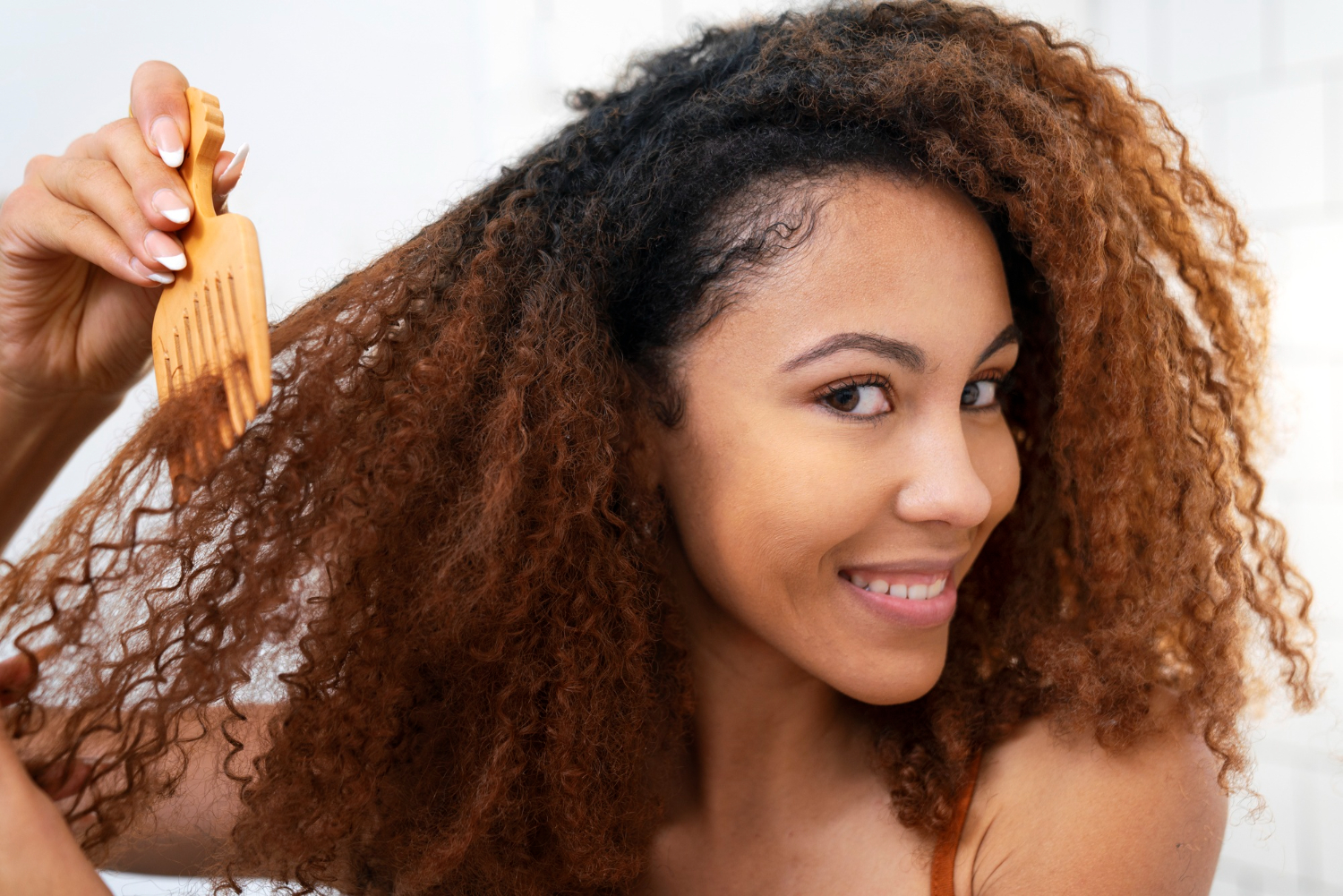
A keratin treatment for summer can make daily styling easier if humidity turns your hair frizzy or your usual routine takes too long. It may reduce puffiness while cutting down your drying time and giving you smoother hair for beach days, work mornings and summer events.
Australian summer can be hard on hair. Heat, humidity, UV exposure, saltwater and chlorine can leave hair feeling rough and difficult to manage. A keratin service may help some people deal with frizz, but it should be part of a broader hair care routine rather than a quick fix for damage.
What A Keratin Treatment Does
A keratin hair treatment is a smoothing service designed to make hair feel softer, shinier and easier to style. Keratin is a protein found naturally in hair, skin and nails. In a salon service, a formula is applied through the hair and usually sealed with heat.
The treatment works by coating and smoothing the hair cuticle, which is the outer layer of each strand. When the cuticle lies flatter, hair reflects more light and can look more smooth and shiny. It can also feel less rough and become easier to brush, dry and straighten.
Most keratin services do not permanently change the structure of the hair. They are different from permanent straightening, which uses stronger chemicals to break and reform bonds inside the hair. A keratin treatment can reduce frizz and soften waves, but it may not make very curly hair completely straight.
When It Can Help Before Summer
Keratin can be helpful if your hair becomes difficult to manage in humid weather. Humidity causes dry or porous hair to absorb moisture from the air, which can lead to frizz and changes in shape. A smoothing service can help eliminate frizz to some extent by creating a more even surface.
It may also suit people who rely on a daily blow dry or straightening routine. When hair is easier to smooth, you may spend less time using a dryer or flat iron. Less frequent heat styling can be useful during summer, when your hair is already exposed to hot weather and strong sun.
A salon keratin service can also make sense before a holiday if you want hair that is simpler to manage around swimming and travel or even outdoor events. You may find your hair dries faster, tangles less and needs fewer styling products. But the result depends on your natural texture, colour history and the formula used.
For more ways to protect your hair during the hotter months, Hair Care During Summer: 5 Mistakes You Should Avoid recommends using heat protection, rinsing hair after swimming and adjusting your routine to suit your hair type.
How Long Does Keratin Treated Hair Last In Summer?

People often ask, how long does keratin treated hair last in summer? Most results last around two to four months, but this varies based on the treatment and your hair type. Fine hair may lose the result sooner, while thicker or more textured hair may hold onto the smoothing effect longer.
Summer habits can shorten the lifespan of a treatment. Frequent swimming, sun exposure and saltwater can affect the finish. So can very hot showers and harsh cleansers. If you wash your hair too frequently, the treatment may fade more quickly than expected.
Use sulfate free shampoos and a gentle shampoo and conditioner after your appointment. Sulfates are strong cleansing agents that can strip away oils and may reduce the longevity of some smoothing treatments. Your stylist can recommend products that are compatible with the formula used on your hair.
When Keratin May Not Be The Best Choice
A keratin service may not be the best option if your hair is severely damaged from bleaching and frequent colouring or repeated heat styling. While a smoothing treatment can make hair look healthier for a time, it does not repair serious breakage inside the strand.
The application process often involves high heat to seal the product. That can be difficult for fragile hair, particularly if it has already been exposed to bleach or harsh chemicals. If your hair feels stretchy when wet, snaps easily or has uneven texture, it may need a repair-focused approach before any smoothing service.
It is also important to understand the formula. Some keratin products are marketed as formaldehyde free, but ingredients and application methods differ between brands. Ask your stylist which product they use, whether it releases fumes when heated and whether it is appropriate for your colour-treated or sensitive hair.
A consultation is the right time to be honest about your hair history. Mention home colouring, highlights, bleach, permanent dye, previous straightening treatments and any scalp sensitivity. This helps your stylist assess whether a salon treatment is suitable or whether a gentler option would be better.
Keratin Versus Nanoplasty
Keratin and nanoplasty are both smoothing services, but they use different formulas and may create different results. Keratin treatments generally focus on coating and smoothing the hair with protein-based ingredients and heat. Nanoplasty often uses amino acids, organic acids and conditioning agents to improve manageability and reduce frizz.
Our article: Is Nanoplasty Good for Your Hair? A Complete Guide explains that nanoplasty is often promoted as a formaldehyde-free smoothing option that uses organic acids, amino acids and nourishing oils to reduce frizz and make styling easier.
Neither service is automatically better for everyone. The right choice depends on your hair condition, whether you want to retain curls or waves, how often you colour your hair and how much maintenance you are comfortable with. Avoid choosing based only on a before-and-after photo, as results can look very different across hair types.
Home Keratin Versus Salon Keratin
A home keratin product may seem convenient, but it is not always comparable to a professional service. At-home products can vary widely in strength and ingredients. Some are simply smoothing masks, while others involve heat and more active ingredients.
Applying a strong smoothing formula yourself can be risky if you do not know your hair’s condition or how it will react. Uneven application, excessive heat or using too much product can leave hair flat, dry or coated. It can also make future colour services harder to predict.
A professional salon keratin appointment includes an assessment of your hair and product selection then controlled application. Your stylist can avoid repeatedly passing a hot tool over fragile areas and can adjust the technique for your texture. This does not remove all risk, but it gives you a more informed starting point.
Summer Care After Keratin
Keratin-treated hair still needs care. The treatment may make hair easier to style, but it does not protect it from UV, chlorine, saltwater or mechanical damage. A simple summer routine can help maintain a smoother finish.
- Use a sulphate-free shampoo and conditioner recommended for treated hair.
- Rinse hair with fresh water before and after swimming.
- Use a UV-protective leave-in product when spending long periods outdoors.
- Apply heat protection before using a dryer, curling tool or straightener.
- Keep flat iron temperatures moderate rather than using maximum heat.
- Wear a hat when you are in direct sun for long periods.
- Use a gentle mask when your hair feels dry from saltwater or chlorine.
Our article: Summer Hair Styling: Essential Tips for Healthy Locks also recommends rinsing hair after swimming, reducing unnecessary heat and using protective products to manage frizz in humid weather
Set Realistic Expectations
A keratin treatment can make hair easier to manage, but it will not make every hair concern disappear. It may reduce frizz, improve softness and shorten drying time, but it cannot permanently repair broken hair or make every curl pattern straight.
Your result will depend on the product, your natural texture and your maintenance habits. If you want frizz free hair, talk to your stylist about what that means for your own hair. For some people, it means smoother waves with less volume. For others, it means hair that still curls but no longer feels rough or puffy.
In Conclusion
A keratin treatment before summer can help reduce frizz while simplifying styling and making hair feel smoother in humid weather. It may not be suitable for very damaged hair or people who want a completely permanent straightening result. The best choice depends on your hair condition, your summer habits and the formula your stylist recommends.
Ready to discuss a smoothing treatment that suits your hair? Book your hair appointment with our hair experts today!