






The Importance of Regular Hair Trims for Healthy Growth
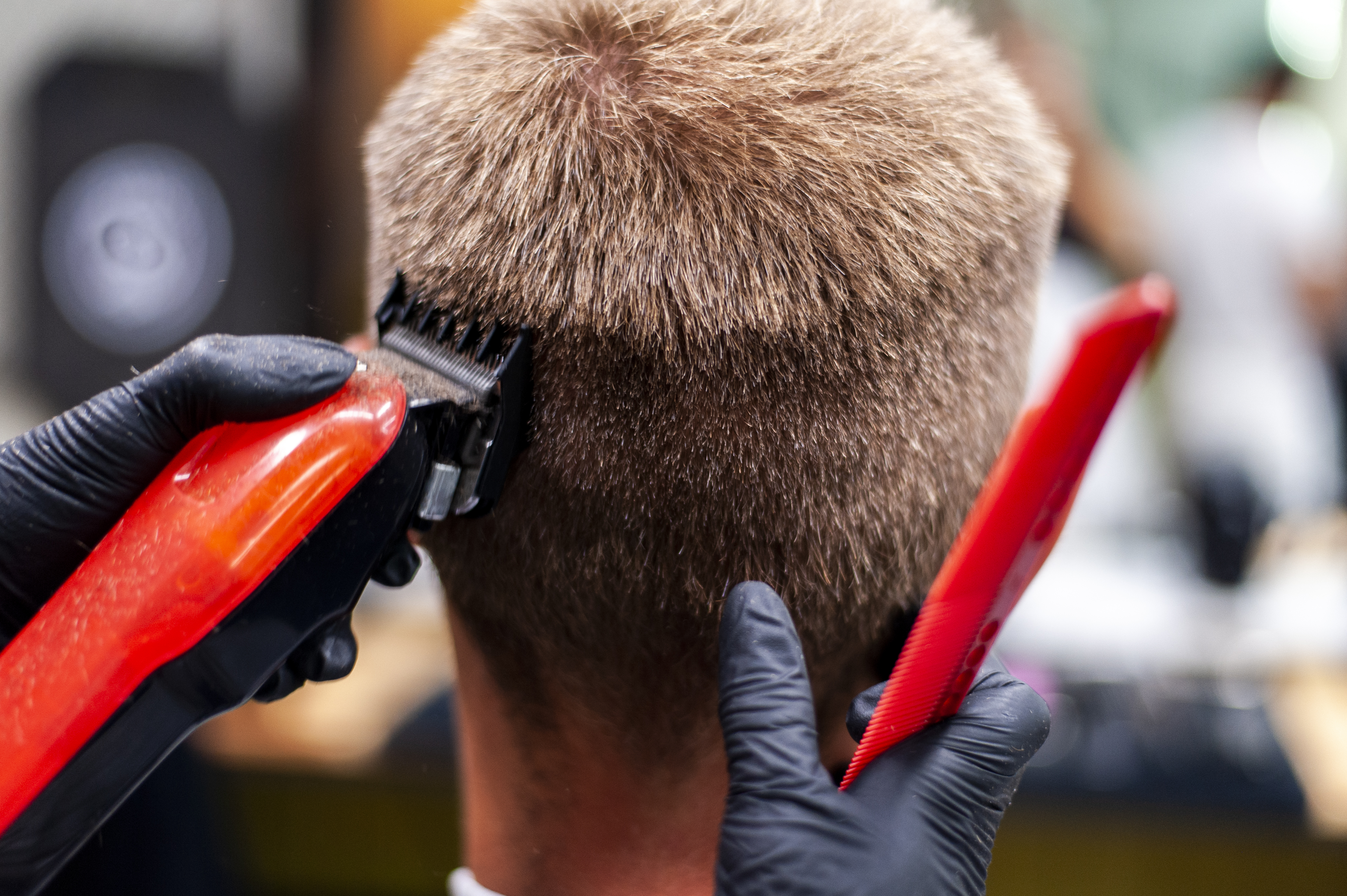
Many people ask the same question: do regular trims help hair grow, or do they slow it down? It sounds strange to cut your hair when you want more length, especially if you have long hair and have been growing it out for years.
But regular trims are one of the simplest ways to keep the ends healthy so your hair can actually reach the length you are aiming for. Let’s discuss this further!
What Trims Really Do For Your Hair
Hair grows from the follicle in your scalp, not from the ends. Cutting hair does not make the roots produce hair faster. What trims do is protect the hair shaft once it has grown out, so damage does not creep up the strand and cause breakage.
When you go too long without trimming your hair, the ends can become dry and start splitting. Those splits can travel upwards, making the whole strand weaker.
Regular trims remove the damaged part, so the length you already have stays stronger and is less likely to snap off. In that sense, trims help you keep more of the growth you naturally get.
Why Split Ends Matter For Growth
Split ends are one of the main reasons hair seems stuck at a certain length. You may feel your hair grow at the roots, but the ends keep breaking, so you never see progress. Preventing split ends is key if you care about healthy hair growth.
Simple hair care habits like gentle brushing, using heat protection during heat styling, and avoiding very tight ponytails already make a difference. Adding regular trims on top of that takes off the weak, thinned-out ends before they can split. Over time, this can make your hair look thicker at the bottom and help it reach a longer length.
How Often Should You Trim?
There is no single rule that fits everyone. How often you need hair trims for long hair depends on your hair type, your styling habits, and how quickly you see damage. As a general guide, many people do well with a small trim every 8 to 12 weeks.
If you have fine hair that breaks easily, or if you use a lot of heat styling, you may need trims a bit more often. If your hair is strong, and you rarely use straighteners or curling tools, you might stretch trims slightly longer, as long as the ends still feel smooth. The goal is to trim often enough that the ends stay neat, not to cut big chunks every time.
Long Hair And Regular Trims
With long hair, the idea of cutting even a small amount can feel stressful. It is easy to think that every trim will undo months of growth. In reality, a light trim of half a centimetre or a centimetre removes older, more fragile hair that is most likely to split.
Hair trimmed in small amounts over time usually looks longer and healthier than hair that has been left untouched for a year and then needs a big chop.
If you are serious about how to get healthy hair growth, it helps to think in terms of maintenance rather than dramatic changes. You keep what you grow by keeping the ends in good condition.
Trims And Layered Haircuts
If you wear layered haircuts, trims become even more important. Layers can make textured hair and straight hair look lighter and more shaped, but the shorter pieces are also more exposed to friction and heat. They can dry out faster than the longer sections.
Regular trims keep the shape of layered haircuts clean, so the layers sit where they should and do not turn into random choppy bits. Even if you do not change the style, asking your stylist to simply tidy the outlines and clean up the ends helps your hair move better and reduces the chance of frayed tips.
The Hair Growth Cycle And Why Patience Counts
Hair grows in stages, known as the growth cycle. Each strand has a growth phase, a resting phase, and a shedding phase. You cannot control that cycle completely, but you can make the most of the growth phase by keeping the hair that is already out of your scalp as healthy as possible.
If you are curious about the full cycle and ways to work with it, read: Hair Cycling Tips to Improve Your Hair Growth Cycle. It explains how different habits support the growth and rest phases. Pairing that knowledge with regular trims helps you focus on both the scalp and the ends, rather than just one part of the picture.
Trims, Hair Loss, And Breakage
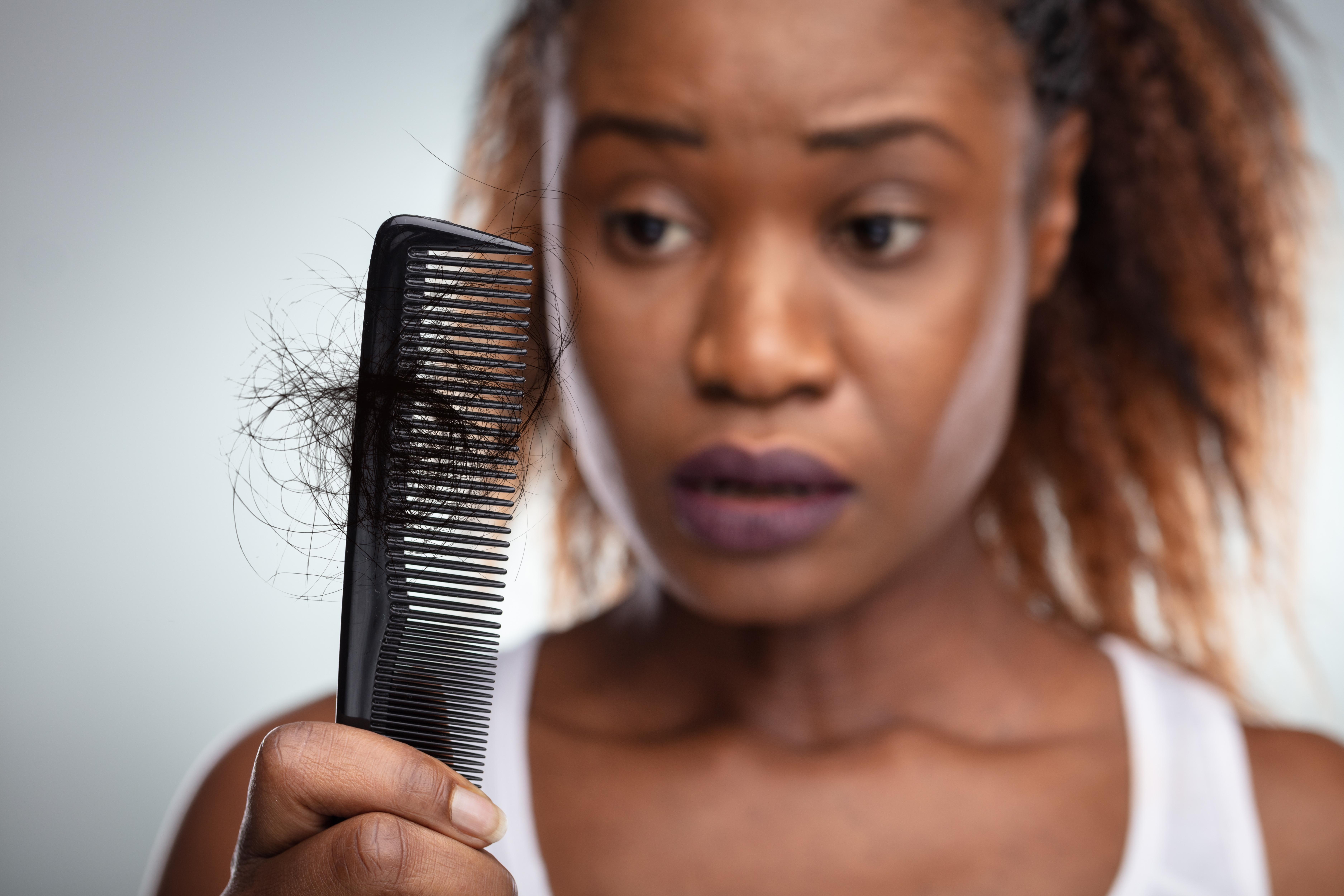
It is important to note that trimming your hair does not stop medical hair loss. If you are losing hair from the scalp, due to hormones, stress or illness, trims alone will not fix that. In those situations, you may need to speak with a doctor or look into professional regrowth treatments.
What trims can help with is breakage along the length. Sometimes people think they have hair loss when in fact the problem is that the hair breaks halfway down and never appears long.
Removing weak ends and improving hair care can reduce that kind of breakage. For more serious concerns, our guide: Best Hair Regrowth Treatments You Can Book Now can give an overview of options that look beyond the ends and focus on the scalp and follicles.
Heat Styling And Why Ends Suffer First
Heat styling is a big factor in how fast ends become damaged. Straighteners, curling irons and very hot blow dryers can dry the cuticle and make the hair shaft rough. The ends, being the oldest part of the hair, feel this first.
If you straighten or curl your hair often, using a heat protectant and keeping the temperature reasonable is important. Even with good habits, regular trims will still help by removing any areas that have gone too dry or brittle. This keeps your hair looking smoother and makes styling results last longer.
Textured Hair And Regular Trims
Textured hair, such as waves and curls, has its own needs. The bends in textured hair can make it more prone to dryness and tangling. If the ends are rough, they catch on each other, and knots and breakage follow.
For textured hair, trims can be spaced slightly differently depending on how tightly your hair curls. Some people prefer dry trims to see the real shape, while others stick with wet trims. In all cases, cutting hair in a way that respects the curl pattern and keeps the ends neat helps the hair hold its shape and makes daily detangling less harsh.
Do Trims Make Hair Grow Faster Or Just Look Better?
It is honest to say that trims do not change how fast your follicles produce hair. Your scalp decides that speed. However, trims can make hair grow to a longer visible length by reducing breakage and keeping the ends solid.
So when people ask if regular trims help hair grow faster, the better way to look at it is that trims help you keep the growth you already get. Healthy hair growth is a mix of good scalp care, good diet, gentle handling and smart maintenance. If you look after all parts, your hair has a better chance of reaching your chosen length.
For support on the internal side and scalp side, read: Top Tips to Boost Hair Growth Naturally for habits that complement what trims do at the ends.
In Conclusion
Regular trims are not about cutting off your progress. They are about protecting it. The right trim schedule depends on your hair type and habits, but almost everyone benefits from some level of planned maintenance.
When you combine regular trims with good hair care and smart support for your growth cycle, you give your hair a better chance to grow long, feel strong and look the way you want.
If you feel like your hair has stopped at a certain length or your ends never look quite right, it might be time for a proper trim rather than another product. You can book a haircut or maintenance trim with our experts today. Let a stylist look at your hair in person and suggest a trim plan that matches your goals.