





Nanoplasty for Coloured Hair: What Stylists Actually Recommend
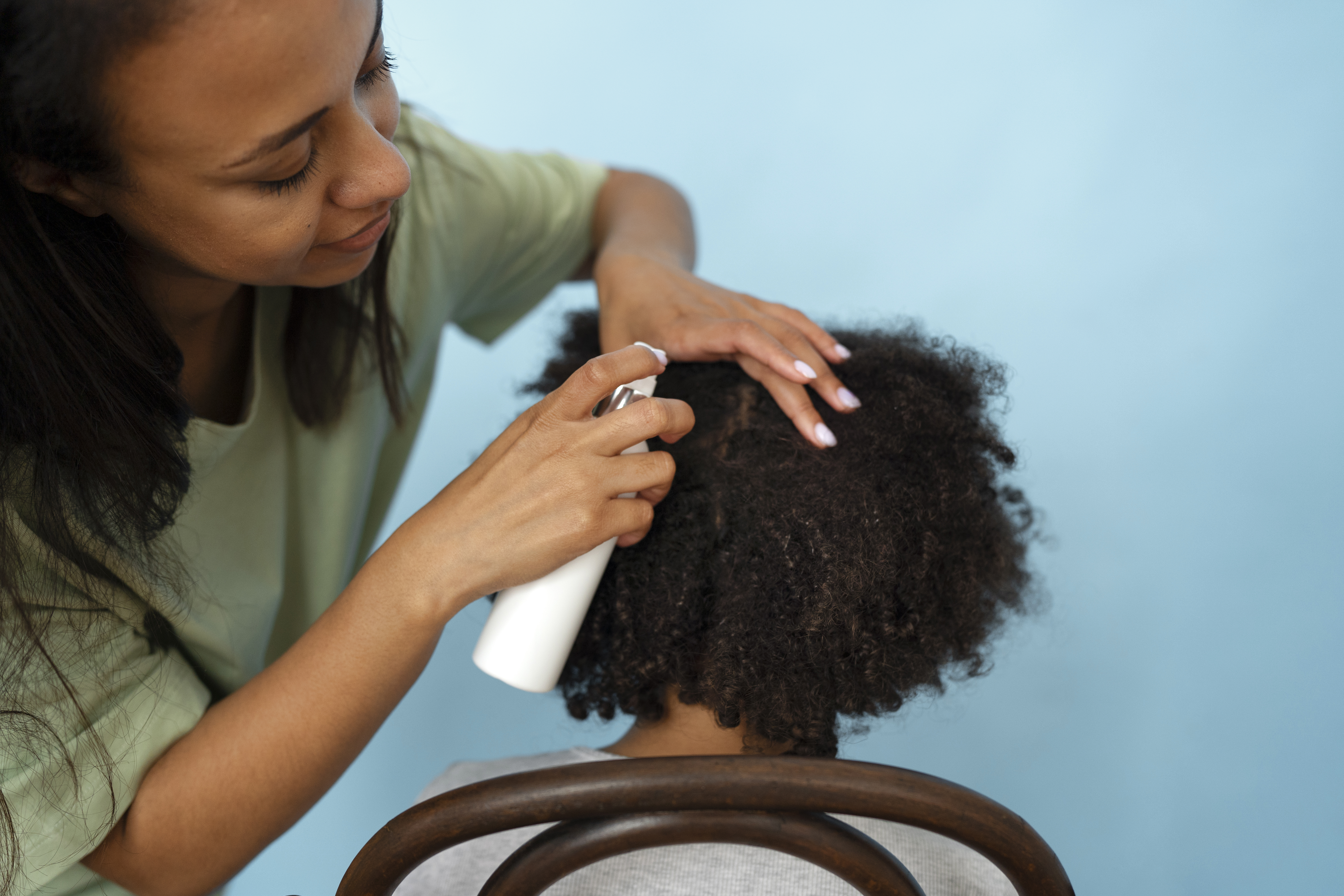
Nanoplasty has become a go‑to smoothing and straightening option in Australian salons, especially for clients with coloured hair who want smoother strands without frying their colour. The nanoplasty process uses ingredients like organic acids and amino acids to reshape the hair and reduce frizz without using harsh chemicals.
For stylists, the key question is not “Is nanoplasty trendy?” but “Is it actually safe and smart for coloured and bleached hair, and who is it best for?”
What Nanoplasty Actually Is
Nanoplasty is a type of nanoplasty hair treatment that smooths and straightens the hair using nano‑sized active ingredients that penetrate deep into the hair, rather than just coating the outside. These ingredients work inside the hair shaft to realign the internal structure, so the hair dries straighter, looks smoother and often feels stronger.
Most salon nanoplasty formulas in Australia are formaldehyde free and avoid the strong fumes linked with some older keratin systems. Instead, they rely on organic acids and amino acids to soften bonds in the hair, then use heat to lock in a new, smoother shape.
Nanoplasty Vs Traditional Keratin Treatment
On the surface, nanoplasty and a keratin treatment can look similar: both are smoothing treatments done in‑salon with a flat iron finish. But traditional keratin treatment formulas have often used formaldehyde or similar harsh chemicals to force the hair straight, which is where many of the eye and throat irritation stories come from.
Nanoplasty is part of the “new keratin generation,” using vegan‑friendly or plant‑based ingredients, organic acids and nourishing oils to smooth the hair fibre with less aggression to the hair cuticle.
For many stylists, it has become the preferred straightening solution for clients with colour, highlights or a more sensitive scalp.
If you want to compare options side by side, read: “Keratin Treatment Service” to see how each treatment is positioned.
Is Nanoplasty Safe For Coloured Hair?
Most Australian salons describe nanoplasty for coloured hair as safe, and in many cases, ideal, because the formulas are designed to respect existing colour and repair dryness. Many brands even have separate formulas for dark hair and blonde or grey hair to protect tone as much as possible.
That said, stylists still warn clients that any strong smoothing treatments can shift tone slightly, especially on very light or porous hair.
Some nanoplasty systems can lighten or soften colour by a couple of levels, particularly on recent toners or fashion shades, so timing your appointment around colouring your hair matters.
What About Nanoplasty For Bleached Hair?
For nanoplasty for bleached hair, the general advice from Australian salons is cautious but positive. Bleached hair is often porous and fragile, so any chemical or heat‑based smoothing treatment has to be handled carefully, with a stylist who understands your hair type and its limits.
Many nanoplasty brands are marketed as safe for bleached or damaged hair because they focus on rebuilding, hydrating and sealing the hair shaft while smoothing curls and frizz.
Some systems even recommend waiting a couple of weeks between heavy lightening and nanoplasty so the hair has time to recover and you avoid stacking too many chemical services at once.
How The Treatment Actually Works In The Salon
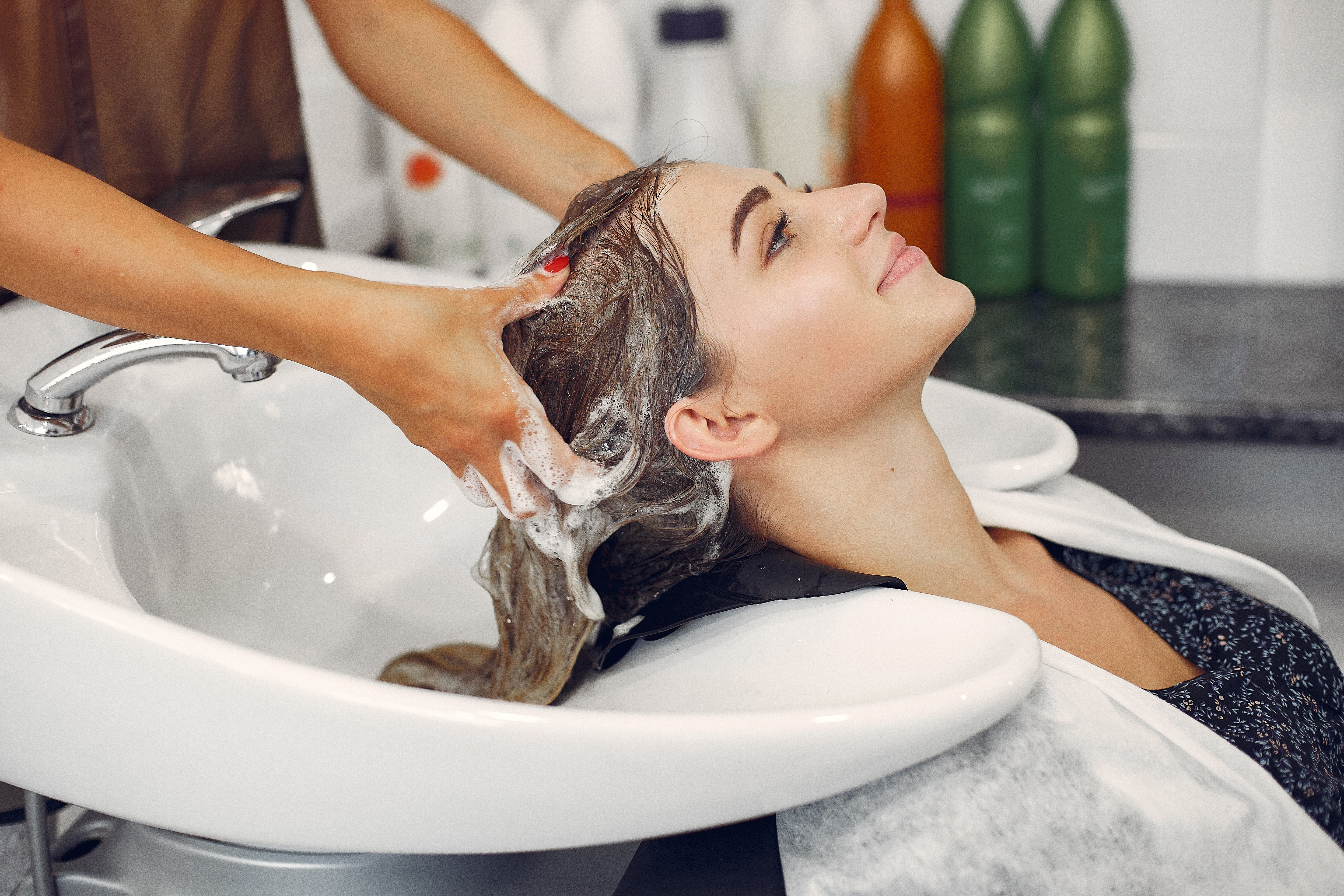
A typical salon visit starts with clarifying or prep shampoo to remove build‑up so the straightening solution can reach the hair evenly. Hair is dried, then the nanoplasty product is applied section by section from roots to ends, worked through according to your hair type and texture.
After the product sits for the recommended time, the stylist blow‑dries the hair smooth and uses a flat iron at a controlled temperature to seal the formula into the hair shaft. This is the step that “locks in” the new shape and sets up those long lasting results clients look for with hair straightening treatments.
What results can you expect on coloured hair?
Most Australian clients see smoother, more manageable hair that air‑dries with less bulk and less frizz, even in humidity. For many, nanoplasty delivers frizz free hair, easier styling and enhancing shine for several months, often somewhere between three and eight months depending on washing your hair, products and lifestyle.
Because the formula can penetrate deep into the hair and work inside the fibre, it does more than just coat the surface, which is why a nanoplasty hair treatment is often sold as a hybrid between smoothing treatments and deep repair.
On coloured hair, that mix of smoothing and deep condition can help close the hair cuticle, cut down on roughness and make colour look more reflective.
Timing Nanoplasty With Colouring Your Hair
Stylists in Australia are quite firm about spacing out strong chemical services. Many recommend having your colour done either a bit before nanoplasty, or waiting several days to a couple of weeks after the treatment before colouring or bleaching again, depending on the brand used and the state of your hair.
Nanoplasty and keratin can sometimes slightly shift tone, particularly on blondes. “Can You Color Your Hair After Keratin Treatment?” has more insights for setting expectations.
For clients who want both smoother hair and a fresh shade, stylists usually start by assessing the hair shaft, recent colour history and hair type, then plan out the order of services to avoid over‑processing.
Proper Aftercare For Coloured Hair
Proper aftercare is what keeps your results and your colour looking good. Most salons suggest sulphate‑free shampoo and conditioner, gentle styling products and regular masks to deep condition and support the treatment.
Heat styling should be kept to a minimum, or done with a heat protectant, because high heat over time can roughen the hair cuticle again and shorten the life of the treatment.
It also helps to protect hair from sun, chlorine and salt water, as these can fade colour and wear down smoothing treatments faster.
Who Is A Good Candidate For Nanoplasty?
Stylists usually suggest nanoplasty for people who:
- Have frizzy, puffy or wavy hair they want smoother and easier to style.
- Have colour or highlights and want a formaldehyde free option that respects their existing colour as much as possible.
- Want long lasting results without going all the way to permanent chemical straightening.
If your hair is extremely over‑processed, breaks easily or feels almost mushy when wet, a good stylist may recommend a period of recovery and intensive care before any strong straightening solution, including nanoplasty. Read “Nano Plastia Hair Treatment Trending in Salons” for extra context on how salons weigh up these decisions.
What Stylists Actually Recommend
- Always book a consultation first, especially if you have recent bleaching, box colour or a history of breakage.
- Be honest about what you have had on your hair in the last 6 to 12 months so the stylist can choose the right formula and temperature for your hair type.
- Space out heavy services like bleaching, nanoplasty and permanent colour to avoid over‑processing.
- Commit to the recommended aftercare routine so your hair stays smooth and your colour holds.
Stylists also stress that nanoplasty is not a magic fix for every situation. It is a strong smoothing treatment that can transform day‑to‑day styling if your hair is suitable, but it still relies on skill, correct assessment and realistic expectations.
In Conclusion
The nanoplasty process for coloured hair can be a smart option if you want smoother, shinier hair without the harsh chemicals that can come with older straightening systems. It works by using organic acids and amino acids to smooth and realign the hair from the inside out, which can be kinder to coloured and even bleached hair when used correctly.
Thinking about nanoplasty or other hair straightening treatments? Book a consultation and treatment online today!