

Why Salons Are Switching to Nanoplasty
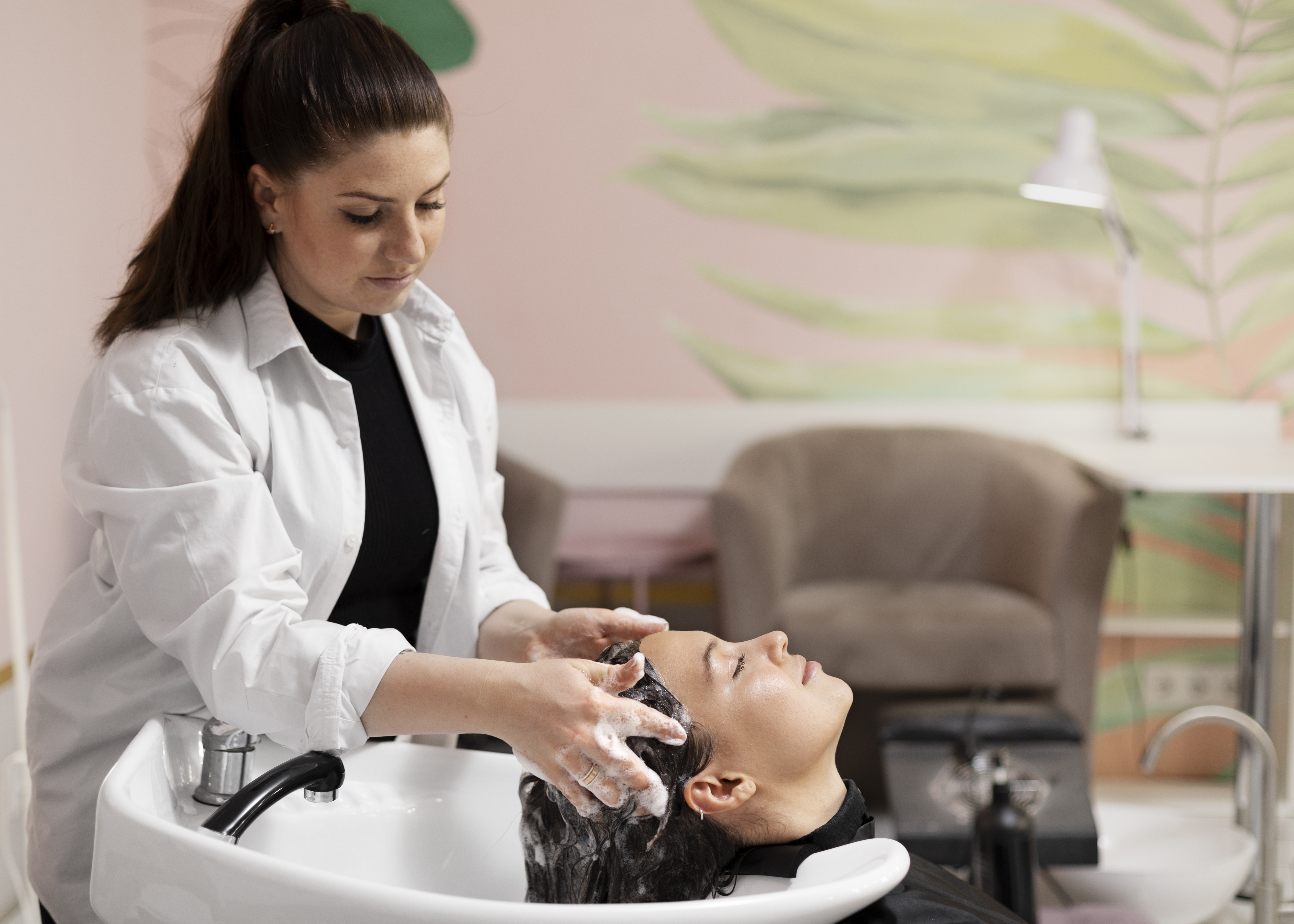
If you’ve spent any time in an Australian hair salon lately, you’ve probably heard the word nanoplasty come up. The nano plastia hair treatment is giving clients the smooth, manageable hair they’ve always wanted without the health concerns tied to older methods.
Salons are noticing. Clients are noticing. And if you haven’t tried it yet, it might be worth finding out what the conversation is about.
What Nanoplasty Actually Is
Nanoplasty is a hair smoothing and straightening treatment that works from the inside out. It uses nano-sized particles, usually made from amino acids and plant-based ingredients, to penetrate deep into the hair shaft.
Once inside, it repairs damage, rebuilds the hair’s internal structure, and leaves it smooth and strong.
The big difference between nanoplasty and older treatments is what’s in the formula. Traditional hair straightening methods often rely on formaldehyde or formaldehyde-releasing chemicals to get the job done. Nanoplasty is formaldehyde free.
That means no harsh fumes, no irritation during the appointment, and a much safer working environment for both the client and the stylist.
It’s also not just a surface treatment. While some smoothing treatments simply coat the outside of the hair strand, nanoplasty actually restores hair health from within. The result is hair that looks and feels genuinely better, not just shinier on the surface.
Why Salons Are Moving Away from Traditional Keratin
For years, keratin treatments were the go-to choice for clients wanting frizz-free, more manageable hair. They do work well. But they also come with a few well-known downsides that both clients and stylists are growing tired of.
Many traditional keratin treatments contain formaldehyde or similar compounds that release fumes when heat is applied during the service.
This creates a difficult working environment for stylists and can be uncomfortable for clients, particularly those with sensitive skin, asthma, or scalp sensitivities.
For an honest look at the concerns around these options, Are Keratin Treatments Bad for You? gives a clear and balanced breakdown worth reading before you decide.
Aftercare is another friction point. After many traditional keratin treatments, clients have to wait three days before they can wash their hair, avoid rain, or even tie their hair back.
Nanoplasty doesn’t have those restrictions. You can wash your hair straight after the service and get on with your day.
And the results tend to last longer too. A nanoplasty treatment can deliver frizz free, smooth results for five to eight months, whereas traditional keratin treatments often fade after two to three months. For salons, that means happier clients who aren’t booking touch-ups every few weeks.
What to Expect During the Appointment
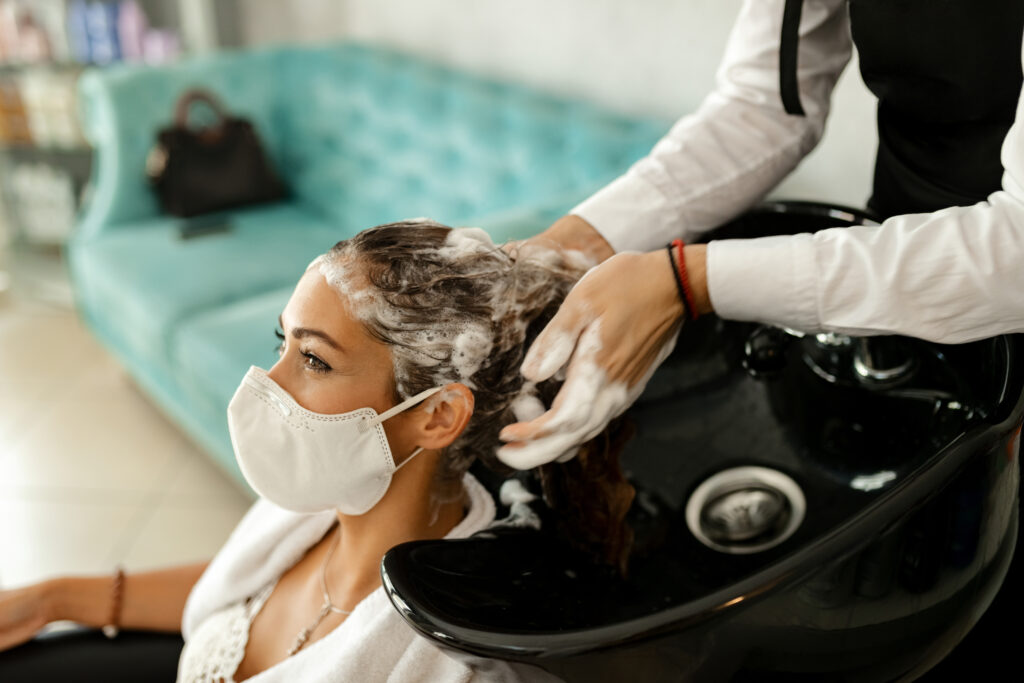
The process itself is fairly simple. A stylist will start with a clarifying shampoo to strip away any product buildup and open the hair cuticle so the formula absorbs evenly. This step matters regardless of your hair length, whether you have a short bob or long hair past your shoulders.
The nanoplasty formula is then applied section by section from root to tip. A flat iron is used to seal the treatment deep into each strand.
The heat locks in the formula and activates the smoothing effect. This is also why your stylist will recommend using a heat protectant regularly on your treated hair after the appointment.
The whole process takes two to five hours depending on how thick or curly your hair is. Curly hair or very dense hair may take longer, as each section needs careful, even application. Most clients see an immediate difference once it’s done.
If you’re still deciding between options, the Best Protein Treatment for Hair in Salon guide is a helpful read before you book. It walks through the different treatment types and what each one is best suited for.
Is It Right for Your Hair Type?
One of the reasons nanoplasty hair treatment has caught on so quickly in Australian salons is how versatile it is. It works on a wide range of hair types, including curly hair, wavy hair, and previously coloured or chemically treated hair.
Because it avoids harsh chemicals, it’s also a solid option for people with sensitive skin or scalp sensitivity who’ve had reactions to older formulas.
It’s worth being clear on one point though. Nanoplasty does not permanently straighten hair. Results grow out gradually over several months, which is actually something most clients prefer.
There’s no sudden return to frizz or an obvious line of regrowth. The hair simply eases back to its natural texture over time.
For reference on what a modern salon service looks like, the Keratin Treatment Service resource gives a good sense of what professional smoothing treatments involve.
How to Look After Nanoplasty Results
Post-treatment care is straightforward. The main things to focus on are using a sulfate free shampoo and staying away from products with harsh chemicals that can break down the treatment faster than expected.
A sulfate-free shampoo acts as a gentle free shampoo option that keeps the hair cuticle smooth and the treatment intact.
Avoid using a clarifying shampoo too frequently after the service. Clarifying formulas are designed to strip the hair, and using them often will shorten how long your results last.
When you wash your hair, lukewarm water is better than hot. Air drying is also gentler than heat styling when you can manage it.
For a full guide on which products work best, Best Shampoo for Keratin Treated Hair covers the key ingredients to look for and which ones to avoid so your results stay smooth for as long as possible.
In Conclusion
Nanoplasty has earned its place on salon menus across Australia because it delivers real results without the health concerns or aftercare headaches of older hair straightening methods.
It’s a practical choice for clients who care about their hair health and for salons that want to offer a safer, more effective smoothing treatment.
Ready to see the difference for yourself? Book your nanoplasty appointment and walk out with smooth, healthy, manageable hair.