






Split Ends: What They Are & How to Prevent Them
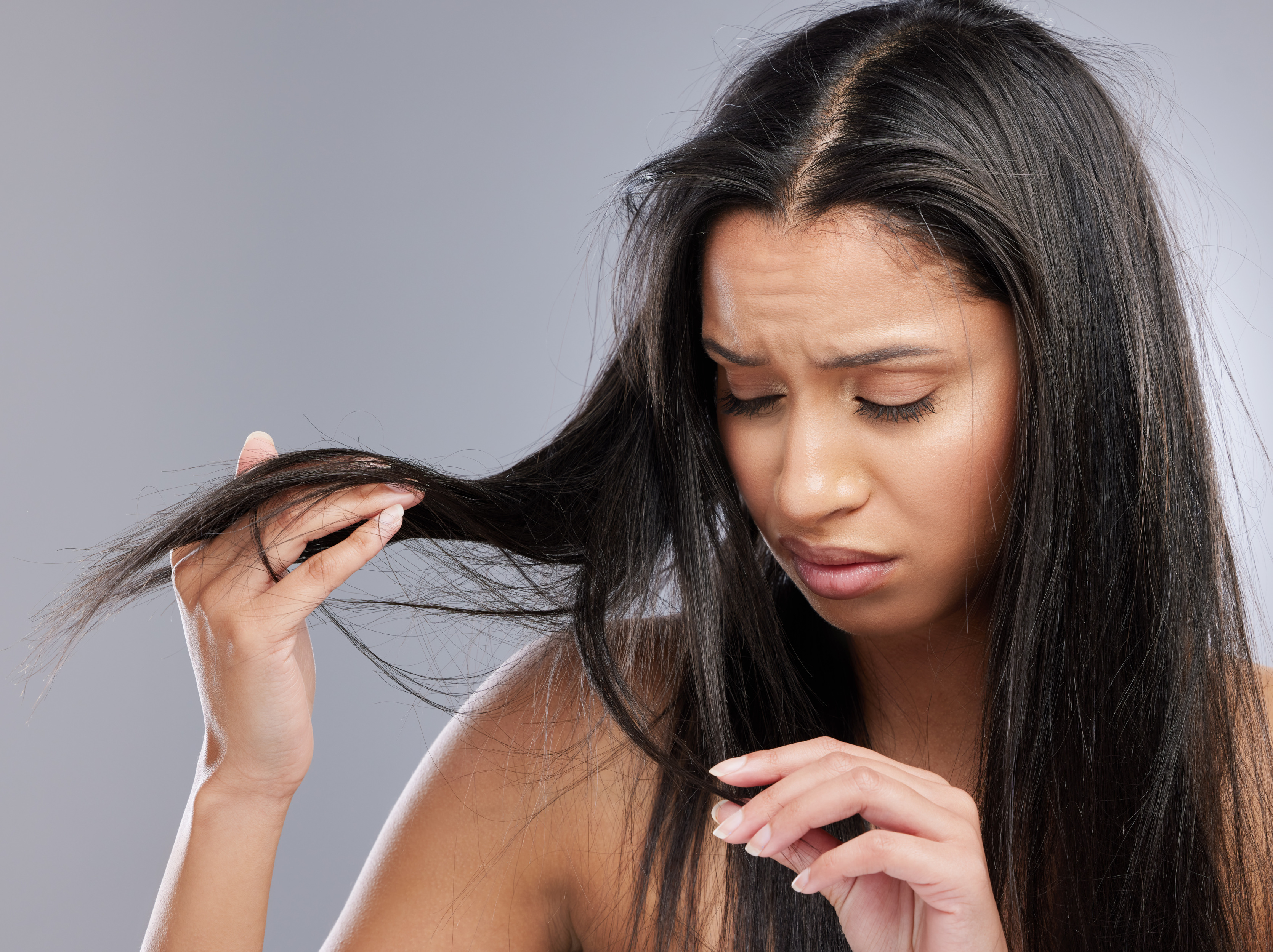
Split ends are one of the most common hair complaints. If you’ve been wondering how to stop split ends from ruining your hair, you’re not alone. Most Australians deal with them at some point, whether from the harsh summer sun, over-styling, or just not knowing what their hair actually needs.
The good news is that once you understand what’s going on, it’s pretty easy to change a few habits and see a real difference.
What Are Split Ends?
A split end happens when the tip of the hair strand frays. The outer layer of the hair shaft (called the cuticle) gets worn down over time. When it breaks down enough, the inner part of the hair splits into two or more pieces.
You’ve probably seen them: those wispy, frayed bits at the ends that make your hair look rough and uneven.
These are sometimes called the dead ends of hair, and that’s basically what they are. Once a strand splits, it can’t repair itself. The split can also travel up the shaft if you leave it alone, which makes things worse.
Why Do Split Ends Happen?
There’s no single cause. Usually it’s a combination of things building up over time.
Heat styling is a big one. Straighteners, curling wands, and blow drying on high heat all strip moisture from the strand. Without enough moisture, hair becomes brittle. Heat damage weakens the cuticle, making it far more likely to crack and split.
Dry hair in general is more prone to splitting. If your hair already lacks moisture, whether from genetics, the climate, or your hair care habits , it’s going to be more fragile. Living in a dry Australian climate or spending a lot of time outdoors doesn’t help either.
Chemical treatments are another factor. Bleaching, colouring, perming, and relaxing all affect the structure of the hair. Done too frequently or without the right aftercare, they leave fragile strands that snap and split easily.
Wet hair is also more vulnerable than most people realise. When hair is wet, it stretches further than usual. Brushing or roughly towel dried hair , especially rubbing with a regular towel , can cause serious hair breakage before the hair is even dry.
How to Prevent Split Ends
Preventing split ends is really just about being gentler with your hair and giving it what it needs. Here’s what actually makes a difference.
Use Heat Protection
If you’re heat styling regularly, heat protection spray is non-negotiable. Apply it every single time before using hot tools. It creates a barrier between the heat and the hair shaft, reducing the chance of heat damage. This one step alone can make a big difference , especially for people who straighten or curl their hair a few times a week.
For those with curls, the approach to repair damaged hair can be a bit different. This guide on How to Fix Damaged Curly Hair with Expert Repair Tips is a helpful read if your curls have been through a rough patch.
Try a Hair Mask
A good hair mask used once or twice a week adds moisture and strength back into the strand. Look for masks with ingredients like keratin, argan oil, or shea butter. Leave it on for at least 10–20 minutes before rinsing. A proper deep conditioning treatment goes even further. It penetrates the shaft and helps reinforce the structure of the hair from the inside out.
Handle Wet Hair Gently
After washing, swap your regular towel for a microfibre towel or an old t-shirt. Pat the hair dry rather than rubbing. This reduces friction and helps protect those fragile strands from snapping. Use a wide-tooth comb rather than a brush, and start from the ends, working your way up.
Switch to Silk Pillowcases
Silk pillowcases cause far less friction than cotton ones. That nightly rubbing against a rough pillowcase adds up over time and can contribute to hair breakage and split ends. A silk or satin pillowcase is a simple swap with a real payoff.
Cut Back on Chemical Treatments
This doesn’t mean you have to stop colouring your hair altogether. But spacing out chemical treatments and always following up with proper aftercare makes a huge difference. If you’re regularly bleaching or relaxing, talk to your stylist about a schedule that gives your hair time to recover in between.
Build a Consistent Hair Care Routine
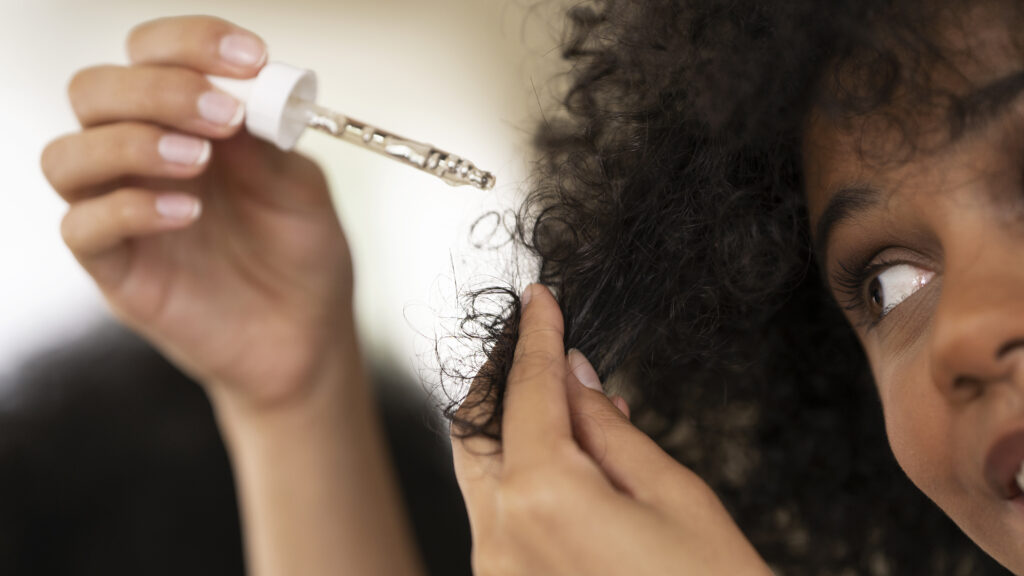
Preventing split ends isn’t about one product or one change. It’s about consistency. A solid hair care routine that includes regular trims, moisturising products, and gentle handling will keep your ends in much better shape long-term.
Protecting your hair from the sun, wind, and salt water when you’re outdoors also helps, especially during an Australian summer.
If your split ends are already quite severe, or you’re dealing with hair breakage on top of damaged ends, it’s worth reading more about How to Address Hair Breakage and Hair Loss. It covers what’s actually causing the damage and how to approach it properly.
And if you’re not sure where to go for hair treatments or professional advice, it helps to know what to look for. This article on How to Choose the Best Hair Salon for Hair Care walks you through what matters when picking a salon you can trust.
When Should You Talk To A Hairstylist About Split Ends?
If you’ve tried to repair broken hair at home and aren’t seeing results, a professional trim or treatment might be the right move. Sometimes the damage is too far along for at-home fixes, and a stylist can assess what your hair actually needs.
Regular trims , even just a centimetre or two every six to eight weeks, remove the split ends before they travel further up the shaft. It’s one of the most effective ways to prevent split ends from coming back.
In Conclusion
How to avoid split ends long-term really comes down to this: be consistent, be gentle, and don’t skip the basics. Heat protection, moisture, regular trims, and careful handling will take you a long way.
Ready to give your hair some proper attention? Book an appointment with the team at Intaglio Hair and get advice tailored to your hair type and concerns.