


Hair Colours for Curly Hair to Bring Out the Beauty of Your Curls
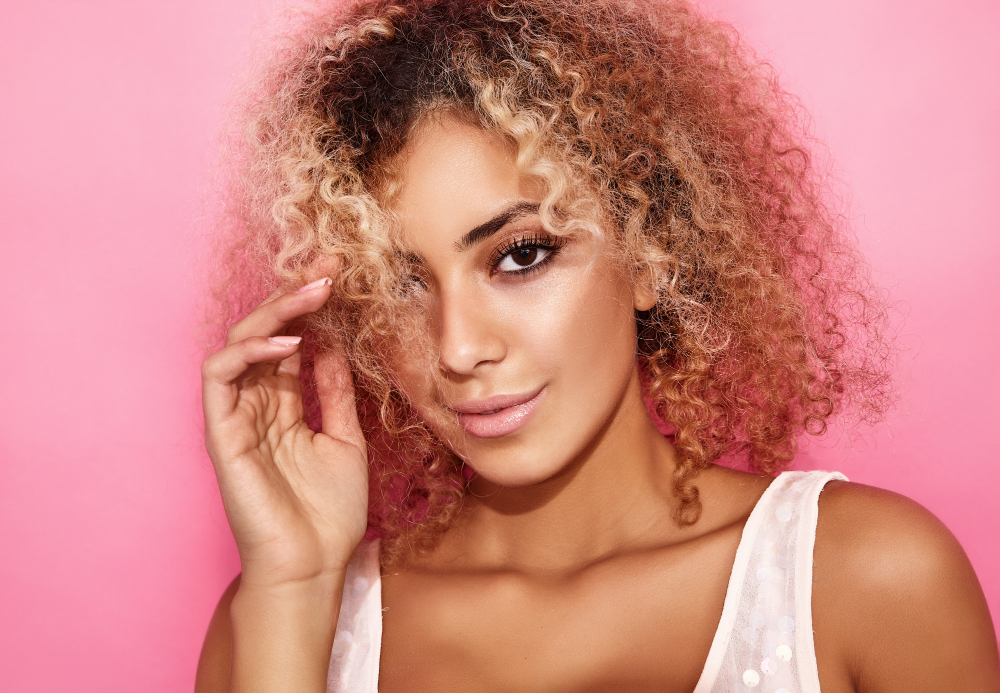
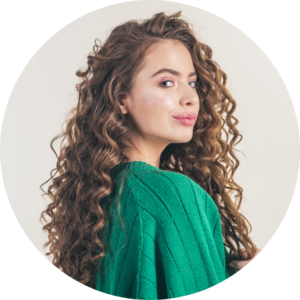
The best hair colour ideas for curly hair work with your natural pattern instead of covering it up. Colour can bring more depth to curls and highlight their shape to make your overall style feel brighter. But curly hair needs a careful approach because lightening and colouring can affect moisture, softness and definition.
The right colour is not only about choosing blonde, brunette, copper or red. Placement matters just as much. Curls reflect light in different directions, so a colour technique that looks subtle on straight hair may look much stronger once it moves through a curl pattern.
Start With Your Curl Pattern
Every hair type responds differently to colour. Loose waves, ringlets, coils and tighter curls all have their own movement and texture. That is why a colour consultation matters before any lightening service.
A stylist should look at things like your natural curl, current colour, previous colour history and the condition of your hair. They should also ask how you usually wear your curls. Do you use a diffuser attachment or regularly straighten your hair? These details affect where colour will be placed and how it will appear.
Colour can make curls look fuller by adding contrast between sections. But too much contrast, especially with very light pieces, can make curls look dry or less defined. A softer blend usually gives a more natural result and is easier to maintain.
For everyday care before and after a colour service, Hair Tips for Curly Hair covers practical ways to cleanse and style curls without weighing them down.
Balayage For Soft Dimension
Balayage is one of the most popular curly hair colour ideas because it creates a softer, blended result. Rather than placing colour in strict lines from root to end, the stylist paints lighter pieces through selected areas of the hair.
For curls, balayage can be placed around the face, through the outer layers and toward the ends. This lets the lighter pieces catch the light when your hair moves. It can also avoid the obvious regrowth line that comes with some traditional highlighting methods.
Professional balayage placement is often customised to individual curl sections, with colour applied where brightness will enhance the overall shape. This matters because curls do not sit flat, even layers. A stylist who understands curly hair colour can place lightener where it will show without creating random patches.
Caramel, honey, warm beige and soft golden tones can work beautifully on brown or dark blonde curls. If you have naturally dark hair, subtle warm pieces may be easier to maintain than a major lift to very light blonde hair.
Highlights That Follow The Curl
Traditional highlights can still work for curly hair, but they need careful placement. Fine highlights can add brightness close to the roots and give the hair a more noticeable colour change. Chunkier highlights can create a bolder look, especially on defined curls.
The important part is following the curl direction. Colour placed without considering the curl’s movement can look uneven once the hair dries naturally. A skilled stylist will look at how each curl falls and plan the placement accordingly.
Some curly girls like bright pieces around the face because they create a softer, sunlit effect. Others prefer colour through the ends to keep the root area darker and lower maintenance. There is no single right choice. The best hair colour curly approach is one that matches your skin tone and your personal style.
If you want support from a stylist who understands curl patterns and texture, Why Curly Hair Clients Choose Our Curly Hair Stylists explains why curl-specific consultation and technique make a difference.
Blonde Curls Need Extra Moisture
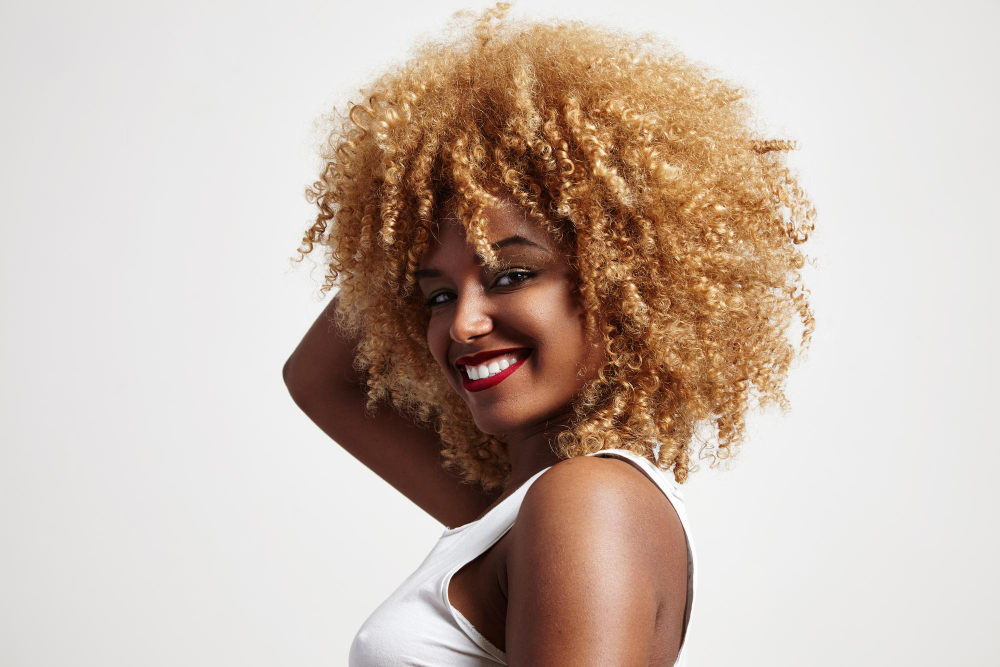
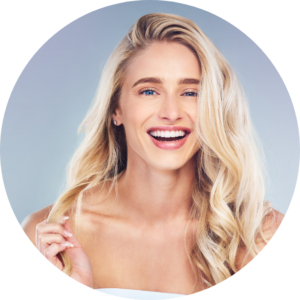
Blonde hair can look striking on curls because it shows off their shape and gives them a lighter, brighter appearance. But going blonde often requires lightening, and lightening can make curly hair feel drier. Curls are already more prone to dryness because natural oil takes longer to travel from the scalp down the hair shaft.
If you want a blonde result, consider building the colour gradually. A few light pieces at each appointment can be kinder to the hair than trying to reach a very pale shade in one session. A professional stylist may recommend a bond-supporting treatment, lower lift or a different tone if your hair is already fragile.
After lightening, a regular hair mask can help restore softness and manageability. Use shampoo and conditioner made for coloured hair, and add a leave-in conditioner while the hair is still wet. This can help reduce dryness and improve slip when detangling.
Avoid brushing dry curls. Use wide tooth combs or your fingers while the conditioner is in your hair, then gently work from the ends upward. This helps reduce breakage and avoids pulling apart your natural curl pattern.
Brunette, Copper And Red Curl Colours
You do not have to go blonde to make curls stand out. Rich brunette shades can make dark curls look glossy and defined. Espresso, chestnut, chocolate and mocha tones add depth without a dramatic change.
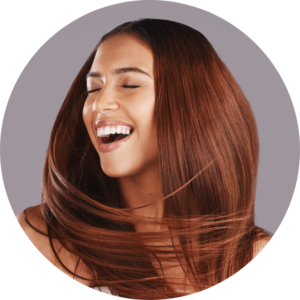
Copper and warm red shades can also look beautiful on curly hair. They reflect light easily and can bring warmth to the complexion. Copper can be softer, such as a warm cinnamon tone over brown hair, or more noticeable with brighter ginger and auburn shades.
Red tones do fade faster than many other shades, so they need regular care. Use cooler water when washing your hair and choose colour-safe hair products. Limit frequent heat styling, which can contribute to dryness and make colour fade more quickly.
For many curly hair colour ideas, a gloss or toner can be a good first step. It can refresh your natural shade, add shine and adjust unwanted warmth without the commitment of a full lightening service.
Colour Placement Can Create Volume
Colour can change how full your hair appears. Lighter pieces placed around the crown and through the outer layers can add the illusion of dimension. Deeper pieces underneath can make curls look more layered and give the style visual depth.
This can be useful for people with fine or thin curly hair. A well-shaped haircut combined with thoughtful colour placement can make the hair look more balanced without relying on heavy styling products. If volume is your main goal, Volume-Boosting Haircuts for Thin Curly Hair offers ideas to discuss with your stylist before your next appointment.
Remember that colour alone will not create volume. A good cut and gentle styling are also important. Lightweight mousse, curl cream and a curl refreshing spray can help support shape between wash days without making curls feel stiff.
Protect Your Curls After Colour
Colour-treated curls need moisture, but they also need a simple routine. Start with a gentle shampoo and conditioner suited to your hair texture and colour needs. Then apply a leave-in conditioner to soaking wet hair before styling products.
Try to minimise heat styling where possible. If you use a diffuser attachment, choose a low or medium heat setting and keep it moving. A diffuser can help dry curls without disrupting your curl pattern, but too much heat can leave colour-treated hair dry over time.
When you air dry, avoid touching your hair too much while it sets. Constant handling can cause frizz and separate curl clumps. Once your hair is fully dry, you can gently soften any crunchy product cast with a small amount of lightweight oil or serum.
Coloured curly hair also benefits from regular trims. Removing dry or split ends helps curls hold their shape and keeps the colour looking fresher. If you spend time in the Australian sun, wear a hat when possible and use UV-protective hair products to help reduce fading.
Bring Reference Photos To Your Consultation
Save a few images of colour for curly hair that you genuinely like. Try to choose photos with a curl pattern and starting colour similar to yours. A picture of straight hair can still show a colour tone you like, but it may not show how the placement will translate to your curls.
Tell your stylist how much maintenance you are comfortable with. If you want to visit the salon only a few times a year, a soft balayage or soft highlights may suit you. If you enjoy regular toner appointments and want a bigger colour change, brighter blonde or copper may be possible with the right care.
Also be honest about your past services. Box dye, henna, bleach, smoothing treatments and permanent colour can all affect what is safe to do next. A clear history helps your stylist protect your curl pattern and plan a realistic result.
In Conclusion
The best hair colour ideas for curly hair enhance the movement and shape that already make curls special. Balayage, soft highlights, rich brunette tones and warm copper shades can all work well when the placement respects your natural texture. If you are ready to find a colour that brings out your curls, book a curly hair colour consultation with our hair experts today.