



Types of Hair Layers Explained: How to Ask for the Right Layered Haircut

Getting a layered haircut sounds simple enough. But sit in the salon chair and your mind goes blank. You know you want something, just not how to ask for it. We break down the different types of hair layers, what they actually do, and how to talk to your stylist so you walk out happy in this article.
What Are Hair Layers, Exactly?
Hair layers are when sections of your hair are cut to different lengths. The top or outer sections are cut shorter, and the underneath sections stay longer. This creates movement, shape, and dimension that a single-length cut just can’t give you.
Layered hair doesn’t mean the same thing for everyone. A short textured crop uses layers differently than a long flowing style. That’s why knowing the types matters before you book your appointment.
The Main Types of Hair Layers
Long Layers
Long layers for hair are the simple option. The difference between the shortest and longest sections is gradual because there’s no dramatic step. It’s a great starting point if you’ve never had layers before, or if you’re growing your hair out and don’t want to lose length.
Long layers add movement without removing much weight. They work well for straight hair, wavy hair, and even curly hair. Basically anyone who wants a bit of life in their hair without a drastic change. If your hair falls flat and heavy, this is often the first fix a good stylist will suggest.
Short Layers
Short layers sit closer to the crown. They create lift at the roots and more defined texture near the top of the head. This is a bolder choice and you’ll notice the change immediately.
These work really well if you have thick hair and need to reduce bulk, or if you want a choppier, more textured result. A shorter layer near the crown can make even dense hair feel lighter and easier to manage. The downside? If you change your mind, it takes time to grow them out.
Face Framing Layers
Face framing layers cut around the front of your hair that draw attention to your face. They can be simple (just a few soft pieces around the cheekbones) or dramatic (shorter sections that frame your whole face like curtain bangs do).
These layers suit almost all face shapes. They can soften a strong jawline, add width to narrower faces, or draw the eye upward on a rounder face. The technique just adjusts slightly depending on your texture (for curly hair, wavy hair, or straight hair).
Textured Layers
Textured layers are cut using techniques like point cutting or razor work, which creates a broken, lived-in finish rather than clean lines. This is what gives a cut that “effortless” look which is slightly undone, but intentional.
If you love styles that don’t look too polished or structured, ask for textured layers. They work especially well if you want to add movement without adding too much volume. They’re also great for natural texture. The cut works with what your hair already does, rather than fighting it.
Choppy Layers
Choppy layers are more dramatic and visible. They create strong separation between sections, giving a bold, edgy result. Think: wolf cuts, shag cuts, or anything with a lot of personality.
For something like a shag, the choppy layering is part of what makes the whole look work. If you’re curious about that style, it’s worth reading about Modern Shag Haircuts with Boho Flair to get a feel for what choppy layered cuts actually look like in practice.
Matching Layers to Your Hair Type
Fine Hair
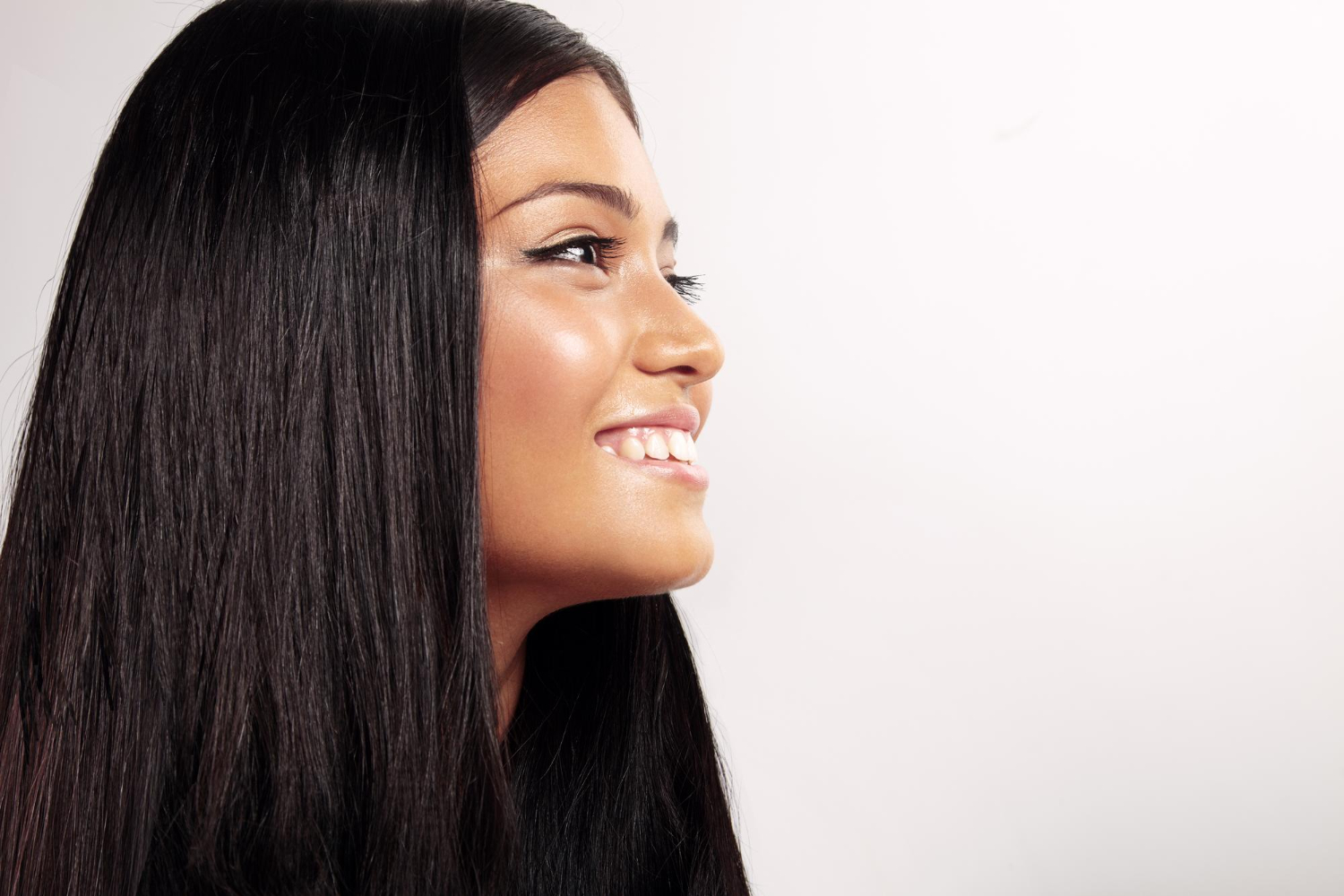
Fine hair or thin hair can look flat without the right cut. The instinct might be to load it up with lots of layers, but that can actually make it worse .Too much layering leaves ends wispy and sparse.
For fine hair, subtlety is key. Long layers that add volume without thinning the ends work best. Internal layers (where the layering happens underneath, not visible on the surface) are another smart option.
You can read more about this in 7 Best Haircuts for Fine Straight Hair, which covers this really well. Avoid blunt cuts if your hair is already flat, as they can weigh it down even more.
Thick Hair
Thick hair is easier to work with in terms of layers as most options suit it. The goal here is usually to remove bulk and add movement. Short layers, textured layers, and choppy layers all help with this.
If your hair is both thick and wavy, layers can completely transform how manageable your hair feels day-to-day. They let the waves sit better and stop your hair from becoming one solid heavy shape.
Curly Hair
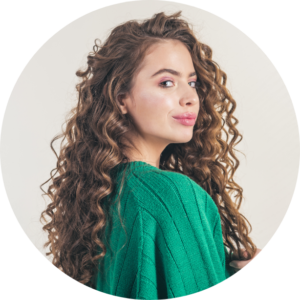
Curly hair needs special attention with layers. The wrong cut can create a triangle shape which is wide and puffy at the bottom. Rounded layers that preserve the shape of the curl work best. Avoid thinning the ends too aggressively, as curls need weight to form properly.
A curly shag is one option worth considering as the layers are strategic, and the cut enhances the natural texture rather than trying to tame it.
Wavy Hair
Wavy hair responds really well to most types of layers. Long layers let waves flow freely. Choppy layers can turn loose waves into a more textured, statement-making style. Textured layers help define wave patterns and stop wavy hair from looking shapeless as it grows.
Hairstyles Short Layered
Hairstyles short layered , like pixie cuts, layered bobs, or shaggy crops , use layers to add shape and dimension within a smaller amount of hair. When there’s less length to work with, every layer counts. Done right, a short layered cut can be striking and low maintenance.
Long Layered Styles
For longer hair, layers are less about structure and more about movement. You can explore a full range of options in Haircuts and Hairstyles for Long Hair, which goes into what works at different lengths and textures.
How to Ask for the Right Layers
Knowing what you want is half the battle. Here’s what to tell your stylist:
- Bring a photo. This removes the guesswork. A reference image is worth more than five minutes of explaining.
- Describe your goal, not just the cut. Say “I want more movement” or “I want less bulk” rather than just naming a layer type. Your stylist can figure out the technique from there.
- Tell them about your routine. Do you blow dry every morning, or do you air dry and go? This changes what cut makes sense for your lifestyle
- Mention your texture honestly. If your hair is fine hair that tends to flatten, say so. If it’s thick hair that won’t sit flat, say that too. Your stylist needs the full picture.
- Ask what they recommend. A good stylist will tell you what will and won’t work for your hair. Trust their opinion on your texture and face shapes.
One last thing: blunt cuts and layered cuts aren’t mutually exclusive. You can have a blunt perimeter with layers inside. Many styles use this combination to get the best of both worlds. Layers don’t have to mean a dramatic, shaggy result. They can be totally invisible and still make a real difference to how your hair moves and sits.
In Conclusion
If you’ve been sitting on the fence about trying layers, this is a good time to just go for it. A consultation with your stylist before the cut is always worth doing. Bring your photos, talk through your hair type, and ask what they think will suit you. Book your appointment and let one of our stylists help you find the right layered look for your hair.