



How Different Hair Type Affects Colour Results
Getting the colour you want is not only about choosing a shade from a box or showing a photo at the salon. Your starting point matters just as much. These tips hair colour specialists often give can help you understand why the same formula may look warm on one person and cool on another.
Hair texture, thickness, porosity, previous colour and natural pigment all affect the final result. That is why two people can use the same shade and still leave with noticeably different hair.
Colour reacts to the condition of the hair already on your head. Before colouring your hair, it helps to understand what your hair type needs and what a realistic result looks like.
Your Natural Colour Matters
Your natural hair color is the base that influences every colour service. Darker hair contains more underlying warm pigment, while lighter hair has less. If you begin with black or dark brown hair, moving to a lighter shade often exposes red, orange or gold tones along the way.
This is not necessarily a mistake. It is part of the lifting process. The deeper your natural colour, the more warmth may appear when lightening. A colourist may need to use toning products or more than one appointment to reach a cool blonde, soft caramel or lighter brown result safely.
If you have never coloured your hair before, your stylist is working with virgin hair. Virgin hair can be more predictable than heavily treated hair, but that does not mean every section will react exactly the same. The hair around your face may lift faster than the back, while ends can behave differently from new growth.
Understanding levels and undertones is useful before choosing a new shade. Colours Hair Color Chart: Understand Hair Tones & Levels explains how salon colour charts use depth and tone to plan a result that suits your starting point.
How Texture Affects Colour
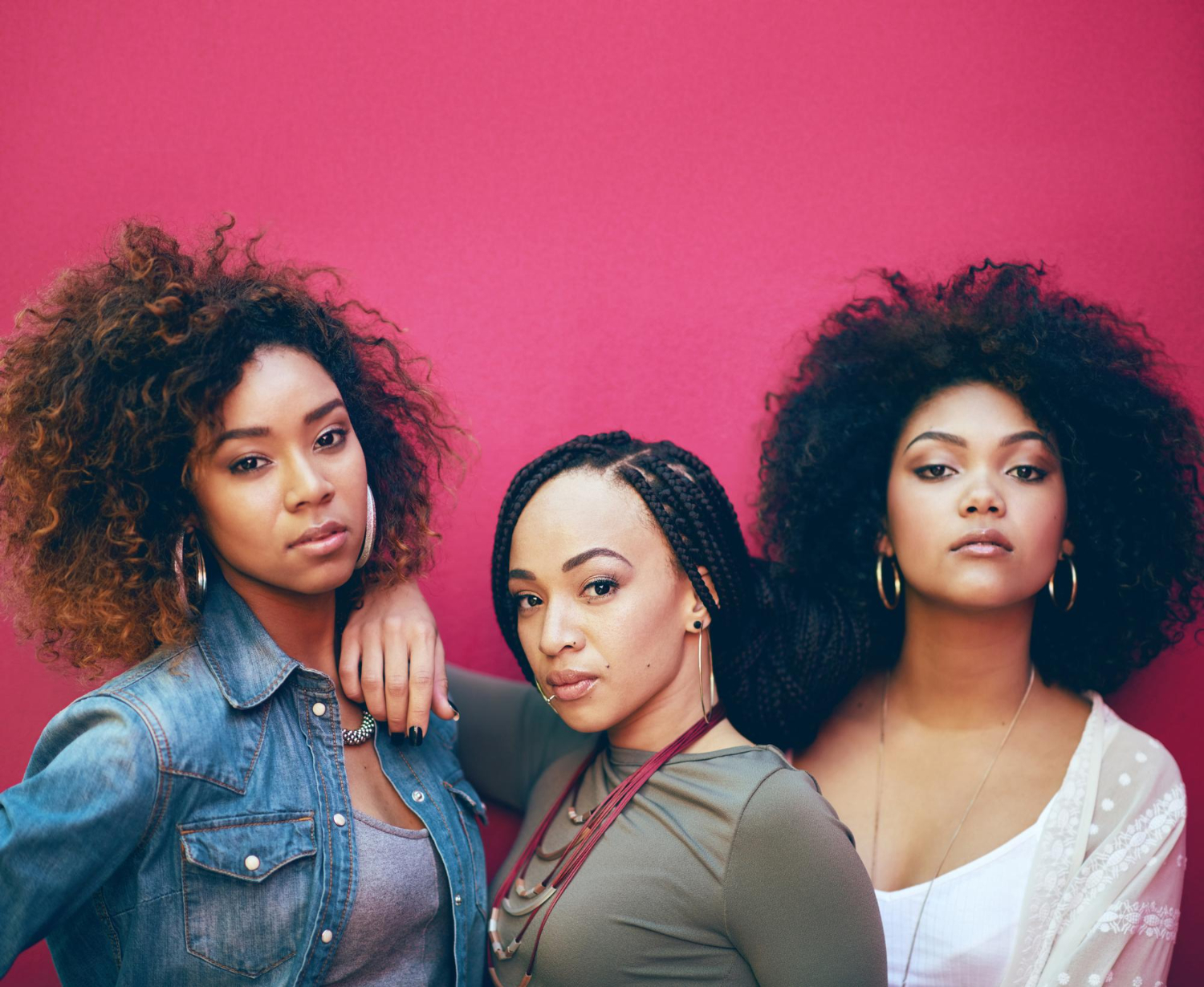
Many people ask, how does hair texture affect hair color? Texture can change how colour absorbs, develops and reflects light. Straight hair often shows colour clearly because light reflects evenly along the surface.
Curly and coily hair can make colour look deeper or more dimensional because the bends in each strand reflect light in different directions.
Fine hair may process colour faster because individual strands are smaller. This means it can take colour quickly, but it may also become over-processed if the formula is too strong or left on too long.
Coarse hair can be more resistant, especially around the hairline and through stubborn grey hairs.
Porosity matters too. Hair with raised or damaged cuticles absorbs colour faster, but it may also fade sooner. Bleached ends, sun exposure, regular heat styling and chemical treatments can all increase porosity.
This is why previously coloured hair may look uneven after a new colour service if the formula is applied in the same way from roots to ends.
Thick Hair Needs A Different Approach
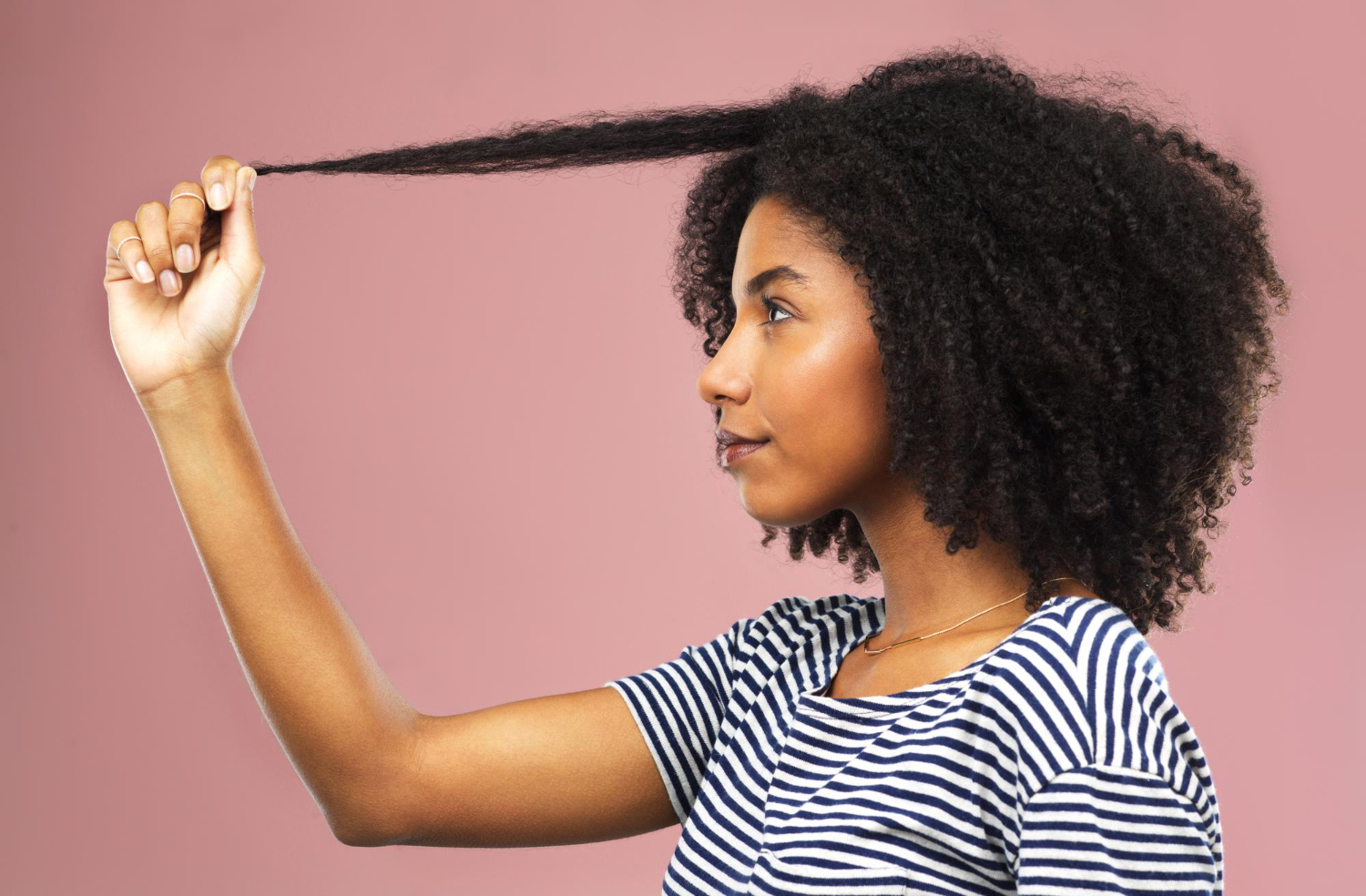
Thick hair does not always mean coarse hair, but it does mean there is more of it to colour. If colour is not applied carefully, some areas may be missed or may not receive enough product. This can lead to patchy results or darker areas underneath and uneven coverage at the back of the head.
For full coverage, hair should be divided into manageable sections of hair. Working in clean, even sections helps ensure every strand is saturated. This applies whether you are at a salon or attempting hair at home.
A stylist may also consider the density of your hair when planning the amount of product and processing time. Thick hair does not automatically need a stronger formula, but it often needs careful application and enough product to avoid dry patches. Hair Colouring Tips for Thick Hair From Our Hair Stylists offers practical advice on sectioning, preparation and colour application for dense hair.
Fine Hair And Fragile Hair
Fine hair can create bright, even colour results, but it needs a gentle approach. It may lift quickly during lightening and can become dry if colour overlaps onto already processed areas. This is especially important if you regularly bleach or highlight and tone your hair.
Repeatedly colouring the same lengths can damage your hair, even if you are using salon-quality products. A colourist may focus permanent colour only on regrowth, then refresh the mid-lengths and ends with a gloss or gentler toner. This helps maintain colour while reducing unnecessary chemical exposure.
If your hair feels rough, snaps easily or looks dull after colouring, pause before booking another major change. Focus on moisture, gentle styling and a routine that supports the hair fibre. Rich hair masks can help improve softness and manageability, although they cannot fully repair severe chemical damage.
Previous Colour Changes The Result
Previously coloured hair does not behave like untouched hair. Permanent dye does not simply disappear when you apply another shade over it. Colour can build up, especially when darker dyes are repeatedly applied to the lengths.
For example, adding a lighter blonde shade over dark brown permanent colour will not create blonde hair. In many cases, the existing pigment needs to be lightened or removed first. This can be a gradual process if you want to protect the condition of your hair.
Your hair history matters. Tell your stylist about at-home box dyes, salon colour, henna, bleaching, toners and smoothing treatments. Even if it happened months ago, it can affect how the next formula behaves. Being honest gives your colourist the best chance of planning a safe and even result.
A strand test is especially useful when there is old colour, uneven tones or unknown product history. It involves applying the planned formula to a small, hidden section of hair first. The test helps show how the hair will lift, absorb pigment and respond to the service before colour is applied more widely.
Skin Tone And Shade Choice
Your hair colour should work with your personal style, but your skin tones can also guide the process. Warm skin tones may suit golden blonde, copper, honey or rich chocolate shades. Cooler skin tones may prefer ash blonde, mushroom brown, cool beige or violet-based colours.
These are not strict rules. The right shade is the one that makes you feel comfortable and fits your overall look. A cool-toned person can still wear copper, and someone with warm undertones can look great with ash brown. It is more about finding the right balance of depth and tone.
Think about how much contrast you want. A dramatic change from very dark hair to pale blonde often needs more upkeep and may involve multiple lightening sessions. A softer change close to your natural level can be easier to maintain and kinder to the hair.
Why Processing Time Matters
Processing time is not something to guess. Colour formulas need a specific amount of time to develop, and leaving them on longer does not always make the colour better. In some cases, it can create dryness, over-darkening or uneven results.
Fine hair may reach the desired result sooner than dense or resistant hair. Grey roots can also need a formula designed for coverage. If you are using dye at home, follow the instructions closely and set a timer. Avoid assuming that extra time will improve the result.
When applying the dye, work quickly but carefully. Saturate each section, especially if you are covering grey hair. Start where colour is most needed, such as resistant roots or areas with visible grey, then move through the rest of the hair as directed by the product instructions.
If you are unsure which approach suits your hair, Best Hair Colour Method for Perfect Results can help you compare different colouring methods and consider the maintenance each one involves.
Looking After Coloured Hair
Good hair care helps your colour look better for longer. After colouring, wait as recommended before washing your hair so the colour has time to settle. Then use a colour-safe shampoo and conditioner that suits your hair type and scalp needs.
Hot water, frequent washing, strong clarifying products and regular heat styling can all cause colour to fade faster. A heat protectant is worth using before straightening or curling. If you swim often, wet your hair with fresh water first and rinse it after swimming to reduce exposure to chlorine or salt.
Ask your stylist how often you will need your roots touched up. This depends on the colour service, your natural contrast and how quickly your hair grows. Root touch-ups may be needed every few weeks for solid permanent shades, while balayage and blended highlights can offer a softer grow-out.
In Conclusion
Hair type colour results depend on your natural base, texture, density, porosity and colour history. Fine, thick, curly, grey and treated hair can all need different formulas, application methods and maintenance routines. A professional consultation helps set realistic expectations while protecting the health and appearance of your hair.
Ready to choose a colour approach that suits your hair type? Book your hair colour appointment with our experts today!