


Does a Keratin Treatment Cause Hair Loss? The Real Answer
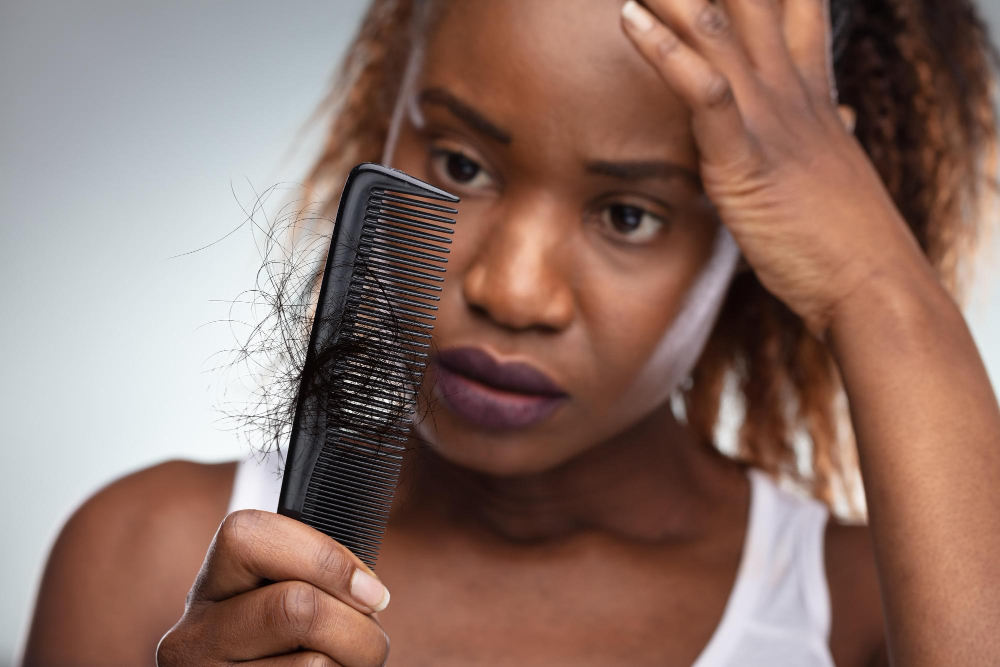
Many people ask, “can keratin treatment cause hair loss”, before booking a smoothing service. The short answer is that keratin itself is not known to cause hair loss from the root. But the formula used and the amount of heat applied can contribute to scalp irritation or hair that appears thinner over time.
A keratin hair treatment is designed to smooth the outer layer of the hair and make frizzy hair easier to manage. It can create a sleek finish and help hair look smooth and shiny. But it is still a chemical and heat-based salon service, so it should be chosen carefully.
Keratin And Hair Loss Are Not The Same Thing
It helps to separate true hair loss from hair breakage. True hair loss happens when hair sheds from the root. You may notice full strands with a small bulb at one end, wider part lines or hair coming out from the scalp in larger amounts.
Breakage happens along the hair shaft. The hair may snap at different lengths, leaving shorter pieces around the crown, ends or mid-lengths. Breakage can make your hair look thinner, even though the hair follicles are still producing new strands.
Keratin protein is naturally present in hair. In salon treatments, keratin therapy for hair usually refers to a smoothing process where a product is applied, then sealed using a blow-dryer and styling tools. The treatment may reduce frizz and make the hair cuticle lie flatter, which creates the appearance of smooth hair.
However, heat and certain formulas can place stress on already fragile hair. Research on chemical straighteners has reported possible effects including scalp inflammation, damage to the hair shaft and hair loss. This does not mean every keratin service causes damage, but it does mean the product and application method matter.
Why Some People Notice Thinning After Treatment
There are several reasons hair can look or feel thinner after a keratin treatment. The first is heat. Flat irons are often used at high temperatures to seal the treatment into the hair. If the hair is bleached or already damaged, repeated passes can weaken the strands and cause them to snap.
The second is chemical exposure. Some smoothing formulas contain formaldehyde or ingredients that can release formaldehyde when heated.
SafeWork NSW has warned that workers may be exposed during keratin straightening services, particularly during blow-drying and flat ironing. This is one reason Australian salons should use appropriate ventilation while following product directions and being open about the formula used.
The third is scalp irritation. A treatment that causes burning, itching, redness or flaking is not something to ignore. An irritated scalp may lead to more shedding in some cases, and it can make an underlying scalp issue worse. Stop using any product that causes a reaction and seek advice from a GP or dermatologist if symptoms continue.
A Keratin Treatment Does Not Make Hair Grow
Keratin treatments can make hair look longer because they reduce frizz and help reduce breakage. But they do not make hair grow faster. Hair growth comes from the follicle beneath the scalp, while a keratin treatment works on the visible hair strand.
That distinction is important. A smoothing treatment may help you retain length if it makes your hair easier to comb and less likely to snap during styling. But it is not a cure for shedding or a medical solution for thinning hair.
If you are losing more hair than usual, have bald patches, scalp pain or sudden shedding, book an appointment with a doctor or dermatologist. It is better to investigate the cause than to cover the problem with more hair treatments.
Who Should Be Cautious?
People with damaged hair should be especially careful. This includes hair that has been heavily lightened or frequently coloured, chemically straightened, heat-styled most days or exposed to frequent swimming. These factors can weaken the hair cuticle and make it less able to tolerate a high-heat service.
Your hair type also matters. Fine hair can be more vulnerable to over-processing, while coarse or curly hair may need a different temperature and technique from straighter hair. A proper consultation should include questions about your colour history, styling routine, scalp health and hair goals.
It is also worth postponing a keratin treatment if your scalp is irritated, sunburnt, flaky or broken. Applying chemicals to compromised skin can increase discomfort and may worsen a reaction.
For ways to manage frizz without immediately committing to a smoothing service, How to Treat Frizzy Hair covers practical options that can suit different hair types and routines.
How To Reduce The Risk Of Breakage
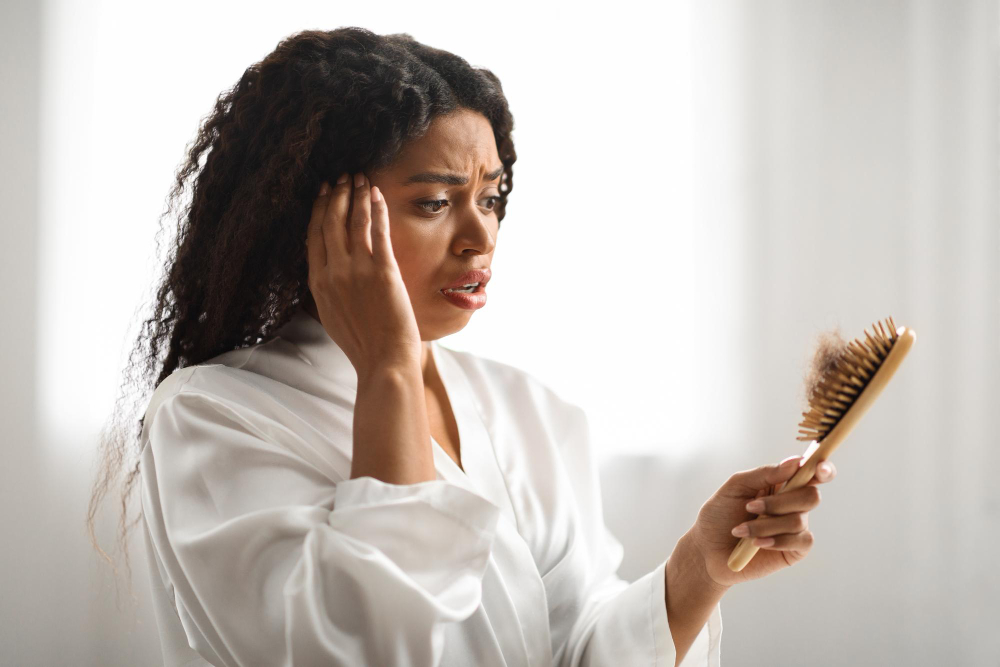
A good keratin treatment begins before the product is applied. Ask your stylist which brand they use and whether it contains formaldehyde or ingredients that release it when heat is used.
You can also ask whether the salon has a safety data sheet for the product. These are reasonable questions, especially if you have asthma/allergies or a sensitive scalp.
Your stylist should assess whether your hair can handle the service. A strand test may be useful if you have bleach, colour correction or previous chemical treatments in your hair. They may recommend a treatment that strengthens hair first, or suggest waiting until the hair is in better condition.
Do not assume a stronger treatment is always better. The goal should be healthy hair, not the flattest possible result. Lower heat settings, fewer passes with styling tools and careful sectioning can help protect the hair shaft.
A salon protein service may also be suggested for hair that feels weak or overly elastic. Unlike a straightening service, a targeted protein treatment is intended to support the hair’s condition and reduce breakage. Best Protein Treatment for Hair in Salon explains what these treatments do and when they may be worth considering.
Hair Care After Your Keratin Treatment
Post-treatment care can affect how long the smooth finish lasts and how your hair feels in the weeks that follow. Follow the instructions from your stylist, as each product system has different guidelines around washing your hair.
Use a gentle shampoo and conditioner recommended for your treatment. Some salons suggest sulphate-free care products because strong cleansers can make the smoothing result fade sooner. Avoid washing too often if your scalp allows it, and use lukewarm rather than very hot water.
When hair dries, avoid rough towel drying. Instead, gently squeeze out excess water with a microfibre towel or soft cotton T-shirt. Use heat protection before blow-drying or any heat style, even when your hair feels smooth enough to skip other styling products.
A nourishing mask can help keep the lengths soft, particularly if they were dry before the service. But do not overload your routine with protein-based hair products. Too much protein can make some hair feel stiff or brittle, so ask your stylist to recommend a balanced routine.
For a fuller view of formula safety, expected results and important questions to ask, Are Keratin Treatments Bad for You? offers useful guidance before you decide.
In Conclusion
So, can keratin treatment cause hair loss? Keratin itself does not usually cause hair to stop growing from the scalp. Heat damage and some harsh formulas or scalp irritation can lead to breakage or shedding that makes hair look thinner.
Safe product choice and realistic aftercare are the best ways to protect your hair while enjoying a smoother result. If you want advice based on your current hair condition and goals, book a keratin consultation with our hair experts today.