

Hair Salon Techniques: A Comprehensive Guide to Different Types of Hair Colouring
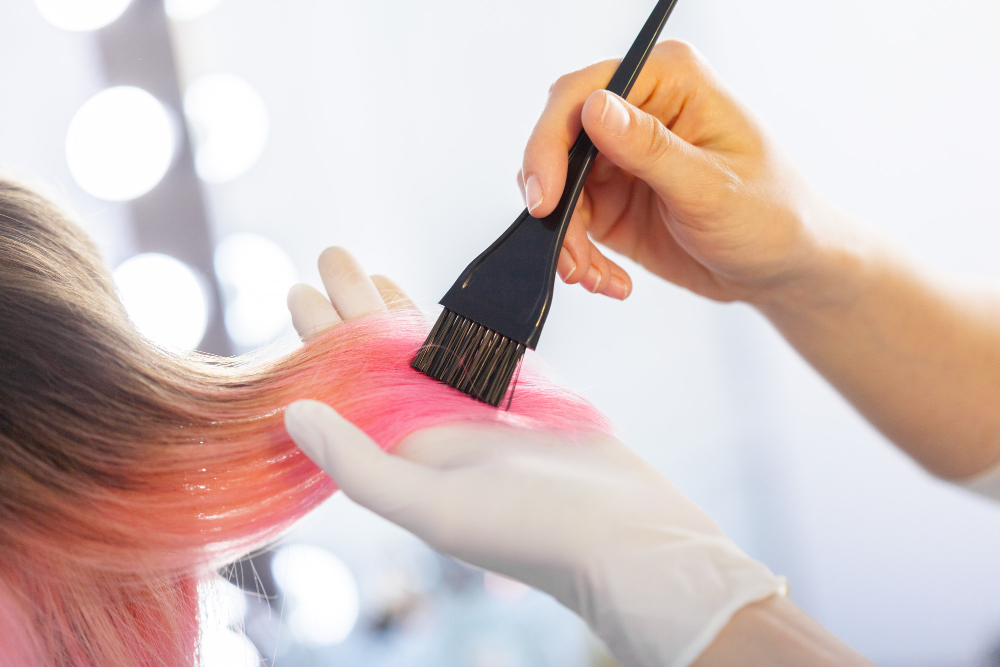
Walking into a salon can feel confusing when you look at all the available options. Most people want to refresh their look, but figuring out which hair colour types suit their lifestyle and hair health takes some thought.
If you want to cover a few stray hairs, add soft dimension, or switch shades entirely, knowing how salon formulas work makes your appointment much easier. Let’s discuss!
Formulas and Types of Hair Dyes
Hair dyes are not all made the same way. Salons stock different types of hair dyes because every client arrives with a specific goal, hair texture, and history.
Some formulas coat only the outside of the hair strand, while others work by penetrating the hair shaft to alter the pigment living in the cortex. Picking the wrong product can leave your hair dry or lead to uneven fade. Knowing these differences helps you make practical choices with your stylist.
Temporary Hair Colour
If you want a zero-commitment shift for an upcoming event, temporary hair colour is the easiest route. These formulas sit strictly on the cuticle surface. Because there are no chemical developers involved, a temporary hair dye washes out after one or two shampoos.
It works well if you want to experiment with playful tones without altering your natural hair color. But keep in mind that temporary options cannot lighten your hair. They only add a sheer wash of tone over your existing shade.
Semi Permanent Hair Colour
When you want a shade that lasts a few weeks, a semi permanent hair colour is a solid middle ground. This formula contains small colour molecules that slip under the outer cuticle without disturbing your natural melanin.
A semi permanent hair dye usually lasts between four and twelve washes, depending on how often you wash your hair and the shampoo you choose. It does not contain ammonia or peroxide, which means it will not damage fragile strands.
Many people turn to these formulas when they want to boost colour vibrancy between bigger appointments or test out richer tones before committing.
Demi Permanent Colours
Clients often ask about demi permanent hair colour when they want richer pigment than a semi can offer without the full commitment of permanent colour. These products use a very low-volume developer. This allows the pigment to deposit slightly deeper into the cuticle layer without lifting your natural pigment.
Salons rely on demi permanent colours to tone brassiness and blend first greys. You get glossy results that fade softly over twenty to twenty-four washes, leaving no harsh regrowth line along your scalp.
Permanent Hair Colour
Permanent colour is the standard choice when you want long-lasting change or complete grey coverage. This formula uses ammonia or an alkaline agent alongside hydrogen peroxide. Together, they lift the cuticle and alter the melanin inside the cortex.
Because it permanently changes the strand, the colour does not wash away. Instead, it stays put until your hair grows out. If you have resistant grey hair or want to shift several levels lighter or darker, permanent hair coloring gives you the strongest, most predictable hold.
Tints and Tone Adjustments
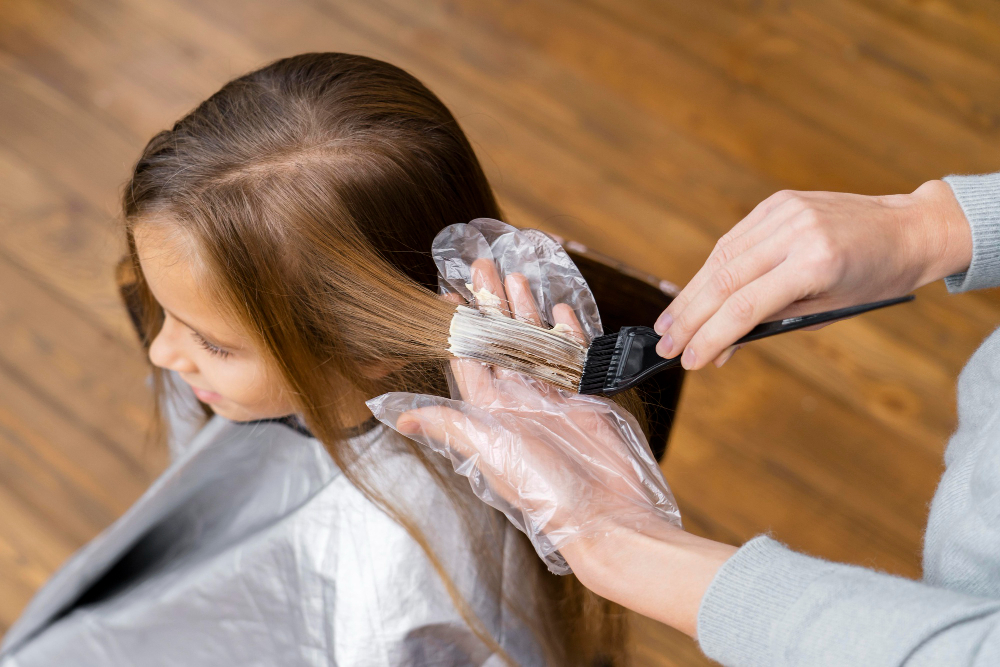
Many salon menus mention tints, which leaves plenty of people wondering: what are hair tints exactly? In professional hairdressing, a tint refers to a single-process colour applied across sections of the hair to deposit tone, darken a shade, or cover grey.
While some clients assume a tint is a completely separate chemical category, it is simply an industry term for depositing uniform colour without pre-lightening or foils.
If you are curious about how colourists approach these single-process applications, read What Is a Tint Hairdressing? Everything You Need to Know for a clear overview of what to expect during your service.
Tints are great for keeping your natural hair colour rich, especially when sun exposure in Australia leaves your ends looking a bit faded and dry.
Salon Application Methods and Ways to Dye
Finding the right shade is only half the job. How your stylist applies the formula shapes how your hair grows out and how much upkeep you will face. Salons use varied ways to dye hair, ranging from traditional foils to modern freehand painting. Each technique delivers a distinct look and maintenance schedule.
Foil Highlights and Lowlights
Foils remain a staple in Australian salons for good reason. Your colourist separates small sections of hair, paints on lightener or colour, and wraps them in foil. The foil traps heat, which helps the product lift evenly from roots to ends. Foiling allows for extreme precision.
If you want bright blonde hair, woven foils create clean contrast and crisp placement. You can also mix in lowlights to break up solid blonde or add richness to dark brown hair that feels flat. Most clients book touch-ups every six to eight weeks to keep their regrowth neat.
Balayage and Freehand Painting
Balayage has become a salon favourite across Australia because it looks soft and relaxed. The word comes from the French term meaning to sweep. Instead of using foils, the colourist paints lightener directly onto the surface of selected hair sections using a sweeping hand motion.
Because the colour is concentrated on the mid-lengths and ends while leaving the roots softer, you get a sun-kissed finish that mimics how hair lightens outdoors. Balayage grows out naturally, so you can often wait three to four months between salon visits.
Colour Melting and Root Shadowing
Colour melting blends two or three shades along the hair shaft so you cannot see where one ends and the next begins. Stylists often combine a darker tone at the root with a softer tone through the mid-lengths and a lighter shade on the ends.
This removes harsh lines and creates seamless depth. It works wonderfully for growing out old highlights or softening the line between your natural roots and colored hair.
Choosing Shades
Selecting a shade is about more than picking a picture from social media. Professional colorists rely on standardized colour charts that track depth levels from 1 to 10 and tone categories like ash, gold, copper, and mahogany. Level 1 represents jet black, while level 10 represents the palest blonde.
Read the Colours Hair Color Chart: Understand Hair Tones & Levels to see how stylists balance depth with cool or warm undertones to build your target shade. It gives you a shared vocabulary so you and your colourist are on the same page.
Your natural undertones play a huge role in the final result. For example, lifting dark brown hair naturally exposes warm orange and red undertones. If you want a cool ash shade, your colourist must lift past that warmth and apply a neutralizing toner.
If you prefer warmer tones like honey, copper, or strawberry blonde, working with those natural undertones makes the process smoother and healthier for your strands.
Matching Techniques to Your Hair Goals
Every client sits in the chair with distinct goals and maintenance preferences. Some people want sharp contrast, while others prefer soft transitions that grow out quietly. Stylists evaluate your starting base and daily habits before choosing between foils, balayage, or global glosses.
Read our guide to Latest Hair Colour Techniques for Long-Lasting Color to see how each method behaves over time. That way, you pick a routine that matches how often you actually want to visit the salon.
Here is how modern color hair techniques line up with common hair goals:
- Managing Grey Hair: If your goal is to blend silver strands rather than mask every single one, fine babylights or demi-permanent glosses create a soft transition. If you want complete coverage, permanent regrowth tints offer reliable grey coverage to cover grey without leaving translucent patches.
- Going Lighter: Moving from dark hair to blonde hair requires patience. Lifting too many levels in one visit can compromise elasticity. Breaking the journey into two sessions protects hair strength.
- Adding Richness: If your hair feels washed out, introducing warm caramel or chocolate tones through lowlights adds immediate dimension.
- Vibrant Shades: If you love vivid red hair, remember that red pigments are larger and slip out of the cuticle faster. Using cool water and sulphate-free cleansers preserves colour vibrancy over time.
Keeping Hair Healthy and Extending Salon Results
Great colour depends on healthy hair. Even the gentlest salon techniques put some stress on your cuticle, so practical home care is essential.
Keeping your hair strong during chemical services comes down to product choice and application technique. Modern salons increasingly turn to low-ammonia formulas, conditioning bond-builders, and strategic placement to minimize stress on the scalp.
Our guide: Best Hair Colour Method for Perfect Results highlights how gentle processing keeps strands resilient through regular colouring sessions. Taking this preventative approach means your colour looks vibrant and your hair feels soft, rather than brittle and dry.
At home, wash your hair less often and use lukewarm or cool water whenever possible. Hot water swells the cuticle, allowing colour molecules to escape down the drain.
Investing in professional shampoos formulated for colored hair helps protect your investment. These cleansers avoid harsh sulphates that strip natural oils and artificial pigments.
Sun exposure also fades colour quickly, especially under the strong Australian sun. Wearing a hat outdoors or applying a leave-in conditioner with UV filters shields your strands from oxidation.
If you swim in chlorinated pools or the ocean, wet your hair with fresh tap water before jumping in so your strands absorb less salt or chemical residue.
In Conclusion
Choosing between different types of colour for hair comes down to your personal goals, budget, and daily routine. Taking time to understand various hair colour types ensures you get results you love while keeping your hair in great condition. Talk openly with your stylist about your lifestyle so they can tailor a colour plan that works effortlessly for you.
Ready to refresh your style or find your perfect shade? Book your salon colour appointment today and let our experienced team care for your hair.