





From Box Dye to Salon Blonde: What Color Correction Really Involves
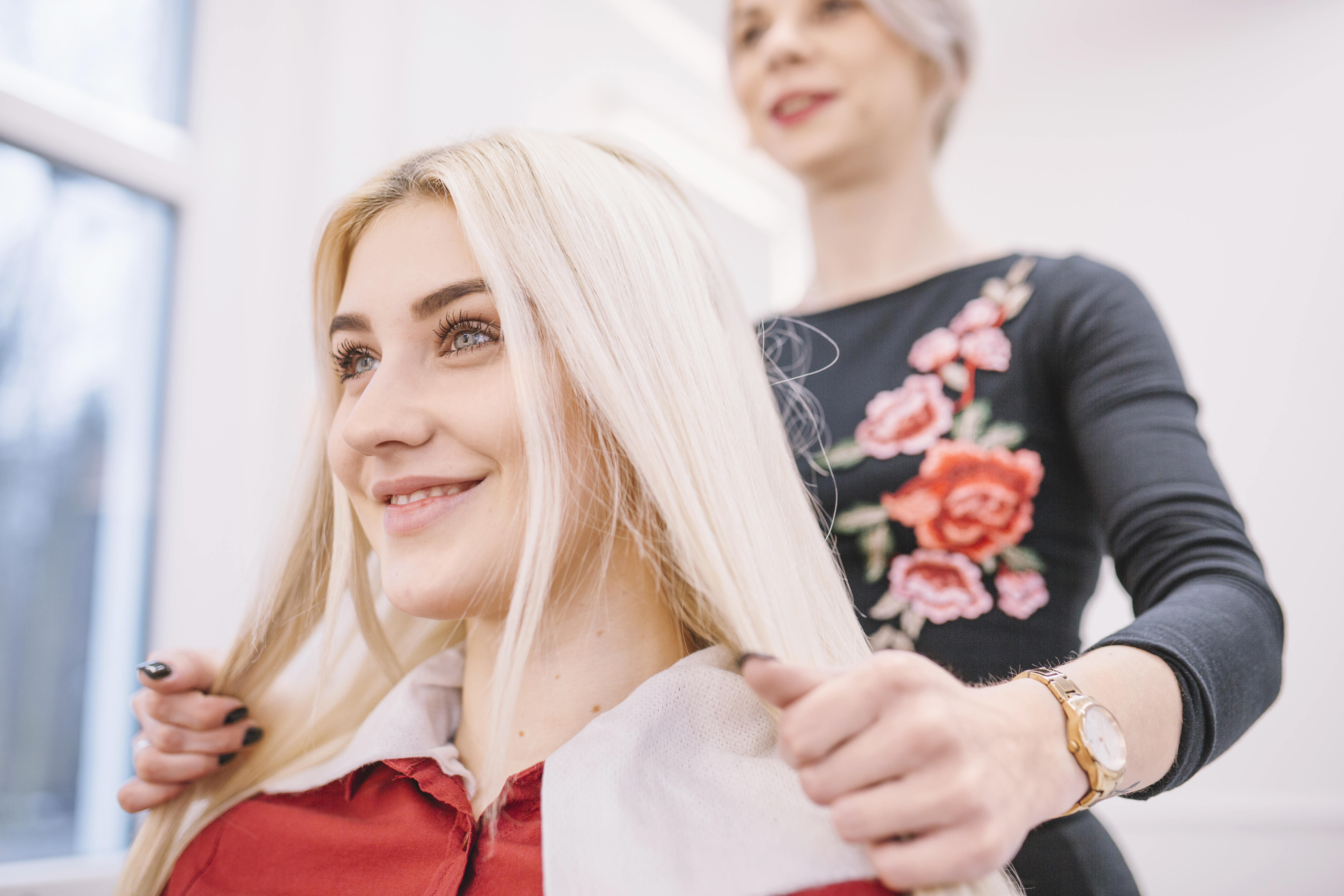
Moving from box dye to salon blonde is a big jump, and it almost always calls for hair colour correction rather than a quick touch up. If you’ve used box dye at home, then walked into a colour correction hair salon asking for a clean, bright blonde, you already know it’s not a simple “one and done” visit.
The colour sitting in your hair now, plus its condition, will decide how far your hair colourist can safely take you in one session. Let’s discuss.
Why Box Dye Is So Hard To Shift
Box dye is made to be strong and predictable for home use, which means it hangs on for dear life in the hair. Most box colours build up heavy pigment, often with metallic salts, that stain the hair shaft and make future lightening slower and riskier for the health of your hair.
If you’ve coloured your hair dark brown or black at home, there is usually a dense layer of colour sitting on top of your natural shade. This is why professional colourists often recommend a structured plan such as a remove box dye hair colour correction treatment before chasing lighter colours for hair like ash blonde or creamy caramel. It’s not just a matter of “stripping” colour; it’s about gently lifting and rebalancing tone while keeping your hair intact.
What Colour Correction Really Means
At a hair salon, colour correction is a process, not a single service name. It simply means fixing unwanted colour results so the hair looks more even and healthy.
For you, that might mean:
- Softening harsh black box dye so you can move towards a warm brunette.
- Balancing patchy copper or red tones that came from layering different box colours.
- Lightening stained mid-lengths so the ends match the roots.
- Cooling down orange or yellow bands after a DIY bleach attempt.
A good hair salon colour correction plan starts with a long consult and a strand test. The stylist needs to see how your hair reacts to lightener and what undertones appear. They also need to know how fragile the hair feels after processing.
What is the Role Of The Professional Colourist?
A skilled hair colourist does more than mix bleach and toner. They look at your skin tone, natural level, past colour history and hair style to work out a realistic path from box dye to salon blonde.
They’ll usually talk through:
- How many correction appointments you might need.
- What kind of blonde is safe for your hair right now.
- How much length you may need to sacrifice if the ends are too damaged.
- What home routine you’ll need to follow in between visits.
This is where the benefits of professional hair colouring come in, because a salon can tailor each step to your exact hair rather than relying on a one-size-fits-all box.
And if you’re not sure why box dye is bad for hair, experts say that repeated home colouring without a plan makes later correction slower, more expensive and more compromising on condition.
Lightening Box Dyed Hair: No Quick Fix
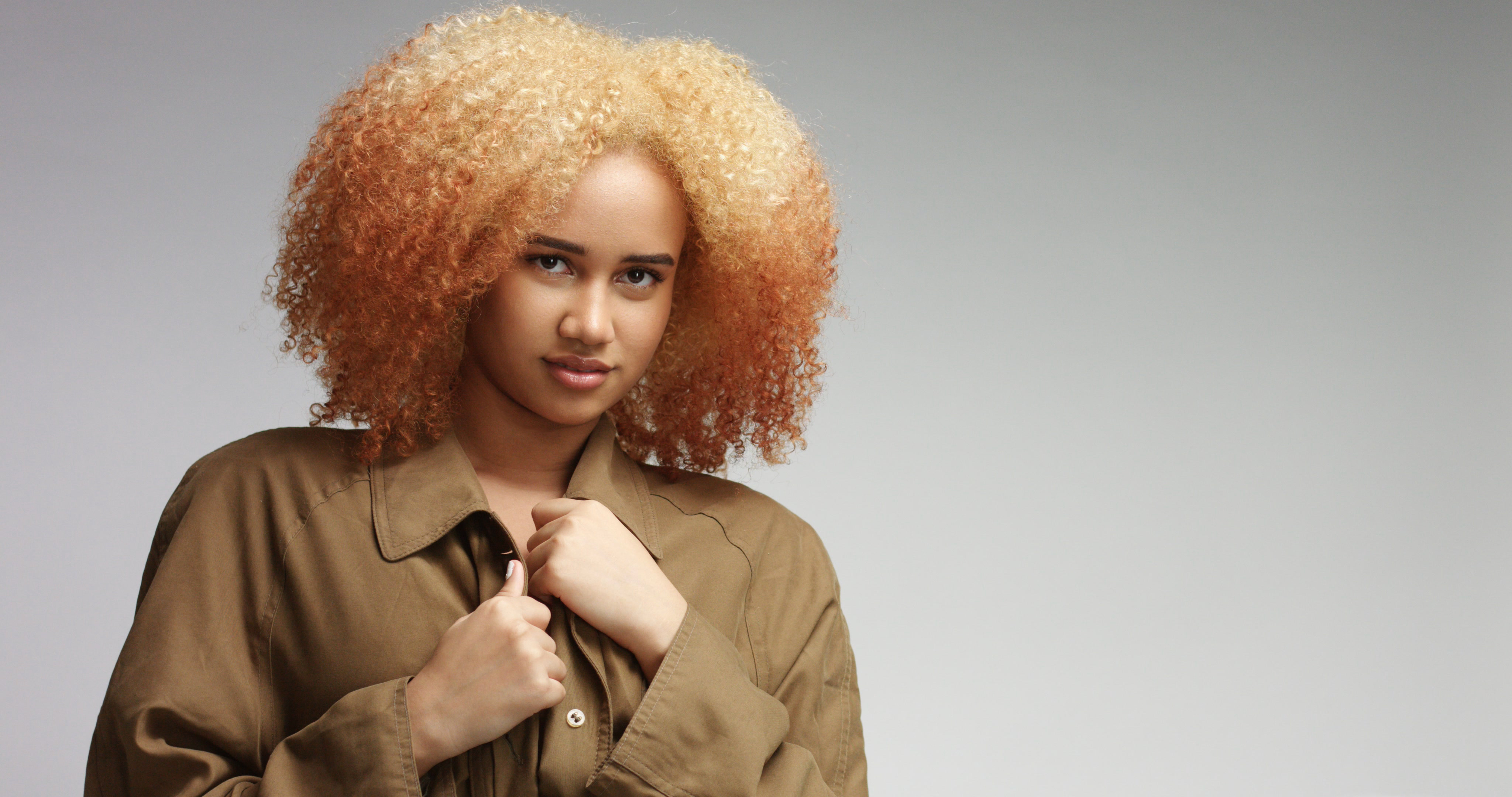
Going from dark box dye to blonde typically happens in layers. The first appointment usually focuses on lifting the dense old pigment and seeing how light the hair can safely go.
Common steps might include:
- Clarifying or pre-treating the hair to remove buildup.
- Applying lightener in a controlled way, often with foils or balayage sections.
- Watching the hair closely as it processes to avoid over-drying.
- Toning after rinsing to soften brass and even out the result.
Your hair might land in a warm caramel or bronde stage before you ever reach the cool, bright blonde you see on Instagram. That’s normal.
Professional colourists often talk about the best hair colour method for perfect results as one that respects the hair’s limits at each visit instead of forcing a “platinum in one day” outcome.
Why Your Hair’s Health Comes First
There’s no point in being blonde if your hair snaps off. Bleach and strong lighteners weaken the hair structure, and hair that has been repeatedly box dyed is already under stress.
That’s why a good salon will:
- Use bond-building products and gentle developers.
- Refuse to lift past what your hair can handle.
- Suggest a darker or softer shade if full blonde isn’t realistic yet.
- Recommend trims to clean up dry, split ends.
Keeping the health of your hair as the top priority often means accepting a transition phase colour instead of racing straight to icy blonde. It also means investing in treatments, masks, regular root touch up hair colour services and careful styling choices to protect the new shade.
Managing Expectations: How Blonde Can You Go?
The blonde you can achieve depends on:
- Your starting level and natural colour.
- How long you’ve used box dye and what shades you’ve layered.
- The condition and thickness of your hair.
- How patient you’re willing to be with multiple visits.
Fine hair without years of black box dye can usually lift more easily than thick, coarse hair that has been coloured at home for a decade. But even in “easier” cases, a colourist will rarely promise a specific result in one session, because hair can react in unpredictable ways once the colour starts to move.
A clear, honest consultation helps. You should leave your hair in the salon knowing roughly how many correction appointments are ahead, what your temporary shade might look like, and what it will cost. That way the journey feels planned, not like a gamble every time you sit in the chair.
How to Look After Your New Colour at Home
Once your hair is on its way to blonde, home care matters as much as the salon work. Freshly lightened coloured hair is more porous, which means it can dry out faster and grab onto strong pigments from shampoos, heat and even tap water.
Key habits include:
- Using sulphate-free shampoo and rich, hydrating conditioner.
- Adding a weekly treatment or mask to repair and strengthen.
- Limiting hot tools or using them on low heat with a heat protectant.
- Sleeping on a silk or satin pillowcase to reduce friction.
Small things like these help keep your blonde clear and your hair feeling soft, so you keep that beautiful hair look rather than fried ends and breakage. It also allows your colourist to focus on refining tone at future visits instead of repairing damage from neglect.
When to Move From Box Dye to Salon Care
If you’re thinking about going lighter, the best time to stop using box dye is now. Every extra home application adds another layer your colourist will need to lift later.
Instead:
- Book an appointment before you make any more changes at home.
- Be honest about everything that has touched your hair for the past few years.
- Bring photos of colours you like, but stay open to what suits your skin tone and hair history.
A professional salon can build a plan that might start with soft highlights or soft balayage before aiming for a full head of blonde. Over time, smart placement and good toning can gradually move you away from flat box colour towards a multi-dimensional result that actually looks like expensive salon hair, not just “one shade all over.”
In Conclusion
Moving from box dye to salon blonde is possible, but it needs patience and strong focus on keeping your hair healthy along the way. True hair colour correction is a series of careful steps, guided by a professional who understands both colour science and the limits of your hair.
When you trust the process and look after your hair between visits, the end result is a blonde that suits you, lasts well and still feels good to touch.
If you’re ready to start your own colour correction journey, you can book an appointment with us online. You’ll be able to choose your service, select a time that suits, and add notes about your hair history so your colourist is prepared before you arrive.