






Professional Hair Foils vs Supermarket Foil: What Every Stylist Needs to Know

Professional hair foils vs supermarket foil is a topic every stylist in Australia bumps into sooner or later, especially when costs start to bite and clients expect consistent results.
Now. Professional hair foils might look similar to the roll sitting in the kitchen drawer, but they are built for colour work, not leftovers, and that difference shows in your timing, lift and finish. Let’s discuss!
Why Foil Choice Matters
Hair colour is chemistry plus control. The foil you use affects both. Aluminium traps heat while supporting the product and helping push pigment or lightener into the hair shaft. So the right foil improves processing and keeps placement clean.
When the foil is wrong for the job, you see patchy lift, slipping sections and more rework, which costs time and money in a busy Australian salon.
Professional Hair Foils: What Makes Them Different
Professional hair foils are designed for colouring or highlighting, balayage and other salon techniques. They usually come in specific thicknesses, widths and lengths that suit common section sizes, so you can work quickly and stay consistent from client to client.
A few key traits stand out:
- Consistent thickness, often around 15 to 20 microns, which gives reliable heat and strength across the whole sheet.
- Embossed or textured surfaces that grip the hair and reduce slipping during application.salonsaver.
- Pre cut or pop up formats that save time and keep your workstation organised through long highlight sessions.
Because these foils are made for salon use, they hold up under repeated folding and product exposure, and they do not easily tear when saturated with bleach. That integrity means less fiddling and fewer lost packets for smoother processing, especially when you are running back to back appointments.
For a deeper look at the different salon options and how to choose the best hair foils for salon quality highlights, you can check the guide titled “Best Hair Foils Salon Quality Highlights”.
Supermarket foil: what you gain and what you risk
Supermarket foil is made for food storage and cooking, not for precise colour work, even though many stylists have tried it at some point. It often comes in thinner gauges, can be softer and more prone to tearing, and does not always offer the same grip or structure as salon foils.
On the upside, supermarket foil is cheap and familiar. For very small jobs or at home touch ups, some people feel it is “good enough,” especially when they are not chasing complex multi-tone work.
The trade offs show up in the chair:
- Thinner foil can overheat in spots and cool in others, leading to uneven lift.
- Smooth foil can slip, so your sections move and lines blur during processing.
- Rolls that are too narrow or too wide add trimming time and increase waste.
That might be manageable for one or two packets, but once you are working a full head of foils, supermarket foil makes control harder and increases the chance of banding or bleed marks and missed pieces.
Heat, Thickness And Processing Time
One of the biggest technical differences between professional hair foils and supermarket foil is thickness and how it handles heat. Salon foils are chosen to balance strength with heat conduction, so colour and lightener develop at a predictable pace.
Thicker foils retain heat better and can help speed up lift in a controlled way, while still protecting the hair. If the foil is too thin or inconsistent, temperature varies across the packet, and the product does not behave the way you expect from your usual timing chart.
When you are working with high lift blondes or correcting old colour, this control matters. Clients trust you to hit their target shade without compromising condition, and your foil choice is part of that safety net, right alongside your developer strength and application order.
Grip, Folding And Day To Day Workflow
Professional foils often have a light emboss or texture that helps them hold hair sections in place. This grip reduces slipping and makes it easier to stack packets neatly, especially around the crown and nape where hair density and growth patterns change.
Pre cut and pop up packs add another layer of ease. You are not fighting the box or cutting to length, or even chasing the roll across the trolley, so your focus stays on clean sectioning and accurate placement. That speed adds up across a full day of clients, and it lowers fatigue during back to back long colour appointments.
If you are weighing different placement methods, like tight stacking versus more spaced application, it also helps to understand how foil density affects both lift and visual result, which is covered in “Back to Back Foil vs Normal Foils.”
Client Experience And Visual Finish
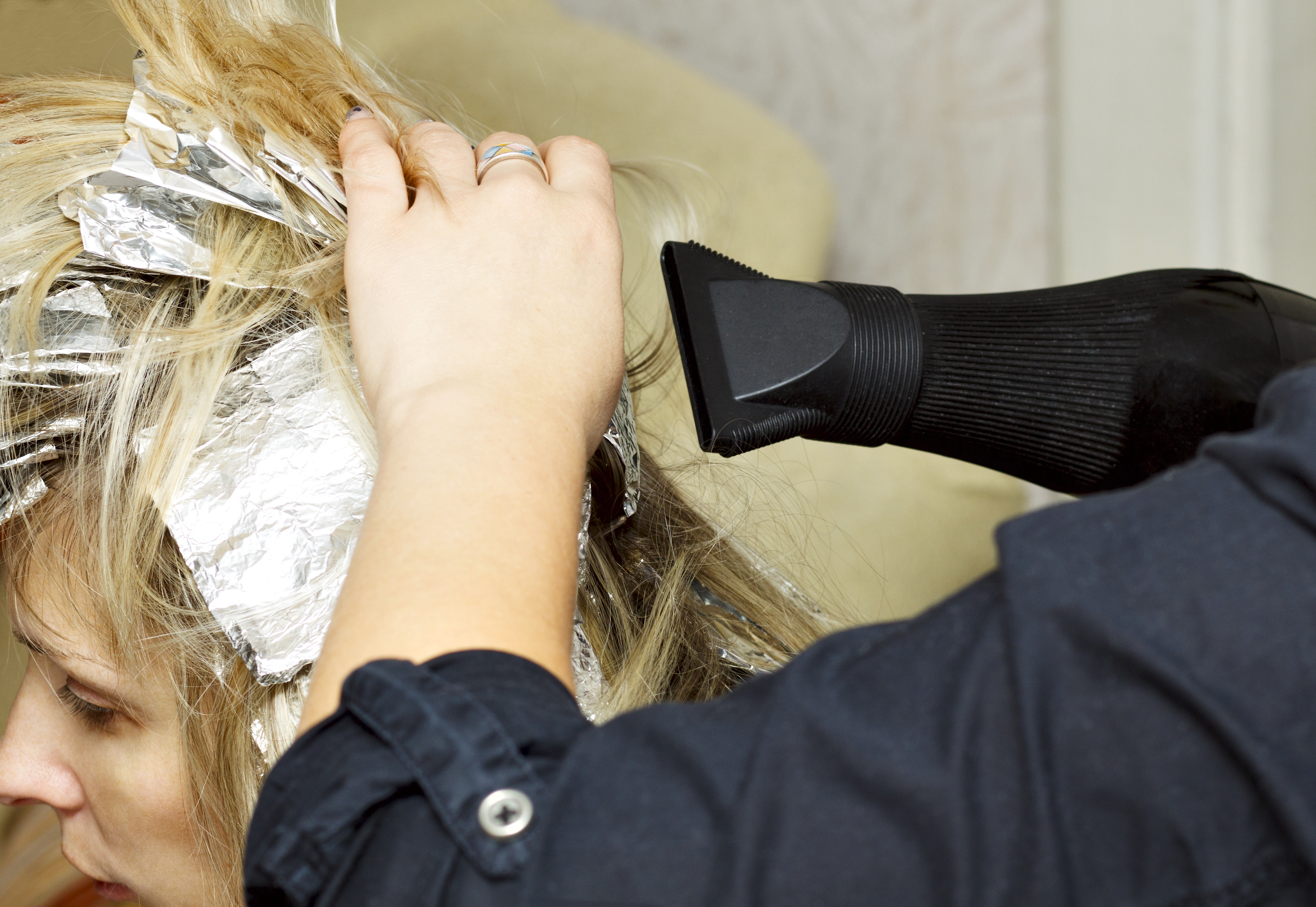
Clients might not know how many microns are in your foil, but they notice their end result and how comfortable the service feels. Professional foils sit flatter and hold their shape. They are also easier to keep off the scalp when you need that extra breathing space, which improves comfort during long processing times.
On the visual side, reliable foils support cleaner lines, more even light reflection and less risk of hot roots or harsh bands. When you are working highlights against natural hair or blending with lowlights, that precision is what keeps the colour looking soft and expensive rather than stripy or patchy.
For clients who are curious about why their highlights look different from friends who use box dye at home, you can share a simple explanation of what’s the difference between hair foils and highlights, which helps set expectations and reinforce the value of professional work.
Cost, Waste And Value For Australian Salons
It is fair to ask if professional foils are worth the extra cost over supermarket foil, especially for smaller Australian salons or independent stylists. On paper, the roll from the supermarket looks cheaper, but that does not include the extra time spent cutting, refolding torn packets or fixing uneven results.
Professional foils are built for bulk use, and pre-cut packs help you control waste because each sheet has a clear job. When you factor in time saved per client, fewer corrections and the consistent finish that keeps people rebooking, salon foils tend to pay for themselves in the long run.
If you want to see how a salon service packages foils within a broader colour offering, the “Hair Foils Service” page shows how foils fit into consultation, technique choice and maintenance booking.
When Supermarket Foil Might Still Be Used
Some stylists in Australia still keep supermarket foil on hand for one off situations, like quick root touch ups outside the salon or very basic colour work where lift level is not critical. It can also be used for certain creative or test pieces, provided you are fully aware of its limits and stay conservative with timing and developer strength.
Treat supermarket foil as a backup, not a main tool. For most day to day work, especially full heads, balayage and corrective colour, professional foils remain the safer, more predictable choice.
Making The Switch And Training Your Team
If your salon has been leaning on kitchen foil, moving to professional hair foils is mostly about standardising your tools and giving the team clear guidelines. You can start by choosing one or two foil types that cover your most common services, then train staff on section sizes, folding style and timing based on those foils.
Over a few weeks, you will usually see a lift in speed and a drop in corrections. That consistency builds trust with clients, because they feel safer booking with any team member and know their colour will be predictable each visit.
In Conclusion
Professional hair foils are engineered for colouring work, with the right thickness and texture to give stylists control over lift and placement. Supermarket foil might be cheaper on the shelf, but its limits show up in the chair through uneven processing, slipping packets and more rework, especially on complex colour jobs.
If you are ready to see the difference in a real appointment, you can book a hair foils service with us using their online booking page.