


Hair Colour Chart: Understanding Hair Tones and Levels
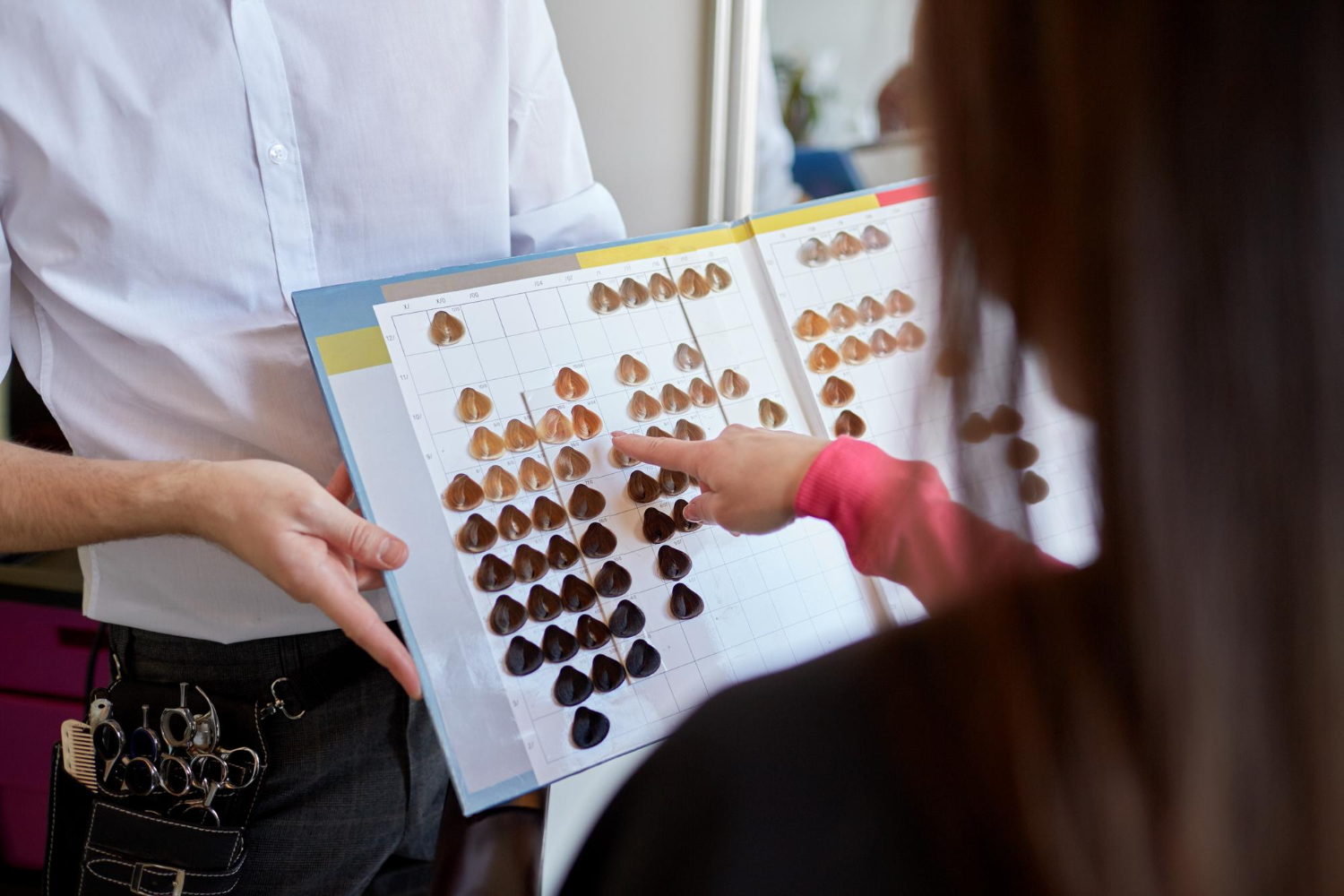
Have you ever stood in a salon or scrolled through colour swatches feeling completely lost?. A colours hair color chart can look like a foreign language at first with its numbers, dots, letters but once you understand the system, picking the right shade becomes a lot simpler.
In this article, we break it all down clearly, so you can walk into your next appointment knowing exactly what you’re looking for.
What Is a Hair Colour Chart?
A hair colour chart is a visual and numbered guide that shows every available shade, organised by depth and tone. It’s what your colourist uses to match your existing hair, plan a new look, or figure out how much lifting or colouring your hair needs.
The chart works off two core ideas: level (how light or dark a colour is) and tone (the warmth or coolness underneath). Every shade on the chart is built from these two things. Once you understand both, reading any color chart for hair becomes straightforward.
Hair Colour Levels Explained
The numbering system used in professional salons runs from 1 to 10. Level 1 is the darkest black, and level 10 is the lightest blonde which is sometimes called platinum or ultra-blonde. Here’s how the full scale looks:
| Level | Hair Colour |
| 1 | Black |
| 2 | Very Dark Brown |
| 3 | Dark Brown |
| 4 | Medium Brown |
| 5 | Light Brown |
| 6 | Dark Blonde |
| 7 | Medium Blonde |
| 8 | Light Blonde |
| 9 | Very Light Blonde |
| 10 | Lightest Blonde / Platinum |
The color levels of hair are sometimes called “depth.” The higher the number, the lighter the hair. So if someone says they want to go from a level 5 (light brown) to a level 8 (blonde hair), that’s a significant lift (three full levels).
These hair colour levels also tell your colourist how much developer strength is needed. Moving from dark to light always requires lightening first. Moving from light to dark is easier because you’re depositing colour, not removing it.
What are Hair Dye Levels in Real Terms?
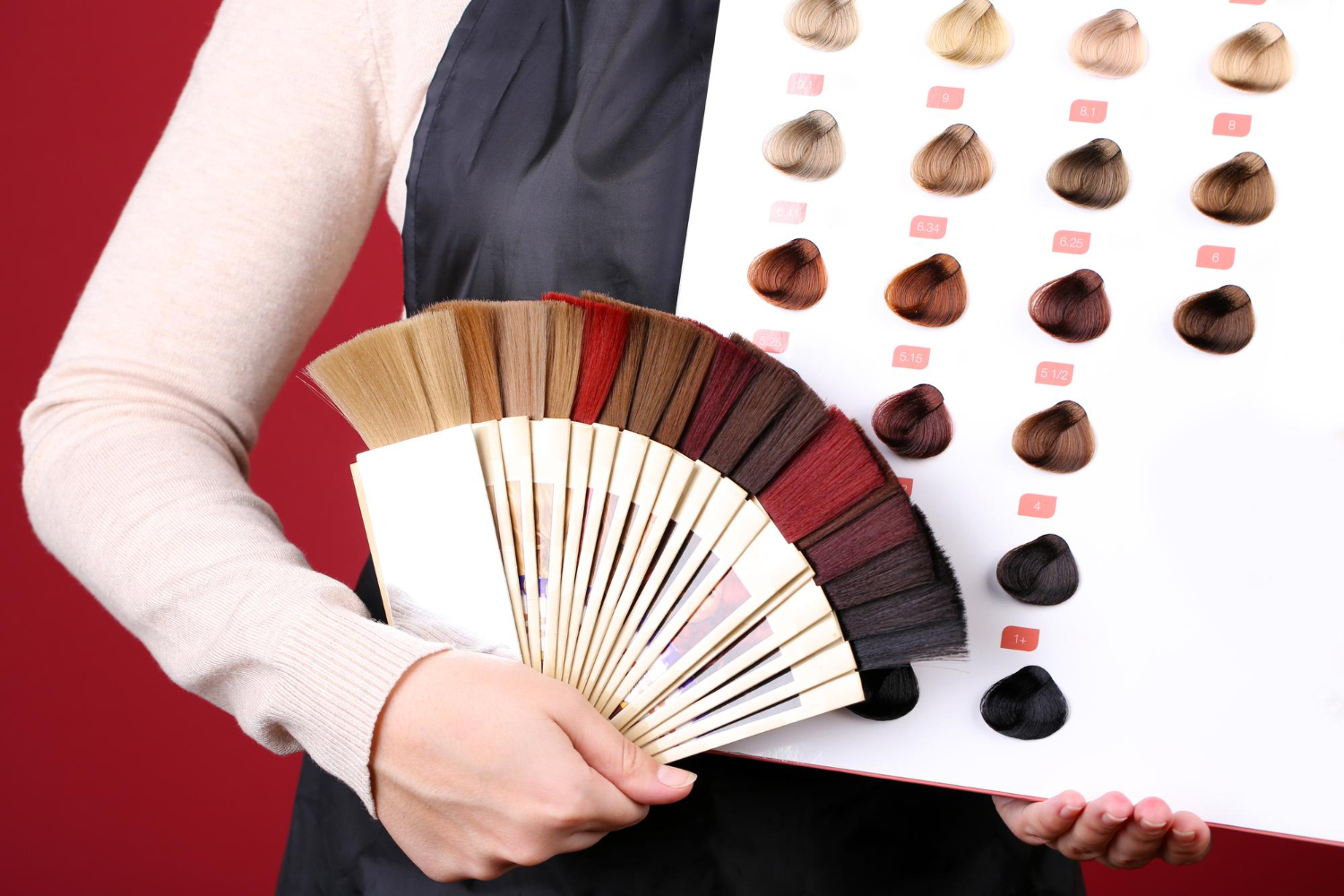
Here’s where it gets practical. When you pick up a box or look at a professional colour swatch, the first number tells you the level. A shade labelled “6” is a dark blonde. A “7” is a medium blonde. A “4” is medium brown, and anything from 2–3 is in the dark brown range.
These hair dye levels matter because going too far from your natural hair in one session can cause damage. Most colourists recommend lifting no more than three levels at a time. If you want to go from rich dark brown to a bright blonde, it usually takes more than one appointment.
Not sure where your hair sits on the scale? Fan a small section out and hold it up in natural light against a colour chart. That comparison gives you the most accurate read. Artificial lighting can make your hair appear lighter or darker than it actually is.
What Is Hair Tone?
Tone is the second part of the equation. It’s what gives a colour its personality . The difference between an icy blonde and a golden one, or between a cool, ashy brown and a warm caramel. If you are working with warm tones, cool undertones, or something neutral, tone is what makes or breaks a result.
On a professional colour chart, tone is shown as a number after a decimal point. So a shade written as “6.3” means level 6 (dark blonde) with a golden tone. “7.1” means level 7 (medium blonde) with an ash tone. Here’s a quick guide to the most common tone indicators:
- 1 Ash (cool, blue-based)
- 2 Iridescent or Pearl (cool, violet)
- 3 Gold (warm)
- 4 Copper (warm, red-orange)
- 5 Mahogany (deep red)
- 6 Red
Mastering depth and tone together is how professionals build a complete colour result. Level tells you how light or dark. Tone tells you whether it leans warm or cool.
Warm Tones vs Cool Tones
This is where skin tone comes into the picture. Warm tones in hair ( like gold, copper, caramel, and honey )complement skin with peachy, golden, or yellow undertones. Cool tones ( like ash, pearl, and violet) suit skin with pink, red, or blue undertones.
For a deeper look at how undertones in your skin connect to the right shade, How to Choose the Perfect Shade: Hair Colour for Skin Tone walks through the process step by step, including practical tests you can do at home.
Not sure whether you run warm or cool? The vein test is one of the simplest checks. Look at the inside of your wrist in natural light. Green veins suggest warm undertones. Blue or purple veins point to cool undertones.
And if you want a quick guided approach, the What Hair Colour Suits Me Quiz at Intaglio can help you figure it out before you book.
Red Undertones and Why They Appear
One thing that catches many people off guard is the appearance of red undertones when lightening dark hair. This happens because natural hair contains underlying pigments. Black hair holds blue-black pigments, dark brown holds red-brown, and lighter shades carry yellow.
As you lift the hair, those underlying pigments reveal themselves in sequence: red, then orange, then yellow. This is why going from dark brown to blonde hair without toning can leave hair looking brassy or orange.
A toner ( especially one with cool undertones like ash or violet) is applied afterward to neutralise that warmth.
What is Ash Blonde?
Ash blonde is one of the most requested shades in Australian salons, and it sits across a range of levels. Dark ash blonde falls around levels 7–8, with smoky, mushroom-grey undertones.
Medium ash blonde sits at level 9 which is the classic cool blonde most people picture. Light ash blonde ranges from levels 10–11, with icy, platinum, or pearl finishes.
Maintaining ash blonde requires consistent care. Because cool tones fade faster than warm ones, regular toning is essential. At home, using purple shampoo once or twice a week helps neutralise any brassiness that creeps in between salon visits.
If you’re thinking about adding dimension to your ash blonde or any lighter shade, a professional foil service can make a real difference. At Intaglio, the Hair Foils Service gives you precise control over where lightness is placed, without the risk of uneven results you can get with full-head bleaching.
Light or Dark Hair Tone: Which Is Right for You?
Deciding whether to go light or dark depends on more than just preference. Your natural base, skin undertone, and maintenance capacity all factor in.
Going lighter requires more upkeep as roots show faster, and toning is an ongoing commitment. Going darker is generally lower maintenance, though it can look flat without added dimension.
Multi-tonal techniques like balayage and foiling address this by blending shades rather than applying a flat, single colour. This creates more natural-looking transitions and softer grow-out. For a breakdown of which method works best for different goals, Best Hair Colour Method for Perfect Results covers the key options available in Australian salons today.
How to Use a Hair Colour Chart Practically
When looking at a hair color chart, start with your current level. Find where your natural or existing colour sits on the 1–10 scale. Then decide how many levels you want to move up or down.
Next, look at the tone. Do you want warm tones (golden, copper, honey) or cool (ash, pearl, violet)? The combination of your target level and tone will give you a specific number. Something like 7.3 (medium blonde, golden) or 8.1 (ash blonde, cool).
If you’re visiting a salon, bring reference photos. They’re far more useful than trying to describe a colour in words. Your colourist can then match the level and tone to what they see and make adjustments based on your actual hair condition.
In Conclusion
Reading a hair colour chart gives you a solid foundation but the best results still come from a trained colourist who can assess your hair in person. They’ll factor in your starting level, skin undertone, hair health, and lifestyle before recommending anything.
Ready to get started? Book your appointment with us and work with an expert team who understands colour from the inside out.