






Here’s What You Should Know Before Dyeing Your Hair Extensions

So, can you dye hair extensions? Yes, you can. But there are a few things worth knowing before you start. Getting the colour wrong, or skipping key steps, can leave your extensions dry, patchy, or beyond repair. In this guide, we cover what to check, what to avoid, and how to get the best result.
Not All Extensions Can Be Dyed
The first thing to sort out is what type of extensions you have. If they’re made from 100% human hair, you’re in good shape. Human hair extensions respond to dye the same way your natural hair does, which gives you the most flexibility with colour.
Synthetic extensions are a different story. They can’t absorb dye the normal way, and using regular hair colour on them will likely ruin them. If you’re unsure what you have, check the packaging or ask the supplier before you do anything else.
Virgin human hair extensions (ones that haven’t been chemically treated before) are the best option for dyeing. They tend to take colour more evenly and hold up better through the dyeing process.
Go Darker, Not Lighter
Something a lot of people learn the hard way is that extensions don’t bleach well. Bleach is one of the harshest chemicals you can use on hair, and because extensions don’t get the same nutrients and moisture as hair attached to your scalp, they’re more vulnerable to damage.
If you want to go lighter, say you’re chasing those hair extensions blonde before and after results you’ve seen online , it’s worth knowing that bleaching extensions can cause them to become brittle, frizzy, or break altogether. The safer move is to dye them a shade or two darker than their current colour. That way you get a result that lasts without wrecking the hair.
If lightening is genuinely what you need, leave it to a professional. A good colourist will know how to protect the hair through the process and get you a seamless blend between your natural hair and your extensions.
Always Do a Strand Test
Before you apply the dye to all your extensions, do a strand test first. Take a small section of the extensions, not the full weft, and dye it with the same product you’re planning to use. Leave it for the recommended time, then rinse and check the result.
This tells you how the extensions will respond before you commit to the whole lot. Different batches of hair can vary in porosity, even if they look similar, so what worked for someone else’s extensions might not work the same way on yours.
A strand test takes about 30 extra minutes. It’s worth it
Choose the Right Hair Colour for Extensions
When it comes to hair colour for extensions, demi-permanent dye is generally your safest option. It’s gentler than permanent dye, uses a lower-volume developer, and is less likely to dry out the hair.
Avoid box dyes from the supermarket if you can. They’re formulated for scalp hair and often contain harsh chemicals that are too aggressive for extensions. The ammonia and high-peroxide developers in box dyes can break down the hair structure and cause long-term damage.
You can you color hair extensions using a professional-grade product , even at home and you’ll get a much better result. Look for ammonia-free options or ask your local salon what they’d recommend for your extension type.
For a deeper look at how different colour methods stack up, this guide on Best Hair Colour Method for Perfect Results is a solid starting point. It breaks down the key differences between permanent, demi-permanent, and semi-permanent colour so you can choose what’s right for your situation.
How to Dye Your Extensions at Home
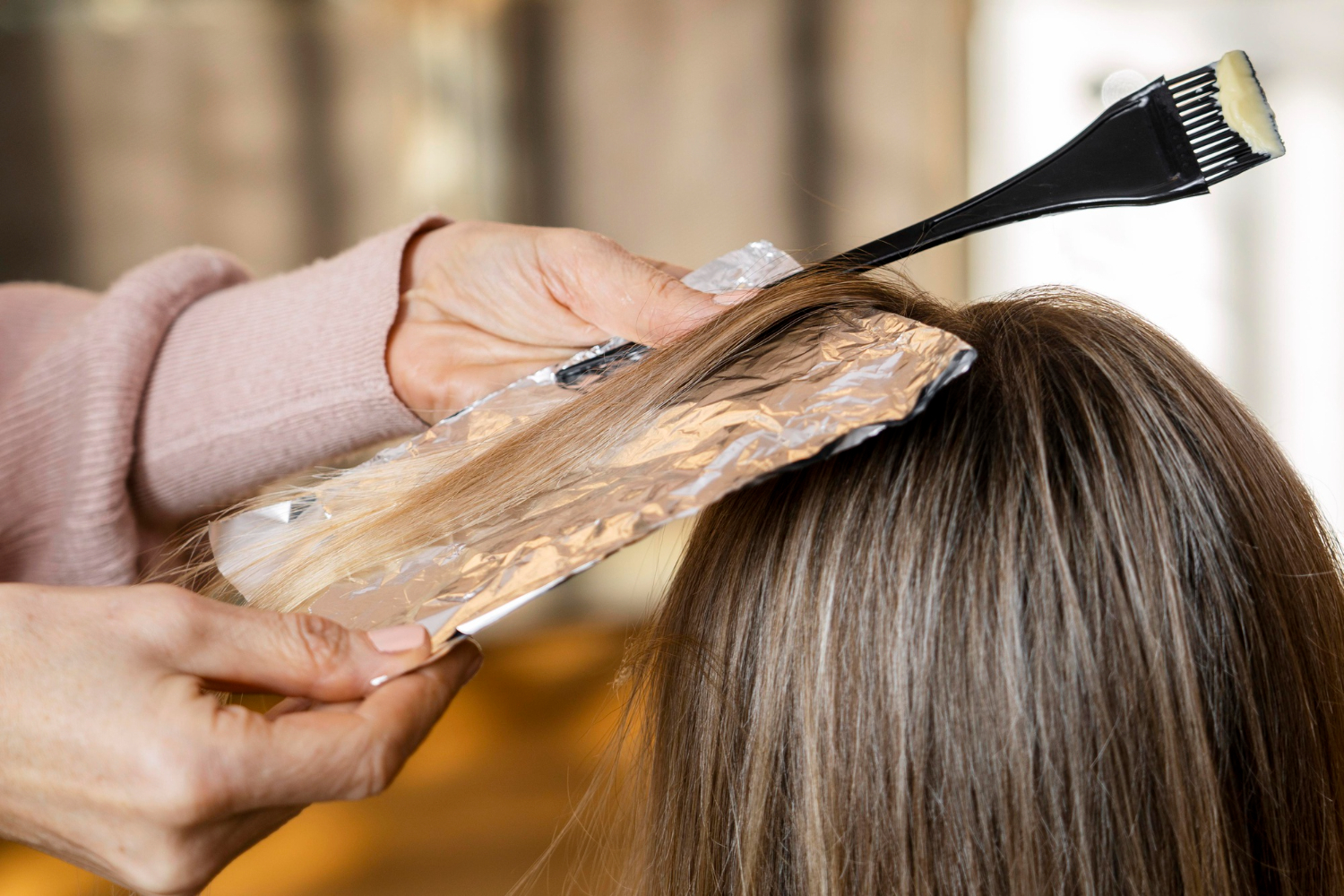
If you’re doing it yourself, here’s a straightforward way to dye your extensions at home without making a mess of it.
- Detangle first. Use a wide-tooth comb and work from the ends upward. Don’t rush this step
- Lay the extensions flat on a clean surface (a towel works fine).
- Mix your dye according to the product instructions and put on gloves.
- Apply the dye evenly from root to tip, making sure every strand is covered.
- Leave it for the recommended time. Don’t go over it, especially on extensions.
- Rinse thoroughly with cool water until the water runs clear.
- Air dry the extensions instead of using heat. Heat right after dyeing adds unnecessary stress to already-processed hair.
One thing to remember when dyeing human hair extensions at home: don’t rush. The dyeing process takes patience, and cutting corners usually shows in the result.
Match Your Hair Colour Properly
Getting the extensions to match your hair colour is the part people often underestimate. Your natural hair color is affected by things like sun exposure, previous colour treatments, and how your hair has grown out since your last appointment. Extensions dyed six months ago may not match where your hair is now.
This is why timing matters. If you’re planning to dye your hair at the same time as your extensions, do your natural hair first, then match the extensions to it. And if your roots have grown out significantly, you might want to sort those out before worrying about your extensions.
For tips on keeping your colour consistent over time , especially managing regrowth , How Often Should You Do Hair Root Touch-Ups is worth a read. Getting your timing right with root upkeep makes it a lot easier to keep extensions and natural hair looking like one cohesive look.
After You Dye: Take Care of the Hair
Colored hair ,whether it’s your own or extensions , needs extra moisture. Once you’ve dyed your extensions, deep condition them before you wear them. Use a good quality mask or conditioning treatment and let it sit for at least 15–20 minutes. This prevents damage from setting in and keeps the hair feeling soft.
When washing extensions going forward, use sulphate-free shampoo and conditioner made for coloured hair. Avoid hot water, which strips colour faster, and always air dry where possible rather than blasting them with heat.
It’s also a good idea to reduce how often you wash coloured extensions. The more you wash them, the faster the hair colour fades. And unlike your natural hair, extensions don’t regenerate moisture on their own.
When to See a Professional
Some colour jobs are just better left to someone who does this every day. If you’re going significantly lighter, working with a demi permanent formula for the first time, or trying to colour extensions that have already been chemically treated, see a professional hair colourist instead of experimenting at home.
A professional can assess the current state of your extensions, choose the right product, and help you avoid a result that’s hard to fix. For those after a highlights look with extensions, check out Top Hair Foil Colour Ideas & Colour Tips. It’s a good overview of what’s possible when you combine foil techniques with the right hair extension setup.
Dyeing hair extensions at home is doable, but knowing when to hand it over to an expert saves a lot of heartache, and money, in the long run.
In Conclusion: Get It Right the First Time
If you want your extensions to look natural, last longer, and actually match your hair, book a colour consultation with our expert hair stylists.Get guidance if you need a full colour, a toner, or just some honest advice before you pick up a box of dye.